The flock scratching in the hay for delectable treats.
Trees display a variety of colors, store shelves brim with the excitement of trick-or-treating, and the weather cools as the days grow shorter. This signifies that a change from Mother Nature is on the horizon.
Halloween isn’t just for humans; the flock can also partake in fall and Halloween festivities. In this article, I will explore various autumn activities that both families and their feathered friends can enjoy together.
Pumpkin Carving Contest:
My chickens love pumpkins! Every fall, when pumpkins are discounted after Halloween, I buy several for my flock to enjoy. As they peck at the pumpkins to reach the delicious seeds inside, they carve the pumpkin. I provide each of my coops with a pumpkin, turning it into a fun pumpkin carving contest.
Every flock has its unique approach to pumpkin carving. Pumpkins carved by chickens make for a charming autumnal adornment in the backyard.
Note: To assist the flock in beginning to craft their pumpkin, create small holes to stimulate pecking, which will allow them to access the seeds inside.Contrary to popular belief, pumpkin seeds are not natural dewormers. If you suspect a worm infestation in your flock, proper management is required. For information and instructions on treating worms, please refer to my post for the correct worming dosage and techniqueor consult a veterinarian.
Mealworm Hay Hunt:
Lestat leads the flock in hunting for mealworms in the hay.
During the fall, when wet, muddy, or snow-covered ground is common, I create a barrier for my flock by scattering several bales of hay around the coops. To encourage activity on the dull days of late fall, I scatter mealworms on the hay.
The flock will spend hours engaged in the stimulating activity of finding mealworms in the hay. Mealworms are excellent for chickens because they provide a good source of protein, which helps with feather regrowth during the fall molt and boosts body energy for warmth on cool nights.
Note: If the hay becomes moldy, it should be promptly removed and replaced with fresh hay. Since moldy hay can cause illness in chickens, it’s important to monitor the quality of the hay, especially during damp conditions.I spread the moldy hay over my garden to decompose, which will serve as fertilizer for next season’s growth.
Haunted Coop:
Silhouettes of the Coop De Ville crew are illuminated by the red LED light inside the coop.
As daylight begins to recede, I place a light in the pen to give the flock extra time to get something to eat and drink before roosting. Additionally, the added light helps assists in egg production and evening chores as the coop is illuminated during long dark night of late fall and winter.
Red lights are ideal for this purpose because the red spectrum is not bright enough to disrupt sleep, yet it provides sufficient light to tend to the flock after dark. Additionally, red lights can give off an ominous glow reminiscent of a haunted house.
Note: LED lights are best because they remain cool to the touch unlike incandescent bulbs, are cost-effective, and have a long lifespan.Also, ensure that all cords are out of reach for the flock.
Sandbox Scratch Hunt:
The Kuntry Klucker Crew busily scratching in the sandbox, searching for the seeds I had sprinkled onto the sand.
During the cold days of winter when the ground is frozen or covered with snow, a sandbox placed in the pen provides the flock with a medium to engage in dust bathing and scratching keeping feathers and nails in top condition.
To promote this instinctive behavior, I sprinkle scratch grains over the sand, prompting the flock to eagerly forage through the sand for the grains.
Throughout the years, this ritual has grown to be a favorite among the flock. I spread scratch before roosting, providing a stimulating snack to fuel their internal furnace during the chilly nights of fall and winter.
Note: The ideal medium for a sandbox is play sand. To encourage dust bathing, you may add peat moss and natural wood ash. Avoid using materials that are harmful to chickens, such as cedar shavings, ash from barbecues, or mulchwhich can contain weed killer, dyes, and other harmful chemicals.
Flock Block Halloween Treat:
The flock enjoying a flock block on a cold winter day.
During cold, snowy days, I prepare a flock block for the girls who are confined due to inclement winter weather.
Flock blocks serve as both a distraction and a productive activity, offering additional nutrition through a stimulating activity that is essential for the flock to endure the harshest winter conditions.
A flock that is actively engaged during winter storms experiences less boredom, which can lead to destructive interactions and potential injuries. Introducing treats like raisins, mealworms, and sunflower seeds can pique their interest, as they will enthusiastically peck at the block to reach these tasty morsels.
Note: Store any leftover flock block in rodent-proof containers overnight to avoid attracting rodents to the coop. After two days, replace the flock block with a fresh one to prevent the flock from consuming mold.
Halloween and autumn festivities aren’t just for humans—include your backyard flock in this year’s fall plans by decorating your coop and pen with inspiration from your hens.
A flock oversees an autumn arrangement adorned with pumpkins, chrysanthemums, and a scarecrow.
I am a multi-disciplinary writer, published author, and web content creator. If you like this post, visit some of my other sites or Online Writing Portfolio.
The Kuntry Klucker Crew hunting for delectables on a freshly cut summer lawn
The first signs of changing seasons are clear as the buzz of cicadas fills the auto backdrop, a sign that late summer descends upon the northern hemisphere. Many backyard chicken keepers notice their flocks look disheveled as molt begins the slow transition of shedding feathers in preparation for the coming fall and winter seasons.
In late summer, many novice backyard chicken keepers are horrified to see feathers covering the coop and pen floor. While the scene resembles an attack from a nocturnal predator, feather loss is natural and affects all birds, including chickens. Molt is the biological process of feather replacement and occurs yearly in backyard flocks.
In this article, I will discuss what molt is, why it’s important, and what backyard chicken keepers can do to support their flocks during the molting process.
What Is Molt?
Fi (Silver Lace Polish Hen) sporting her stunning crest feathers after molt.
Molt is the process by which birds shed their old feather and replace them with new ones. Molt can vary by species, year, and by individuals. Molt is considered complete when the bird replaces all if its feathers. Molting typically progresses from the head to the tail over the course of several months. Some birds can lose more feathers at once appearing naked while others lose few to no feathers.
Molting is as old as the linage of birds which began in the Mesozoic when dinosaurs roamed the earth. Birds are dinosaurs, specifically, birds are an advanced group called paravians, a clade of dinosaurs that is directly related to the mighty Tyrannosaurus Rex and the ferocious Velociraptor(Brusatte, 2018).
The signature feature of birds – feathers – evolved in their ground-dwelling theropod ancestors first noticed in Sinosauropteryx, the first dinosaur taxon outside parades to be found with evidence of proto-feathers.
The earliest feathers looked much different than the quill feathers of today. Initially, feathers evolved as multipurpose tools for display, insulation, protection for brooding, and sexual dimorphism. These early feathers were more like a fluff – appearing more like fur than feathers – consisting of thousands of hair-like filaments. Silkie chickens possess feathers that lack barbs that form the classic shape we associate with feathers. The first proto-feathers in dinosaurs were much like the texture of feathers on the Silkie. The breed name “Silkie” is derived from this unique feather texture.
Silkie flock grazing on a lush spring lawn. Silkies lack the barbs in their feathers that resemble protofeathers of their Mesozoic ancestors.
As the body plan for feathered dinosaurs continued to fine-tune the use of feathers, flight happened by accident. More advanced paravians had achieved the magical combination to achieve flight – large wings and smaller bodies (Brusatte, 2018). As the body plan of birds continued to refine, they lost their long tails and teeth, reduced to one ovary, and hollowed out their bones more to lighten their weight. By the end of the Cretaceous, birds flew over the heads of Tyrannosaurus Rex and other land-dwelling dinosaurs.
Sixty-six million years ago, the birds and T-rex witnessed the Chicxulub impact that brought the Mesozoic to a close. While therapods with large and expensive body plans died out, birds sailed through to the Cenozoic. The surviving non-avian dinosaurs carried with them the body plan seen in birds today, including the yearly process of molting.
Image Credit:Noelle K. Moser.Me peering through the fenestrae of Tyrannosaurus Rex specimen MOR555
Why is Molting Important?
The Kuntry Klucker Crew sifting through freshly spread hay for mealworms, a treat during the yearly molt.
Feathers, like skin or hair in humans, are replaced by the body regularly. Unlike humans who constantly shed skin cells, birds shed feathers annually.
Molting prepares a bird’s body for winter by replacing old feathers with new ones. During molt, backyard chickens will grow in the winter down needed for warmth. It is important for chicken keepers not to interfere with the molting process by placing chicken sweaters or other unnecessary items on the bird. While molting chickens can look naked and cold their bodies are built for this process.
How Can Backyard Chicken Keepers Help the Molting Flock?
Image Credit:Noelle K. Moser. Smog and Link (Silver Lace Wyandotte and Silver Lace Polish respectively) sporting stunning lacing feathers after molt.
During molt, birds will need increased protein in their diet to support feather regrowth. Providing mealworms is a great way to add affordable, healthy protein.
As pin feathers emerge, keepers must prevent irritating these new feathers. Pin feathers contain a fresh blood supply and are very sensitive to the touch. If new pin feathers are touched too roughly, they can bleed, causing pain and distress to the bird.
While molting, I do not hold my birds unless necessary and avoid touching the pin feathers if possible. Once the feathers fully develop it is safe to hold and interact with the flock again.
During the molting process, hens will decrease or cease laying altogether. During this time, the hen’s body uses all available energy to support feather regrowth. Once molting is complete, egg production will increase, and the flock will resume activity. After molting, the flock with new feathers will look stunning with fresh plumage and renewed vigor.
While lengthy at times, molting is a natural process for all birds and necessary for survival and life outdoors.
I am a multi-disciplinary writer, blogger, and web content creator. If you like this post, please visit some of my other blogs or online writing portfolio.
Image Credit:Noelle K. Moser.Me with the gargantuan relative of birds MOR555 Tyrannosaurus Rex, “Walter”. National Museum of Natural History. Washington, D.C.
If you have any questions, please reach out. You can catch me at kuntryklucker@gmail.com or visit my YouTube Channel.
As always, thanks for reading. Till next time, keep on crowing!
Resources:
Brusatte, Steve. The Rise and Fall of the Dinosaurs: A New History of Their Lost World. William Morrow An Imprint of Harper Collins Publishers. New York, NY. 2018. (pgs. 282)
Miss Sweet Pea (Buff Orpington Hen) surrounded by a halo of light from the morning sun.
While cold weather issues often take precedence in the minds of backyard chicken keepers, heat-related illnesses are usually more deadly to backyard flocks. Unlike cold weather bringing snow and ice, hot weather is more dangerous than cold and wet weather combined. Dehydration and heat stroke can decimate a flock in minutes if proper precautions are not taken to avoid these issues.
In this post, I will discuss how soaring summer temperatures affect chicken physiology and how to avoid, treat, and prevent heat-related illnesses.
Image Credit: Noelle K. Moser. Me observing the North American Solar Eclipse.Image Credit: Noelle K. Moser. Diamond Ring Eclipse taken with my Celestron Refracting Telescope. April 8, 2024. Cincinnati, Ohio.
Chicken Physiology, Body Plan, and Dehydration:
Image Credit: Noelle K. Moser. Aphrodite and Lady Me (White Crested Polish hen and Black Silkie hen, respectively) caught sampling freshly potted petunias.
Related to the mighty Tyrannosaurus Rex, chickens are theropods and can trace their lineage back to the common ancestor of dinosaurs. (Brusatte, 2018).
All birds – chickens included – are dinosaurs. Specifically, birds are a type of theropod rooted in the dinosaur family tree that contains the same ferocious meat-eaters as T-Rex and Velociraptor (Brusatte, 2018).
Birds perch within an advanced group of dinosaurs called paravians – a subgroup of a theropod that traded in the brute body plan of their gargantuan ancestors for larger brains, sharpened acute senses, and smaller, lighter bodies that permitted progressive lifestyles above their land-dwelling relatives. Anatomically, chickens have many common characteristics that define the body plan of these magnificent creatures.
Image Credit: Noelle K. Moser. Tyrannosaurus Rex. Perot Natural History Museum. Dallas, Texas.
Chickens and all birds have a unique body plan visible in the skeleton. Comparing the skeleton of Tyrannosaurus Rex with modern chickens yields similar anatomical attributes. T-Rex has a skull attached to a spine, ribs, and two legs with splayed toes, providing swift bipedal locomotion. Focusing on the appendicular skeleton, we see that T-Rex and modern chickens have an S-shaped skeleton. The reason is that body plans do not have unlimited parts from which evolution can choose but rather build upon earlier ancestral shapes (Horner, 2009).
Image Credit: Noelle K. Moser. Profile of skeletal body plan of Tyrannosaurus Rex which survives in birds and chickens today. National Natural History Museum. Washington, D.C.
While it’s easy to say that these features are of birds, they are not attributes of birds at all but of dinosaurs.
Image Credit: Noelle K. Moser. Saurischian dinosaurs – Alamosaurus and Tyrannosaurus Rex – locked in the battle of predator and prey. Perot Natural History Museum. Dallas, Texas.
Like the nightly T-Rex, chickens are related to saurischians – the line of the dinosaur family tree that contains both the giant sauropods and theropods – possessed skeletal pneumaticity – spaces for air in their bones.
Skeletal pneumaticity produces hollow bones that lighten the skeleton, allowing for a wide range of motion. Without pneumaticity, sauropods would be unable to lift their long necks, and giant theropods would lack the agility and ability to run because their skeletons would be far too heavy.
In birds, air sacks are an ultra-efficient lung oxygen system. This flow-through inhalation and exhalation provide the high-energy birds need during flight. Evolving one hundred million years before birds took flight, this is the true secret to their ability to take to the skies.
While pneumaticity is an incredible anatomical adaption inherited from their ferocious ancestors, it also makes birds vulnerable to dehydration. In warm weather, this ultra-efficient lung oxygen system requires access to water for optimal performance. In backyard chickens, readily available water is crucial to prevent dehydration. In extreme heat, chickens can dehydrate fast, causing compromised health and death.
Image Credit: Noelle K. Moser. Me looking through the fenestrae (Pneumaticity in T-Rex anatomy to make the skull lighter) of MOR 555 – Tyrannosaurus Rex. Natural History Museum. Cincinnati, Ohio.
Preventing dehydration in backyard chickens is crucial in hot weather. Water needs to be accessible at all times and if free-ranging in multiple locations. In my backyard, I have multiple waterers suspended from red Shepard hooks.
Image Credit:Noelle K. Moser. My flock free ranging in the backyard with multiplewatering locations visible for easy access.
When free ranging a backyard flock, it is necessary to keep water in easy reach from several locations. If the only water source is at a distance chickens can dehydrate before they can access water.
Image Credit:Noelle K. Moser. Mickey Smith (Black Silkie Rooster) drinking from one of the many watering stations placed throughout the backyard.
Electrolytes:
Rooster Booster Vitamins and Electrolytes available at farm and feed stores.Save-A-Chick electrolytes available at farm and feed stores.
Like Gatorade for humans, electrolytes are necessary for optimal flock health in hot weather. When temperatures soar, I add electrolytes to my flock’s water daily. Following package instructions for administration, electrolytes for poultry will aid in supporting the chicken’s body providing proper hydration.
Shade:
The Kuntry Klucker Pen shaded from the harsh sun by a tarp that protects the roof of the pen.A trio of Polish hens perching on a macrame hammock swing under the shade of the grape arbor.
Whether in the coop/pen or free-ranging, shade is key for optimal flock health in hot weather. In allowing the flock to free range in a backyard, plant pushes or trees that provide shade from the hot afternoon sun. If the free ranging area is too small, simple canopy tents are a great alternative.
Image Credit: Noelle K. Moser.The Kuntry Klucker crew seeking shade under a large tree in the corner of the free ranging yard.
In my backyard, I have multiple areas providing shade for the flock. I also post watering stations near these locations to help the flock stay hydrated while they rest in the shade.
Provide Chicken A/C:
Another trick of the trade is to provide your flock chicken A/C. During the hottest part of the day, use a hose to saturate a favorite shaded spot for the flock. The water will cool the ground and the chickens will rest on the cool ground acting as A/C that will help the flock stay cool. If your property allows, placing a misting host on the ground will also provide this cooling effect. The chickens will come and go out of the mist as needed depending on individual comfort levels.
Image Credit:Noelle K. Moser.The Coop De Ville crew taking advantage the freshly moistened ground in a shaded spot on a hot summer day.
Treating Heat Illness in Backyard Flocks:
The signs of heat illness in chickens are much the same in humans. Lifelessness, exhaustion, lack of appetite, pale comb, dry mouth, passing out, and death.
If you notice any of the above symptoms in a flock member, immediate action is required. The first measure is to take the heat-affected individual to water. Many times, the heat-stressed bird needs quick access to water. If the individual is strong enough to drink, this will quickly rectify the situation. Keep the ill individual near the watering source in a pen or shaded location to recover.
Image Credit: Noelle K. Moser. Me using a syringe to orally administer wormer to a black Cochin bantam hen.
If the heat illness is more severe, direct administration may be necessary. Using a syringe with the needle removed, provide water mixed with electrolytes directly to the affected flock member. When given orally, the patient will drink the water, providing relief.
Note of caution: do NOT force the water down their throat; chickens have a passage in the back of their mouth that leads directly to the lungs. Instead, slowly administer the water and allow the bird to drink the water.
I have a video on my YouTube Channel demonstrating the correct oral administration using Wormer. While this video focuses on worming a backyard flock, the oral methodology is the same. The skills here can be extrapolated and transferred to heat-related illnesses in backyard chickens.
If possible, isolate the heat-stressed member to a cool shaded place such as a laundry room, mud room, or shaded location in the pen, and over several hours, administer water in small doses to help the member recover from the heat-related illness.
Most chickens treated for heat stress in this manner make a full recovery and no ill health is observed.
I hope this post has helped treat a heat-stressed backyard flock. Like cold weather challenges, hot weather has associated risks that need to be addressed to have a happy and healthy backyard flock. If you have any questions feel free to reach out, by leaving a comment or dropping me an email at kuntryklucker@gmail.com
Image Credit: Noelle K. Moser. Daspletosaurus Torous (Jurassic ancestor of Tyrannosaurus Rex), cast of Tyrannosaurus Rex (MOR 555 skull) and I. Cincinnati Natural History Museum. Cincinnati, Ohio.
I am a multi-disciplinary writer, blogger, and online content creator. If you like this post, please visit my online writing portfolio or other sites.
As always, thanks for reading. Till next time, keep on crowing!
~ The Kuntry Klucker Crew ~
Resources:
Brusatte, Steve. The Rise and Fall of the Dinosaurs: A History of Their Lost World. William Marrow of Harper Collins Publishers. New York, NY. 2018. Pts. 270.
Horner, Jack. How to Build a Dinosaur. Plume, Published by Penguin Group. London, England. 2009. Pts. 8,9.
Summer has surrendered to fall, leaves wrestle in the wind, fall, then scatter on the ground. The gardens have been harvested, tilled under and prepared for the coming seasons rest. The girls are finishing their yearly molt, roosting increasingly earlier each evening. All this signifies the coming of winter, along with all its challenges for the backyard chicken keeper.
Many new backyard chicken keepers find themselves intimitated and overwhelmed wondering how to overwinter their flock. I know because I have been there. Over the years, I have learned a trick or two on how to keep your girls happy, healthy, and comfortable as outside temperatures plummet and winter weather rages.
The secret to successfully overwintering your flock is to keep it simple, enhancing your flocks naturally ability to weather the elements. Many new backyard chicken owners make the mistake of judging their flocks comfort by their own. This is the first and essentially the riskiest mistake that a flock owner can make. This is true for several reasons.
Chickens come factory installed with a down coat, the same coat that we put on when the mercury dips below a certain point. Many owners often forget that their ladies and gents are already bundled up for winter. Increasing the temperature in the coop hinders their health and can even cause death. Reasons are these.
Heating the coop: Additional heat to the coop or pen hinders the flocks ability to naturally adjust to falling temps. In the presence of a heated coop, your ladies will fail to grow in the down coat necessary for winter temperatures. This becomes problematic in events such as a winter storm knocking out power for hours or even days. The flock has acclimated to a warmer living environment, when this heat source is abruptly removed, shock and death can result. Like us, if resources to keep warm are removed, inability to adequately adapt to the cold environment may result in one falling prey to the harsh conditions . In the same situation we put on warmer cloths, huddle under blankets, sit by a fire, or drink and eat warm substances. All these necessities are not available to the backyard flock who suddenly finds themselves freezing due to depedence on a heat source. This is the first and the most serious mistake that a backyard chicken keeper can make. It is best to let them adjust to the cooler temps gradually, growing in their thick and heavy down coat as nature intended.
Heat lamps: The second mistake that new backyard chicken owners can make is the use of the humble heat lamp. Heat lamps = coop fires!!! I cannot recount how many times I saw on social media or heard about coops destroyed due to heat lamps. Heat lamps are very dangerous for a variety of reason, when used as a winter heat source, they can be deadly. Heat lamps, (sometimes called brooder lamps), consist of a large 500 watt red bulb that is used to create a warm environment to raise chicks. While heat lamps are a danger even when used as a brooder heat source, they are even more dangerous when used around adult birds in an enclosed space. Why? There is no way to safely mount a 500 watt heat lamp in an enclosed space where the occupants can fly, accidentally knocking them down. With a coop full of pine shavings, dry straw, dust and feathers, this is perfect kindling and prime to start a fast, furious and complete coop fire. If you take anything away from this post please, please do not use heat/brooder lamps to heat your coop. They will in most cases cause a devastating disaster. There are much better natural ways to assist your girls in overwintering the cold months. Below I will share with you safe methods that I employ to keep my flock happy, healthy, entertained and content during the long winter season.
But first, let’s answer a simple question. What does a backyard flock need in order to weather the worst of Old Man Winter? The needs of backyard chickens in winter are very few. All they really need is a clean and dry place to call home. They do the rest. It is the job of a keeper to provide the necessary accommodations in order to meet their basic needs. Chickens are well adapted to live outside, all they need is a little help to weather the bitter winds and elements.
How is this achieved? The main thing I do to overwinter my flock is enclosing their pen with construction grade plastic sheeting. The purposes are tripple fold.
Wind Break: The plastic acts as a wind break. As the bitter winter winds blow, the plastic surrounding the pen blocks the wind, allowing the girls to retain their body heat. Chickens are more than capable of generating their own body heat. Using their feathers and down coats, they can regulate heat their bodies produce, thereby keeping warm in the winter. The cold winter winds disrupt this thermal regulation by lifting up their feathers, exposing their skin to the bitter winter winds, loosing the warmth they worked so hard to maintain. A simple wind barrier helps them immensely. If allowed access to free range on a cold day, they will come and go from the protected pen as needed depending on their individual needs. If it’s a cold day, they will stay in the wind free environment of the pen. If it’s warmer, they may spend more time outdoors hunting and pecking. Allowing them access to the outdoors while providing a wind free place to retreat, will keep them happy and content as they weather Old Man Winter.
Precipitation Barrier: The plastic keep the elements out of the pen, providing a dry place to call home. We are all familiar with the mystery that the cold winter rains can elitist. The same can be said for the snow and ice. Chickens prefer to avoid these elements if they can. However, since they live outside, their options may be few. This is another benified of enclosing the pen with plastic sheeting. As the elements rage outside, the girls are protected from the snow, rain, sleet, and ice that pleague the winter season. This simple barrier from the elements creates a dry and wind free place for your flock to call home. Simply keeping the elements out of the pen helps them immensely as they weather the worst of Old Man Winter. If protected from the wind and precipitation, the cold temperatures are not an issue for the flock.
Clean and Dry Digs: Providing clean and dry digs for your flock is essential. Along with providing a wind and precipitation break, a clean coop and pen goes a long way. The flock will undoubtedly spend more time in the protection of the coop/pen during winter. It’s a keepers job to see that their digs remain clean and dry. This is simply done by making sure the coop and pen are cleaned and maintained on a daily basis. This is necessary to keep moisture down their living areas. We all know that chicken poo can be wet and sticky. Due to the moisture content of their poo, this creates the ideal situation for frost bite. When too much moisture is presnent in the coop, frost bite will settle on the combs and wattles of your roosters and larger combed ladies. Removing the poo daily from both the coop and pen prevents these conditions. Frost bite is no fun, it hurts and can be dangerous if not properly treated. As they say, an ounce of prevention is better than a cure.
By simply enclosing your coop/pen in construction grade plastic, you provided a condusive habitat for your flock to weather Old Man Winter. Below are some pictures of my coops and pens that have been prepared for the coming bitter season.
As the bitter weather rages, the girls will be safe and warm in their pens. Below are some pictures of the ladies braving the elements in their winter digs.
Along with enclosing the coops and pens in plastic, providing your flock with some entertainment will go a long way. During the coldest days, your flock will undoubtedly spend more time in their pen. If this occurs for consecutive days, they may begin to suffer from coop boredom. Just like us, if we spend a lot of time in a tight enclosure, we get a little restless and bored. Chickens are no different, it left too long in these conditions, they will begin to peck at each other, creating injury and a hostile flock environment. To prevent this, provide games to play and things to peck. Below are a few things that I do for my flock, keeping them happy and healthy.
Flock Block: A flock block is a very simple entertainment tool I often use during the harshest part of winter. Additionally, due to the fact that they are unable to forage for grains and seeds, a flock block provides these nutrients. Flock blocks are large blocks that consists of seeds and other goodies compacted in a hard square shaped formation. The chickens will spend hours happily pecking at the block, keeping them entertained for days on end. One block will last my flock for an entire winter. They are found at most feed stores, usually under $20. It is also possible to make your own. At the end of this post, I will leave a recipe that I use when I want something a little more tailor made for my girls.
2. Peck the Bottle: This is a little chicken game that keeps my girls busy for hours. Additionally, it is very entertainment to watch them peck at the bottle. The supplies needed for this game are very simple. An empty plastic water bottle add some scratch or cracked corn. Take the bottle and poke some small holes large enough for the corn or scratch to fall through. Inside the bottle, fill the bottle half full of the treat. Place the bottle in the pen.
The flock will peck at the bottle, trying to free the corn or scratch contained inside. One by one, the flock will each peck at the bottle, moving it around the pen in efforts to consume the treat. This will keep a flock busy for days. If you have a larger flock, place a few more bottles in the pen. If you want to step up their game, fill the bottle with dry meal worms. Your flock will go crazy, working extra hard to get the worms out of the bottle.
3. Cabbage in a basket: If you want to add some greens to your chickens winter diet, veggies in a basket or suit feeder is a great choice. With grass and other delectables long since dormant for the season, greens are in short supply. To supplement your ladies diet with green veggies, this winter time trick is ideal. Simply take a suit feeder, open it, and place the veggies inside. Hang the feeder in the coop and let the games begin. Your ladies will go crazy for some fresh greens. Since it is cold outside, the greens will stay fresh for a while. Once the suit cage is empty, refill and play again. You can also put a head of cabbage in a metal hanging basket, placing it in the pen or yard for you girls to pick at. They will enjoy the fresh greens, all the while staying healthy and entertained.
4. Sand Box Spa: As winter sets in, the ground becomes covered, saturated with snow or rain, the girls will find it hard to keep up their beauty regiments. Simply placing a sand box in the pen and filling it with sand goes a long way. If your pen is too small for fit a sand box, pour the sand directly on the pen floor. Not only does this provide them a place to dust bath, it is also provides them a great way to scratch around.
Chickens love to scratch at the ground as they hunt and peck for delectable to dine on. In winter however, this past time is hindered due to the ground conditions caused by winter. To keep them further entertained, sprinkle some scratch or mealworms on top of the sand and watch the fun begin. They will spend hours digging in the sandbox, making sure that they have found and consumed every last morsel. This will quickly become a flock activity that they love and relish during the cold miserable days of winter.
Finally, I come to my last tip for winter care for your flock, water. Many keepers underestimate the need for clean and fresh water during the winter months. While they will drink more water in the summer to stay hydrated and cool, water is necessary for them to regulate their body temperature. During the cold months while a flock is working hard to regulate their body temperature, water is essential. For their little bodies to keep their furnaces stoked, access to liquid water is necessary. One of the major hinderances to this process is the cold temps causing the water to freeze. To combat this, I use several methods.
The haul it method: For those who do not have a large flock, simply hauling fresh unfrozen water to the backyard several times a day is ideal. If your flock is small and someone is at home during the day, this is the simplest and cheapest method to combat freezing waterers. Since it requires no electricity or expensive accessories, this method is best if applicable.
Heated waterer: If your flock is larger and no one is home to see to the water needs of the flock, a heated waterer is ideal. Although these waterers are a little bit on the pricy side, they are a life saver. You can find electric heated waterer at most feed stores. They range from $40 to $60 and long lasting. I am still using the one I purchased 5 years ago and its still going strong.
3. Light bulb in a metal tin: The last method that I use is the light bulb in a metal tin. Like the heated poultry drinker, this method requires electricity supplied to your coop. If you have several coops, purchasing a heated poultry drinker for each one can get expensive. I use the purchased heated drinker for my largest coop, the rest I use this simpler method.
Simply take a metal tin (cookie or other round tin), drill a hole just large enough for a cord, string the cord through the hole in the tin, purchase a light bulb and a socket cord (used for restiringing lamps) and simply screw the light bulb into the socket that is connected to the tin. Put the tin lid on, place the plastic or metal drinker on top and presto, you have a heated poultry drinker.
The radiant heat from the bulb will keep the water from freezing. Since all you need to keep the water warm enough to remain liquid a 15 or 25 watt bulb is best. You don’t want to heat the water too high, making it too warm for the flock drink. The goal here is to keep the water from freezing. This low watt bulb will supply just enough heat to keep the water in a liquid, drinkable state. If you don’t have any metal tins around suitable for this purpose, a terra cotta flower put turned upside down will also do the trick.
That’s a wrap. Above are all the techniques, tools and tricks of the trade I use to keep my flock happy, healthy, and content during the harsh winter months. As promised, below I will leave the recipe that I use to make a homemade suit treat for my girls. The ingredients used in this flock treat are typically found in every kitchen and cheap to purchase if needed.
The Kuntry Klucker Crew’s Favorite Flock Block
2 cups scratch grains
1 cup layer feed
1 cup old-fashioned oats
1 1/2 cup of raisins (for added fun)
1/4 cup whole wheat flower
1 teaspoon ground cinnamon (aids in respiratory health)
1/2 teaspoon cayenne pepper (helps circulation)
3 whole eggs (provides calcuim , shells included, crushed to fine pieces)
1/2 cup blackstrap molasses
1/2 coconut oil, liquified
preheat oven to 325 degrees. In a large mixing bowl, mix the dry ingredients. Add the wet ingredients and mix well. Pat into several small baking dishes, so your blocks are approximately 2″ thick (this way they can fit into suit feeders).
If you plan to hang the flock block treat in your chicken pen, use a chopstick to make a hole large enough for twine or rope to fit though.
Bake for 30 minus, then cool completely. If you try to remove them from the pan while still warm they will fall apart. Once cool, run a knife around the inside rim of each pan and invert to remove the block. Serve to a flock of very happy girls.
Leftovers can be refrigerated or wrapped in foil and frozen then defrosted as needed.
Enjoy!!
I hope you have enjoyed reading this post and found it helpful or useful. If you have any questions please post them in the comments.
As always, thanks for reading. Till next time, keep on crowing!
When acquiring a backyard chicken flock, most people opt for a flock of ladies. But for those who want a rooster or two, but are apprehensive as to which breads are best, this post is for you.
My flock total clocks in at around 50-60 birds (according to chicken math), 30-40 or so hens, and 13 roosters. Half of the gents’ free range with the girls, the rest reside in a bachelor pen. A bachelor pen is a coop/pen assigned to house just roosters. There are no hens in a bachelor pen. Contrary to the prevailing opinion, roosters can and do cohabitate well together. However, there are some tricks to successfully house roosters together. To see how I use and manage a bachelor pen, click here.
The “coop-hood”.
I have three large coops that house my girls,and within each of these dwellings, I have two roosters. These gents care for and protect the ladies while they are free ranging. That means, on any given day, I have 6 roosters in the yard with the ladies.
The Coop De Ville (bachleor pen for roosters)
The roosters of yesteryear, which star in our nightmares, were often played by the game cock, according to today’s breeding standards. The rooster we met on our grandparents’ farm was very aggressive and for good reason. Our grandparents kept chicken to supply the family with eggs and meat, a defensive rooster was needed. However, many things have changed since our grandparent’s day.
Deaky, Fi, and Freddie (Laced Polish Hens) perching on a hammock swing under the grape arbor.
The backyard chicken hobby has exploded, with chickens replacing the family dog in terms of popularity. Backyard chickens are quickly becoming the go-to for a backyard homestead. In the wake of COVID-19, everyone wants more control over their food supply. Backyard chickens have never been more popular than they are right now. Correspondingly, the breeding industry has responded. Hatcheries and breeders are selective breeding for behavioral/temperament traits such as calm, friendly, docile, and low-key. Most breeds today meet the needs of the backyard chicken hobby keeper. Gone is the bloodthirsty aggressive rooster that roamed our grandparent’s farm, meet the roosters of today.
Using my 13 roosters, I will provide a breed profile overview. I will highlight behavioral and temperment traits associated with common breeds developed for the backyard chicken keeper.
Buff Orpington:
Roy (Buff Orpington Rooster) My Rooster Teacher
The first breed that I will present for consideration, is the Buff Orpington. Orpingtons as a breed are known as the “Golden Retrievers” of the chicken world. Their demeanor is calm, friendly, and low-key. They are big balls of feathers, looking bigger than they are. My very first rooster was a Buff Orpington named Roy. Roy exhibited many of these behavioral traits; he was a gentle giant. In my presence, he was very calm and relaxed. He would beg me for treats that he could give to his ladies. He was in one word a gentleman. He was never aggressive towards me and took excellent care of the ladies.
Roy (Buff Orpington Rooster)
One day I witnessed his heroic efforts to save my girls from a hawk. Prepared to lay down his life, he sounded the alarm. The ladies ran for cover, while he battled the hawk. Although injured, with love and care, he made a full recovery. I learned the true value of a rooster from this experience. After that event, Roy lived on for several more years as a decorated war hero. He sadly passed away 5 years ago. I never thought I would miss a rooster so much; he was my rooster teacher. He taught me a lot about chickens and the sacrificial nature of a rooster. Ever since Roy, I have fallen in love with roosters. Today, they are one of my favorite creatures, worthy of respect and admiration.
Cochin:
Enigma (Mottled Cochin Rooster Bantam)Enigma and the “Golden Girls” (Buff Orpington hens)
The next gent to introduce you to is Enigma. Enigma is a Mottled Cochin Bantam. Like the Orpingtons, Cochins are also big balls of feathers. The cochin is a very docile and friendly breed. The girls make excellent mothers, and the gents make excellent roosters. No bigger than he is, Enigma has established himself as the alpha rooster of the chicken yard, all the other guys answer to him. He is a very sweet rooster and takes very good care of his girls. He is calm around humans and will even allow me to pick him up for his health inspections without much issue. He too will beg me for treats that he can offer to his girls. He allows the girls to eat first, then if there is anything left, he will partake. When free-ranging, he will often follow me hoping that I can give him a morsel to take to his favorite lady. Out of all my boys, Enigma is my favorite.
Polish:
Lestat (White Crested Polish Rooster)Pollux (White Crested Polish Bantam Rooster) greeting the day from the Coop De VilleLink (Silver Lace Polish Rooster)
These next guys with the fabulous 80s hair are Polishes. Polishes are my favorite breed, I have more of them than any other breed on my farm. The Polishes are known as the “comedians” of the chicken world. As a breed, they are very curious but high-strung. Due to their fabulous crests, their vision is limited thus everything spooks them. Simple even mundane objects in their environment will startle them. Due to their limited vision, they cannot see what is above them. For this reason, a keeper needs to ensure that they have a covered run. If free-ranging, provide them with ample coverage as protection from aerial predators.
I only allow my polish flocks out when I am in the backyard or have multiple roosters on duty. Polish gents make great roosters for a keeper who does not mind their antics. They are very easy to pick up and hold, due to their limited vision. They are a bit high-strung making them an entertaining breed to own.
All my polish roosters are very sweet, however, curious. Due to the feathered crests, they are a bit jumpy. I talk to them before I pick them up to not give them a jolt. Characteristically, they do not make the best roosters for protection. I have ample coverage in my backyard as a hedge of protection for my polish boys.
Silver Lace Polish Flock. Fi, Agatha, and Link. (Link is our Silver Lace Polish rooster).
They are very curious, often following their curiosities into predicaments, then not able to see well enough to get themselves out. They are an endless form of entertainment in the backyard. The roosters are a bit high-strung, panicky, and flighty, yet very sweet. I have several Polish roosters, all are very friendly, approachable, and curious. The ladies will often perch on my legs or arms, making them great lap chickens.
Silkie:
Devros and Micky Smither (Silkie Roosters)Silkie Flock grazing on a greshly mowed lawn.
Silkies are known as the “Teddy Bears” of the chicken world. Due to their feathers that are “fur-like”, they are the cuddle bunnies of the flock. Silkies as a breed are known the world over for being very docile, friendly, and calm. They have voted time and time again as the best breed to have around kids.
I currently have a flock of 14 Silkies, 4 are roosters. Two roosters are in the coop with the ladies, the rest are in a bachelor pen. My Silkie gents are well-behaved, shy, and timid. The ladies are very friendly and enjoy interactions with their caretakers. I have no trouble with my Silkie roosters. Like the Polish, it’s best to keep Silkies in the protection of a covered coop and pen unless you are outside with them. Due to their overwhelmingly shy nature, they would rather run from a predator than protect the ladies like most roosters. When I hold my silkie roosters, they are very docile and calm in my arms. They would rather hide under a rock but are very easygoing if I need to handle them.
Easter Eggers:
Dracula (Easter Egger Rooster)Dracula and Frankenstein (Easter Egger Roosters)
Next, Dracula and Frankenstein. These two guys are Easter Eggers and although not known as an exceptionally docile breed, these two boys are well-behaved. They are very curious and want in on whatever I am doing. Due to their breed, they are a bit larger than my other roosters. Despite their size, they are very calm and friendly. They do not like to be held, so I only pick them up when needed.
Silver Lace Wyandotte:
Smoug (Silver Lace Wyandotte Rooster)
My final breed to highlight is Silver Lace Wyandottes. Wyandottes are a large breed, and Smaug is the largest member of my flock. He easily towers over the other roosters in my flock. At 12 pounds, he is a big boy. Despite his size, he is very calm, friendly, and easygoing. He is best described as the gentle giant of my flock. Due to his very relaxed nature, he is at the bottom of the rooster pecking order. I can easily pick him up and hold him when needed for health inspections. He prefers not to be held but will tolerate check-ups when needed.
While there are many more breeds available, the breeds listed I keep and can expound on associated temperament and disposition. Most roosters bred today for the backyard keeper are well-behaved. Don’t get me wrong, a rooster has a job to do, and he takes it seriously, but most are calm and friendly. I currently have 13 roosters; all are very well-behaved gents. They take good care of the ladies and are not aggressive to humans by any means. They are often my welcoming committee when I enter the backyard, curious about what treats I may have brought them.
I hope that this post has been helpful for those thinking about acquiring roosters for their flock. It is very possible to have your cake and eat it too when it comes to keeping roosters. Selecting gents from breeds that are well-known for being calm and docile is an excellent place to start. If you have any questions, please feel to leave a comment. You can also drop me a line at kuntryklucker@gmail.com
I am a published author, multi-disciplinary writer, and blog contributor. If you like my work, please visit some of my other sites.
Roosters, you either love them or hate them, there is no in-between. What to do with the male chicken? In some city areas, the choice is pretty clear, roosters are banned. But for those who live in the country, we have a few more options than our city-dwelling counterparts.
I am on the lover side of the rooster debate. I marvel at them as a creature and value them as an asset for my large free-ranging flock. What are the best ways to manage roosters in your flock? In this post, I will list my top three rooster management techniques.
1. Establish a bachelor pen:
Coop De Ville Bachelor penWhite Crested Polish Bachelor Pen
After this past spring chick pick-up at local feed stores, I ended up with 7 roosters. This is the most that I have ever had in one season. I already had 6 roosters in my established flock, bringing my total rooster count to 13! But I did not freak out, why you may ask. I had a plan – A bachelor pen. Picking chicks out of the straight-run bin has its associated risks. 😊
You may be surprised to know that roosters when living together, can and do exist peacefully. Most people associate roosters with fighting when near one another. This is true if and only if hens are present. Roosters will fight to establish dominance in the presence of hens. The coveted position is that of the alpha rooster 🐓, or top dog. However, if there are no hens present, there is not much to fight over. Roosters in a bachelor pen will still maintain a pecking order but fighting will not be an issue. No hens to fight over, no problem.
I have 13 roosters, 7 free-range with the hens, as for the rest, the bachelor life it is. The 6 residents in the Coop De Ville (bachelor pen) can see the hens, but they have no contact with the girls. Because there is no contact with the hens, there is no fighting for position. I plan to leave them in the bachelor pen. If I need an individual to perform a task such as breeding or protection, I can select from the bachelor pool.
My flock free ranging. Picutred in this image are 5 out of 7 roosters that free range with my hens daily.
Having a few roosters on standby is an asset. If you free-range your flock, it is possible to lose a few roosters. A good rooster will often give his life for the flock. They are biologically wired with this protective behavior. It is for this reason that many keepers who free-range their flocks will have multiple roosters on guard. For example, I free-range my flock daily. Daily, I have 7 to 8 roosters in the yard with the girls. To date, I have never lost a rooster to a predator. I have had to nurse a few back from the brink due to injuries from an aerial attack by a raptor, but that is the extent.
2. Re-home extra roosters:
Roy (Buff Orpington Rooster). Roy was my first rooster. He taught me that roosters are amazing sentient creatures worthy of our admiration and respect.
In the past when I only had one coop, I re-homed roosters that I could not keep. This is what it sounds like, finding a new home for your surplus roosters. In my experience, it’s easy to find a new home for your extra roosters. However, when doing this, you have to understand that the new owner may see him as dinner or a fighting contender rather than a pet.
I was not aware of this when I first re-homed some of my boys. If you list your rooster online, it is possible that he will be used for illegal cock fighting. So, it’s best to take care to find a good owner for your extra boys. If you know a friend who has a large farm, they may take him for protecting their flock. Or if you know someone who is looking to breed, this is also a good re-homing choice. If you live in an area of the country where keeping chickens is very common, it’s easy to find a home for your boys. If you are a city dweller, this may be harder to come by. You may be forced to cull him or call your state veterinarian for the best option given your area.
Another option is to connect with other chicken keepers. Join a poultry club if your area has one. The backyard chicken-keeping movement is exploding all over the country. In response, many poultry clubs are popping up in every corner of the United States. A simple google search or Facebook group search will yield plenty of options. Many of these clubs offer trading/swapping/rehoming services. By connecting with other keepers in your area, you will be able to easily find a good home for your extra boys.
3. Sell them.
🐓 Roosters-(Link, Smaug, Pantaphobia, Sec, and Supreme) keeping an eye on the activity in the backyard.
On my farm, I raise rare breeds. I have the standard Orpingtons, Easter Eggers, and Australorps that you find in most feed stores. I also have other breeds that can only be purchased from specialized hatcheries. For the rare breed boys I end up with, I find that I can sell them to others who want to breed. It is these circumstances that allow me to sell one or more of my surplus boys. The same goes for my White Crested Polish, Silver Lace Polishes, Silver Lace Wyandotte, and Buff Laced Polish roosters. They can at times go for as much as $100, especially if I throw in a few hens to seed a good starting flock.
Buying from specialized hatcheries is expensive, additionally, you have to order a mandatory minimum and then pay to ship. For those who want to expand their flock themselves, this saves a lot of money. So really, it’s a win-win-win situation. They win, I win, and the roosters win by going to a good home.
You may have noticed that none of my techniques include killing my roosters. Those are viable choices as well, for me though, I love roosters and choose to allow them to live out their natural lives. For those who can process extra roosters, a freezer camp is an option. Many people use this method to manage rooster populations in their flocks. I have nothing against this, however, since I don’t butcher my boys, I cannot speak by experience on this matter. There are many videos on YouTube on how to successfully butcher and process a rooster. For those who need tutorials, this is a great resource.
I hope that you found this post helpful. If you have any questions that I did not cover, please leave them in the comments. You can also drop me a line at kuntryklucker@gmail.com.
I am a published author, multi-disciplinary writer, and blog contributor. If you like this blog, please visit some of my other sites.
Old man winter has finally made his appearance, temperatures fall, snow covers the ground, a perfect storm for mites and lice to plague a backyard flock.
It’s no coincidence that mites and lice thrive in these conditions. During winter and early spring, mites and lice become a problem area for many backyard chicken keepers. Your once beautiful flock now has messy feathers, pale combs, and dirty bottoms. What is a keeper to do?
First, do not fear mites and lice, they are a natural part of a backyard chickens’ life and a badge of honor. If your chickens have mites and lice, it is proof that they are living the good life. Chickens that have access to the outdoors, grass, sunshine, and fresh air will most likely come down with a case of mites and lice at some point in their lives.
Mites and lice live in the environment. Typically contracted from wild birds, they can also be contracted through small mammals like mice, rats, moles, or rabbits. There is no way to avoid mites/lice in your flock, a control method is the best treatment.
When I first started keeping chickens 11 years ago, I feared the dreaded mite and lice season. I was afraid that I would catch the mites from my birds or that I would not know how to handle the situation.
First, let me put one fear to rest. The mites and lice that plague birds are not the same mites and lice that plague humans. The mites/lice that affect birds are species specific. They cannot thrive on our bodies for several reasons.
1. We do not have feathers.
Mites and lice that affect birds need feathers to sustain their lifecycle. Our daily routines of bathing, washing our cloths and hair make it impossible for these mites to exist on our bodies for long. If your birds have a severe mite/lice outbreak the little beasties may crawl on you giving you a case of the Heebie Jeeves, but I assure you, a simple change of clothes and a shower will render them gone. They are a mind over matter situation.
2. We do not provide them with the necessary resources to carry on their lifecycle.
Avian mites/lice need a specific environment to sustain their life cycle. Denied their breeding environment (i.e., feathers), avian mites/lice cannot survive on our bodies, thus you will not be affected by them. To my knowledge, Northern Fowl Mites (the most common mite that affects chickens) are not zoonotic (carries pathogens, from one species to another). Meaning that humans cannot acquire any diseases from the mites/lice that affect our flocks. We just get a case of the creepy crawlies, that’s about it.
Mites and lice usually reside near the vent area on chickens except crested breeds. Mites and Lice can also be found on the heads of crested breeds in addition to the vent area.
How do identify Mites/Lice on your birds.
Mites and lice prefer these areas for several reasons.
1. It is warm with ample blood supply
2. The birds are unable to preen these areas, thus the mites and lice can accomplish their life cycles uninterrupted.
On birds, mites will look like small little red, black, or brown spots that are moving on the skin. If your bird has a severe case of mites, it may just look like a mass of dark dirt covering their skin. These are Northern Fowl Mites, the most common mite that affects chickens. Left untreated, an army of these little beasties can kill a bird through blood loss (their food) which will cause anemia in the birds. Thus, if not addressed, death.
Lice
Lice on birds are usually found in the same place as the mites. The vent areas and head of crested breeds.
Unlike mites, lice will exist only on the feathers. A cluster of lice eggs will look like a mass of debris that is congrated at the quill of the feather as it meets the skin.
Like the mites, a keeper will be able to see the adult lice crawl on the feathers. Lice are usually sand to light brown color depending on the species.
Both mites/lice will cause a bird to look lethargic, have a pale comb, and a dirty bottom. Lice will add the additional signature of unkept feathers that appear broken, ratty, or disheveled. Both mites and lice will weaken a bird making them more susceptible to illness and in worst cases, death.
How to handle mites/lice in chickens:
There are several ways to approach mites/lice in a backyard chicken flock. Several products are available that address these situations in your birds. I will detail several that I have used in the past along with my methods of application. Disclaimer, these are strategies that I use that have proven successful for me. Please note that I am not a veterinary scientist just a fellow backyard keeper that has been around the block a time or two.
The go-to in my mite/lice arsenal is Elector PSP. This product is in liquid form that is diluted in a spray bottle and sprayed directly on the birds. Due to legislation in some areas, it can be hard to obtain and carries an MSRP of $150 or so if you can find it. Unfortunately, it is usually not carried in most farm/feed stores. I have ordered it in the past from Amazon but as of late they no longer carry it. Due to many of the supply chain disruptions caused by COVID-19, I have been unable to replace the supply that I bought nearly 7 years ago. Hopefully, it will become available soon.
Elector PSP pro.— The pro of Elector PSP is that it kills on contact and brings the mite/lice situation to an abrupt end. It does need to be reapplied 10-14 days after the first application to kill any eggs that hatch. No egg withdrawal is required when using this product. In addition to spraying, it directly on the birds, I will also spray the inside of the coops and nesting boxes to rid the environment of the little beasties. I have had very good results with Elector PSP.
Electro Cons.—The con of Elector PSP is price and availability.
My second go-to in my mite/lice arsenal is Eprinex. As with Electors PCP, this product is in liquid form and is applied directly to the skin. However, unlike Elector, Eprinex has an egg withdrawal of 14 days after each application. Eprinex is applied in the same manner as flea and tick treatment for cats and dogs. Apply Eprinex directly to the skin behind the head of your birds. I will also apply a drop on top of the head for my crested breeds, such as the Polish and Silkie. These breeds often experience mites/lice on top of their heads due to their inability to preen this area. In 14 days, reapply to address any mites that hatched after the first application.
Eprinex application directions
Using a syringe with the needle removed, apply 3/4 cc for standard-size breeds, for bantam breeds, apply 1/2 cc directly to the skin behind the neck. Although designed for cattle, Eprinex is safe for use on chickens in small amounts.
Eprinex works by absorbing into the oil of the skin. When the mites and lice bite the birds, they encounter the Eprinex and are killed. After the first application, reapply in 14 days. Egg withdrawal should be observed for 14 days after application. This means that from start to finish, mandatory egg withdrawal should be observed for 28-30 days.
Eprinex is available at most farm/feed stores and carries an MSRP of around $50. The only con with Eprinex is a mandatory egg withdrawal. I have a large flock, so I will apply Eprinex to one breed at a time, reducing the effects of egg withdrawal. I have used Eprinex for many years with great success.
Permethrin-10
As with Elector PSP, when treating your flock for mites you will also need to treat the coops. When using Eprinex, I will mix a solution of Permethrin 10 livestock spray and spray my coops and nesting boxes. This combined with Eprinex will bring the mite/lice situation to an abrupt halt.
Additional methods.
During the winter months, I will supply my flocks with a sandbox containing a mixture of sand and peat moss. My girls will readily use this for dustbathing while the ground is snow-covered or wet. This allows them to maintain their natural behaviors that aid in mite and lice prevention.
As you can see, mites, while a very common occurrence in backyard flocks is very easy to address and treat. While they can be a pain to deal with, remember that your girls are living the good life if they come down with a case of the little beastie. Your girls have access to fresh air, sunshine, grass, and nature, something that many chickens are denied.
I hope this post help put the dreaded mites and lice season in their perspective place. They are nothing to fear and are very easily treated with multiple products available.
To watch a video on treating chickens for mites and lice chick here.
I am a published author, multi-disciplinary writer, and blog contributor. If you enjoyed this blog, please visit some of my other sites.
Enigma (Mottled Cochin Rooster watching over the girls as they dig for delectables in the freshly spread hay.
Roosters are amazing creatures. However, they unfortunately fall prey to a negative stereotype. In reality, roosters are not as aggressive as many think. The rooster of yesteryear that haunted our dreams often encountered on our grandparents’ farm, was related to game cocks by todays breeding standards. Yes, those breeds can be high strung and aggressive. However, due to the variety of breeds available, the majority of rooster today are very docile and calm. Gone are the days of your grandparent’s flock which contained the rooster that starred in your childhood nightmares. Many people today keep chickens for fun, eggs or as a hobby. Thus, the breeds available today are suited to these purposes. That being said, below I will detail my argument for why keeping a rooster or two is an asset for a backyard flock.
Enigma (Mottled Cochin Rooster) and The Kuntry Klucker Crew
Protector of the Flock:
Roosters are often unfairly stigmatized as being fearsome, blood thirsty, mean and nasty aggressive birds. While they do have a job to do and take it very seriously, they really are amazing and gentile creatures. When out free ranging, a rooster will keep watch for any dangers that could impact the flock and sound the alarm when needed. If there is more than one rooster in the flock, they will take turns keeping an eye to the sky. Each taking up part of the watch, as the rest of the flock scour the grass for any available bugs, worms, or greens to dine on. If a threat appears, one or several of the roosters will sound the alarm. Alerting the hens to the impending danger, and if needed sacrificing himself for the safety of his girls. I have witnessed this firsthand with my first rooster, a Buff Orpington named Roy.
One afternoon while out in the backyard he sounded the alarm. I heard his cry from the house, rushed out to the backyard in time to see a large hawk fly away. Standing alone in the center of the yard, he was prepared to sacrifice himself for the safety of the girls. All the girls were safe under a large tree, Roy on the other hand was injured. Had I not heard his cry and come to his rescue, it pains me to think what would have happened to him. Luckily, he recovered from the hawk inflicted injuries and lived for several more years as a decorated war hero. It was on this day that I learned the true value of a rooster. You can read his story here.
2. Tend to nutritional needs of the hens:
Silkie Roosters: Devros and Micky Smith, watching over their hens as they eat the bugs that they found for the girls.
In addition to protectors of the flock, a rooster will hunt for his girls. He will actively look for food, things such as a big bug, juicy worm, or vegetation for them to eat. Once he finds something of value, he will call the girls over to eat it. He will stand watch as the girls partake of his hard work. He will only eat what is left, he is self-sacrificing, looking out for the nutrition of his hens. It is by evolutionary design that he knows the girls need the extra nutrition for the procreation of the flock (laying eggs). If not much turns up on his hunt, he will lead the girls to the feeder in the coop when he feels that it is time for them to eat. Again, he will eat after the girls have had their fill, looking out for their needs first.
3. Breaking up any squabbles in the ranks:
White Crested Polish Rooster, Lestat leading his girls to the backyard shed for some scratch before roosting time.
Chickens are very highly socially organized creatures, contrary to what many people think. A flock of chickens are organized into a hierarchy, each member knowing his or her place. The term “pecking order” is derived from this complex social system and for good reason. At the top of the pecking order is typically the alpha rooster, under him will be the subjugated roosters in the flock. The roosters determine who is the alpha by competing for this position.
In the social hierarchy after the roosters will be the alpha hen. This is the hen that has earned her right to be at the top of the order, directly under the roosters. The alpha hen is usually a little bossy in regard to the other hens in the flock. As for the rest of the members, position is established by literally “pecking” one another on the back, indicating the “pecker” is above the “peckie”. This behavior flows from the alpha hen all the way to the bottom of the order. Each flock member pecking another on the back, indicating their position in the order.
Once the order is established, all activities within the flock revolve around the order. Simple activities such as the order in which the flock exits the coop in the morning, and the order in which they return. As long as all individuals stick to the order as established, all is peaceful in the flock. However, at times one or more members will challenge another member for a change in status.
In cases such as these, a confrontation generally ensues. It is in times such as these that a rooster will step in, inspect and cease any unrest amongst the hens. Not only are fights disruptive to flock dynamics, at times injuries can be sustained. It is the job of the rooster to see to it that peace is instilled within the ranks. A rooster will also act as a protector of any members that are unfairly picked on. If there is a hen that is smaller than the rest or at the bottom of the pecking order, he will see to it that she is not picked on insensately.
4. Procreation of the flock:
White Crested Polish Bantam Roosters: Caster and Pollux leading their girls to a shade tree in the corner of the yard for a mid afternoon nap.
In addition to protection, finding food, and keeping order in the ranks, a rooster will service the flock through the act of mating. A rooster will mate with the hens in order to pass on his genes to the subsequent generations of chicks.
There is a common misconception that hens will not lay eggs unless a rooster is present in the flock, this is obviously false. A hen will lay eggs regardless of whether a rooster is present or not. The eggs laid in the absence of a rooster will of course not be fertile, but there will be eggs, nonetheless.
If you want to grow your flock, a rooster is a must. However, if you cannot have a rooster due to city ordinances or other zoning restrictions, you will still receive farm fresh eggs from your hens without any issues.
Dracula and Frankenstien (Easter Egger Roosters) keeping an eye on their girls as they search for bugs in the dewy grass.
If there is more than one rooster in the flock, the boys will divide the hens amongst them. When free ranging they will then divide the roaming area into jurisdictions. Each rooster will know the boundary lines and which hens belong on which rooster team. It is possible to keep more than one rooster in a flock, providing the flock is large enough to sustain multiple roosters. To learn how I keep more that I rooster in my flock click here.
Roosters will have “favorite” hens, these are hens that he prefers to mate with the most. Different attributes make a particular hen a favorite. Hens that are easily submissive to his approaches, hens that the rooster deems as most fertile, or hens that are larger and lay larger eggs will most likely make the favorites list. These hens run the risk of sustaining the most injuries during mating. For these reasons, it is the owner’s responsibility to provide provisions to make this process easier on the hens. For example, an easy protective measure to incorporate in a flock is that of a hen saddle.
Miss Sweet Pea (Buff Orpington Hen) wearing a hens saddle to protect her wing and back feathers from the trending of the rooster. In addition to providing needed protection, hen saddles can serve as easy identification of the hens in a flock. Each has its own pattern or color, allowing hens to stand out amongst each other.The Kuntry Klucker Crew sporting the latest in Hen Fashions.
Hen Saddles provide protection from the trending of the rooster during mating. In addition to keeping your roosters’ nails trimmed, hen saddles help protect the wing and back feathers of hens that are mated often. They are very easy to make and require nothing more than thick fabric, a little elastic and basic sewing skills (needle and thread) a sewing machine is not required. Although simple in design, they provide much needed protection to your hens. In addition to the practicality, they can also serve as an easy form of identification. If you use different colors of fabric, hen saddles allow hens to stand out amongst each other.
Another method to protect against over mating is to separate a rooster from the hens for a period of time. During the molting period and particularly when the ladies are having a dreadfully tough molt, I will separate the roosters from the flock for a period of time. This allows the hens who are missing more feathers than usual to recover from the molt easier. By restricting the mating process till after their new feathers have grown in reduces further injury to the hens. While spending a little time away from the hens I will check the boys into a bachelor pen. To see how I incorporate bachelor pens in my flock click here.
5. Singing the song of his people.
Lestat (White Crested Polish Rooster) greeting the morning.
There is just something about a rooster’s crow that has an indiscernible purity to it. In the busy, rat-race-pace of our lives, we are often not still enough to appreciate the purity and stillness of a quiet morning, interrupted by a rooster’s song. Breaking the silence, the crow of a rooster is a sound of a by gone era. A sound from our past when the crow of a rooster was a part of the audio landscape. A time when farming was not just a hobby, but a way of life, your animals were how you survived. The crow of a rooster symbolizes a beginning, the start of another day. A time when working the land and plowing the fields was how one survived. Its a sound from the past, a past that has been lost to the progression of time.
Dracula (Easter Egger Rooster)
In the stillness of the early morning hours, I like to sit on the back porch, morning coffee in hand, and listen to my boys sing the song of their people. It’s a song of the ancients, a song that traces back to a time when their great ancestors roamed the earth. It’s a song that not only reminds us of their past but ours. A song that fills the air declaring a new day has begun. It’s a song that in our day and time rings with a purity that money cannot buy, but few will hear. It’s a song that reminds us of a simpler time. He reminds us that there is abundant wealth in simplicity. In our day and time, it’s a lesson that we all need.
Caster and Pollux (White Crested Polish Bantam Roosters) Watching over their girls as they peck at the freshly thawed ground.
A rooster is selfless, often sacrificing himself to save his friends. A fearless warrior with a big heart. A natural born singer of the ancient songs. A dancer, a true gentleman. The most beautiful and unwanted of all the creatures.
Roy (Buff Orpington Rooster) inspecting the new addition to the backyard. Frosty the Snowman.
Roosters are amazing creatures and worthy of our admiration and respect.
Roy the Rooster
It is my goal to present a fresh look at roosters. Gone are the days of the barnyard terrors of yesterday, meet the roosters of today. Roosters are amazing creatures, your partner in caring for your flock.
If you have any questions regarding roosters or keeping chickens, please leave a comment. You can also drop me a line at kuntryklucker@gmail.com.
I am a published author, multi-disciplinary writer and blog contributor. If you enjoy this blog, visit some of my other sitew.
When it comes to keeping backyard chickens, there are lots of decisions that a keeper needs to make. In addition to breeds, coops, whether or not to have a rooster, there is NPIP certification. In the post I will detail what NPIP Certification is and if it is something that you want to do for your flock.
What is NPIP Certification?
In short NPIP stands for National Poultry Improvement Plan. The NPIP is a voluntary program overseen by the United States of Agriculture (USDA) and managed by each state. The program monitors flocks and hatcheries for a variety of serious diseases that can devastate chicken populations, creating serious problems for the poultry industry or backyard chicken enthusiasts.
NPIP Certified hatcheries adhere to a set of established standards that ensure that the birds sold are free from diseases listed above. Testing involves taking blood samples from their flocks, swabs from their bird’s throats, adhering to sanitation and biosecurity procedures.
Hatcheries are required to test their flocks for the diseases, included in the certification set out by the USDA. Testing procedures can vary from state to state, most require testing for Avian Influenza (AI) and various forms of Salmonella. Typically, a cross selection of 300 birds will be tested. If a hatchery has less than 300 birds, than every single bird is then tested. Hatcheries must re-test annually to keep their certification up to date.
So what does this mean for the backyard flock owner?
As a perspective backyard chicken keeper looking to start or add to an existing flock, it is best to buy from a breeder that is NPIP Certified. Most hatcheries are certified, there are a few out there that are not. Some hatcheries will list on their webpage that they are NPIP Certified along with their certification number. If you do not see where they are NPIP certified just ask. Any hatchery that is NPIP certified will readily and freely prove to you that they are certified and will give your their NPIP certification number. If they are certified, you can be sure that you are buying from a reputable breeder or hatchery that holds animal husbandry to the highest standard.
As a backyard chicken keeper, if you plan on breeding, selling chicks or chickens it is a good idea to get your flock NPIP Certified. Not only are you ensured that your flock is healthy and selling healthy birds, but it offers you a hedge of protection should the birds you sold be reported sick. If there is an investigation into the origin of the birds sold, you will have a hedge of protection proving that your flock is NPIP Certified. That’s not to say that just because a source is NPIP Certified that birds cannot get sick. It will reveal in the event of an investigation that your flock is healthy and gets routine health inspections documented by your State Veterinarian.
It also gives you a peace of mind as well. For example, if there is an outbreak of AI in your area, a State Veterinarian will be dispatched to your home to test your birds for AI. Some feel that registering your flock and having them NPIP Certified relinquishes too much control to “Big Brother”. This is where the individual keeper’s preference comes into play. I personally have my flock NPIP Certified. Not only do I find it comforting that should AI be detected in my area, the USDA would be on it testing my birds. But if I sell any chicks or adult laying hens, I am confident that I am selling healthy birds and have the certification to back it up.
How does an owner certify their flock?
If you decide that NPIP certification is something that you want to do, getting them certified is very easy. Simply look up your State Veterinarian on the web or in the phone book and give them a call. Simply tell them that you are a backyard chicken keeper and that you want to have your flock NPIP certified.
At that time your information will be recorded, and you will get a call from a USDA agent in a few days to schedule a testing date. If you have a large flock, say 50 birds or more, plan on taking the day off work to have your flock certified. The agents will literally test every one of your birds individually.
They will take a small sample of blood and swab their throats. You as the keeper will be responsible for retrieving each bird, bringing them to the inspectors, and keeping track of who has been tested. Once tested each bird will be issued an ankle bracelet with a number on it, each number is specific to each bird and is logged into a computer. This number is their state ID. Should you need to call the State Veterinarian at a later date about a bird you will need to reference the number on their ankle bracelet.
This is another perk of having your flock NPIP Certified. If you have any questions about health or other illness related questions, you have someone to call. Many local Vets will not see “livestock” in their office. They may be able to answer some general questions but as for advising you in detail they may be limited. The State Veterinarian will know how to answer or direct your questions relating to your flock to qualified sources.
In my early days, I called my local State Vet several time to clarity issues or find treatment direction for basic illness. They were an amazing resource that I readily used. If you call with a suspicious illness such as symptoms of AI, an inspector will be dispatched to your property to test your birds. If you have suspicious deaths (you do not know the cause of death) they will conduct a necropsy or an animal autopsy on the deceased birds to determine what took the animals life. It will then be determined if this is something to be concerned about in relation to the rest of your flock. They are an immense source of information and guidance if you find yourself in a situation where you need expert advice or help.
How much does it cost to get your flock NPIP Certified?
The final aspect the of NPIP Certification that I will touch on is how much it costs. The cost depends on your state, each state will have different rates and procedures of how they go about conducting a NPIP certification. In my state of Tennessee, our State Vet charged $25 for an inspection and certification. It is in the best interest of the state that keepers certify their flocks, so they try to make it simple and affordable.
Each year or every other year depending on your state, your flock will be up for renewal. Each year the flock owner is required to pay the nominal fee to renew their NPIP Certificate. The fee in my case was rendered at time of service directly the inspectors after they tested all my birds. Several days after the inspection takes place, you will receive a card in the mail with your issued NPIP Participant #. This is for your records or anytime you need to prove your NPIP status. Below is an old card that I received for a NPIP Certification several year ago.
I have never regretted getting my flock NPIP Certified. Although I am not an active breeder, I find value in knowing that my flock is healthy. I also found the NPIP certification process valuable in learning how to conduct my own health inspections on my birds. The most important aspect that I value from the NPIP process is the network of contacts. There is a peace of mind knowing that I am only a phone call away from people who are knowledgeable, should I need to tap into that resource.
I hope that this post has helped answer some question relating to NPIP Certification. If you have any questions, please feel free to leave me a comment. You can also drop me a line at kuntryklucker@gmail.com.
I am a published author, multi-disciplinary writer and blog contributor. If you like this blog, please visit some of my other sites.
When considering the life expectancy of backyard chickens, several factors come into play. A good amount of these factors are dependent upon their specific breed, parent stock, method of hatch (hatchery vs broody momma) and how they were raise from chickhood. A backyard chicken keeper has control over some of these factors and no control over others.
Some breeds are just more delicate than others. For example, the Polish and Silkie in particular are a bit more susceptible to illness such as Wry Neck which can cause death if not treated quickly and effectively. You also have their sensitivity to winter weather, which can make them less harty in colder climates. However, with proper care and provisions, these breeds can live in colder climates without issue. I have a few members of these breeds, some going into their 5th winter. They do take a bit more care, but for the joy they bring, it’s worth it. To read my posts on care for these breeds, please click these links Polish or Silkies.
However, these factors aside, there are many things a keeper can do to extend the overall life expectancy of their flock. In this post, I will share with you practices I have implemented in caring for my girls. These methods have attributed to my oldest ladies celebrating 10 years of living the good life.
Here on the Kuntry Klucker Farm, my ladies are pets and treated well, even beyond their productive years. Even at 10 years of age, they still lay. They do not lay as dependably or as often as when they were younger. However, my senior ladies lay enough to let me know they are healthy and happy. Not all backyard chicken keepers allow their birds to remain on their farm past the point of productivity. Correspondingly, this blog post is specifically directed towards those who plan to allow their ladies to live out their natural lives long past their productive years. So, without further ado, allow me to share with you methods that I have implemented to ensure a long and happy life for my senior ladies.
I have raised chickens for about 10 years now. My first flock started with 17 Buff Orpington chicks. I had no idea when they arrived what joys were in store for me. I instantly fell in love with them. Thus began the greatest adventure of my life. Out of the original 17 chicks, 5 remain today. These are my oldest ladies, now at the ripe old age of 10. For a backyard chicken to reach 10 years of age, is a feat that defies the odds. Most backyard chickens, even raised as pets, rarely make it past the age of 7. Even at 7, this is still considered a good long pampered life. There are cases here and there of a pet chicken making it to 15 years and beyond. However amazing, these instances are rare, far and few in-between. Most backyard or pet chickens fall somewhere between 5-7 years as a general life expectancy. However, if they are well cared for, this expectancy can be extended by several years and beyond. I will list care taking techniques that have brought my ladies 10 happy years and hopefully many more to come.
Feed and Treats: All physical health begins with diet. For both human and animal, what you put in is what you get out. I have always been a consciouses eater; I do the same for my pets. My ladies are fed a complete poultry feed that accounts for all of their nutritional needs. I am not a poultry scientist; thus, I do not rely on my own knowledge to feed them a correct diet.
Laying hens have a lot of specialized nutritional needs that must be met in order to lay well and remain healthy. For this reason, I allow my girls to have treats very rarely. I do not want to dilute their nutritional needs by filling them up on treats. Many treats are not good for them. Many keepers like to feed their girls treats, but in reality, this is not in their best nutritional interest. I do however make one exception.
On occasion I will feed my girls dried mealworm. These little goodies contain nutrition that is essential for their health such as protein. During the summer months when they are free ranging, they will eat insects which are good sources of protein. During the winter months this source of protein is not available. Thus, I will supplement this natural part of their diet with dried mealworms. Additionally, I will use mealworms as boredom busters. During harsh winter weather, issues such as pecking can result when the flock is “cooped up” for too long. I make entertainment and games for my girls to distract them from picking at each other during these times. Outside of this, their diet consists of a poultry feed developed to meet all their specialized nutritional needs. As a general rule, I will only feed my girls Purina Premium Poultry Feed. I have tried other brands on occasion, but I find that when I feed them Purina, they are much healthier, their eggshells are stronger, and their feather quality is improved.
Fresh water, vitamins, probiotics and electrolytes: Every day my ladies get fresh water. Additionally, especially during hot and humid weather, I will add poultry vitamins and electrolytes to their water. Living in the south we get extremely hot summers with lots of humidity, making outdoor conditions nothing short of miserable. To assist my ladies in combating this weather, I make sure that they remain well hydrated. The vitamins given to them add an extra boost to keep them healthy in the heat. These vitamins also contain electrolytes, which further keep their bodies balanced during the heat. Several times a week I will add poultry probiotics to their water to keep their gut health in check.
The heat of summer is a great stressor on their little bodies. In fact, heat is more dangerous then wet and cold weather combined. If you have large standard size breeds with ample feathering such as the Orpington or Cochin, the heat is further compounded. I have over the years lost several girls to the heat but never to the cold or prolonged wet weather. Just like for us, high heat and humidity can be a swift and fast killer. To make these conditions easier on their bodies, I supplement their nutritional needs in their water.
During the hot summer months, they will drink more than eat from their feed. They will spend most their time grazing on the grass and eating other delectables they find, such as insects and worms. Since I have supplemented their water, I have not lost any more of my girls to the heat. This has no doubt aided my senior girls in their long and happy life. During the winter, I still add vitamins and probiotics to their water. I supplement their water as maintenance rather than essential survival of harsh summer weather conditions.
Poultry vitamins and electrolytes can be found at most farm/feed stores. At a MSRP of $7 to $10, they are an easy way to increase the health of your flock.
Clean and Dry Digs: Just like us, your girls also need a clean and dry place to call home. To underestimate the importance of a clean coop would be a detrimental condition for your girls. Although it is true that chickens are messy creatures, that does not mean that they can live in filthy unsanitary conditions. If allowed, disease and other illness will run rampant in a coop that is not cleaned and maintained.
A chicken coop needs to be cleaned on a daily basis. Every day, the poop from the overnight shift needs to be removed and disposed of. All my coops are cleaned daily, removing poop from the poop boards accumulated by the previous night. During the summer in order to keep the fly population down, I spray off the boards. In the pen, I remove poop and other debris, be it feathers, leaves or other objects from the previous day of activity.
Another reason to clean their coops daily, is their droppings say a lot about their health. As with all animals, fecal matter tells a story of what is happening inside the body. If you find blood or worms on the poop boards, a closer inspection may be warranted. Keeping a close eye on your ladies’ poo can help you catch health conditions before they become severe or grave.
In addition to maintaining the coop, you want to make sure that their digs remain dry. The coop should not leak, if it does some calking could go a long way. If you have a covered run, repair any leaks that may have developed over the past few months. You want your girls to have a clean dry place to call home. These regiments will go a long way for a healthy and happy flock. If you girls have a clean place to live, disease and other illness will have little opportunity to infect your flock. If you want your ladies to have a happy and long life it starts with a clean coop and pen. As they say, happy hens lay better eggs.
Protection from Predators: On the heels of a clean and dry coop, comes a secure coop. It is no surprise that chicken tastes good. Many predators feel the same way. It is the main objective for backyard chicken keepers to make sure that your girls are off the menu for predators. After all, this is the main reasons that we provide coops for our backyard ladies. These coops and pens need to be constructed with their safely in mind. Predation is easily the most significant factor affecting the life expectancy of backyard chickens. Even when the best is done to insure their safely, things can still happen. Not only is this a disastrous event for a keeper, it’s a very stressful situation for the flock. If a keeper elects to free range their flock, protection and safety becomes ever more important.
Although these dangers exist, I still chose to free range my flock during the day, weather permitting. One way I have insured their safely is a fenced in free ranging area. My backyard is enclosed with a 6ft privacy fence. Additionally, running the perimeter of the fence on the outside, is an electric fence to discourage any climbing or digging predators. This has reduced predators to the flying (hawks) and crawling (snakes) varieties. In the 10 years that I have kept chickens, I have never lost a member to predator attacks. I live in the country, so I have several roosters out with the girls, providing additional protection. My gents have detoured hawks and other arial predators. I have such an event documented. You can read the harrowing story of my Rooster Roy here and his tangle with a hawk which saved the life of my girls.
To insure a long natural life for your ladies, it is imperative that measures be taken to ensure their safety and protection from predators. The only predators that are virtually impossible to protect your flock against is that of a bear or mountain lion. Although extremely rare, some cases of bear attacks have been recorded. Bears are the extreme and probably something that most keepers will not encounter. Living in the foothills of the Smoky Mountains, reports of bears raiding chicken coops are not uncommon. I have to take extra measures to protect my ladies, such as building a secure fence around my property. Become familiar with the predators in your area, do your best to ensure the safety of your flock. Discourage predators from taking an active interest in your flock.
Routine Care for Internal and External Parasites: The final point that I will make is prevention of parasites (mites, lice and worms). Just like your dog or cat needs routine flea/tick treatment, so do your girls. Treatment for external and internal parasites is a very simple and a straightforward operation. Unlike your dog or cat, the assistance of a vet is not needed.
At some point in your adventure with keeping backyard chickens, they will get a case of mites or lice. Don’t worry though, you cannot become infected with poultry mites/lice, they are species specific (nonzoonotic) and only affect birds. Your girls can however get mites and lice from wild birds. You don’t need to keep your girls locked up in solitary, they can be out in the yard and enjoy their normal actives. Treating for mites and lice is very simple.
If you look on the internet there will be millions of methods presented to treat mite or lice infestations. I will say this though, the natural methods do not work well. DE or diatomaceous Earth is not effective on mites or lice. Not only it is one of the least effective treatments, but it is also very dangerous for you as well as your flocks’ lungs.
If you look at DE under a microscope, you will see very sharp and jagged edges. This serrated characteristic makes DE a respitorary irritant for both you and your flock alike. DE is only effective if the insects have constant contact with it. In order to use this treatment, your girls also need constant contact with it as well. This sets the stage for disastrous health complications for your flock.
Contrary to popular opinion, a keeper only needs to treat for mites and lice when the circumstance arises. This is because chickens are well adapted to manage mite/lice on their bodies through dustbathing. A good way to assist your flock in this instinctive practice is by providing a dust bathing medium (sand, peat moss, and regular dirt). The act of dust bathing smothers the little beasties and cleans their feathers all at the same time. However, if the condition arises and you notice little bugs crowing on your ladies, its time to bring out the big guns.
A heavy mite/lice load on a chicken can and will kill them. The little beasties suck blood to the point where they become anemic and weak. If not treated properly, death can result. To treat mites and lice I use a very simple yet effective product. It’s called Eprinex, developed for cattle, at low doses its very effective in treating mites and lice on chickens. Eprinex can be found at Tractor Supply and other feed stores in your area and carries a MSRP of about $50. However, since you use so little, it will last years.
To administer Eprinex, obtain a syringe (remove the needle) and apply the liquid directly to the skin at the base of the neck. In the same manner that an owner or vet would administer flea/tick treatment for a cat or dog. For a large or standard bird, apply 1/2 cc or ml and for a bantam bird, apply 1/4cc or ml. If you have birds with head crests, such as the Polish or Silkie, apply a drop or two on top of their head. These breeds are susceptible to mites/lice on the head due inability to preen this area. Reapply in 10 days. NOTE: an egg withdraw will be mandatory during treatment. This means that from start to finish, a 28–30-day egg withdrawal will need to be observed.
Its that simple!
Now for the internal parasites. At some point, you will run into a situation where your flock will need wormed. Chickens naturally have a worm load inside them. Usually, they manage well but at times such as times of stress, they can become overwhelmed. Typical signs of worms are weakness, weight loss, fatigue and in a worst-case scenario finding worms in their poop. Don’t freak out though, treating worms in your flock is very simple. As with the mites and lice there are many treatments out there. Again, I will reinforce the fact that natural methods of worming are not very effective. If your flock or several members have worms, you need to acquire an effective treatment and get rid of the little nasties. Worm left untreated will kill your birds.
Worms can kill a chicken very fast, faster than you would expect. Additionally, if they have a heavy worm load, you may even find worms in your eggs. My product of choice is Safeguard. Originally developed for goats, it is very effective at small doses for worming. I like this product because it is a broad-spectrum wormer. It will not only take care of round worms but it will also take care of tape, flat, gape, lung and other worms that chickens can get. Some other wormers are only effective on round worms. Although round worms are most common in chickens, they can pick up other worms in their environment. You can find Safeguard at Tractor Supply and other feed stores. It usually runs anywhere between $30-50 depending on location.
To use Safeguard to worm your girls you need to give this to them orally. The easiest way I have found to worm them it to put the wormer on a small piece of bread and feed a piece to every member of your flock. Once again, use a syringe with the needle removed. For a standard size bird, measure 1/2cc or ml on a piece of bread and feed to the bird. For a bantam size bird, measure 1/4cc or ml and feed to bird. Repeat this process in 10 days. The first dose kills all the live worms in their body, the second kills all the worms that hatched. After two worming sessions, you are done, and your girls are free of worms.
Like treatments for mites/lice, a mandatory egg withdrawal is necessary. When undergoing treatment, residue from the wormer and/or worms may pass into the eggs. An egg withdraw for 28-30 days will need to be observed. Safeguard is a very safe and effective treatment for worms in your flock. Just like the mites and lice, only worm when need. A Chicken’s body is able to handle a normal worm load. Once it crosses a threshold, worming will be needed. You will know when you need to worm your flock. Worms in droppings, weak, and sick hens are all signs that you need to take action.
Taking routine care of internal and external parasites will go a long way to extending the life of your ladies. If they are free from pests, their bodies are in a much healthier state. Over the course of 10 years, I have only needed to worm a handful of times. I usually have more of an issue with the mites and lice during the colder months of the year. Even in those situations, outbreaks are very easy to address and eradicate. Just like you extend the life of your cat or dog by keeping them flea and worm free, the same applies to your chickens. In doing so, you have much more time to love and enjoy their company.
I hope that you have found this post informative or helpful. If you have any questions, feel free to post them in the comments. You can also drop me a line at kuntryklucker@gmail.com
I am a published author, multi-disciplinary writer and blog contributor. If you liked this blog, please visit some of my other sites.


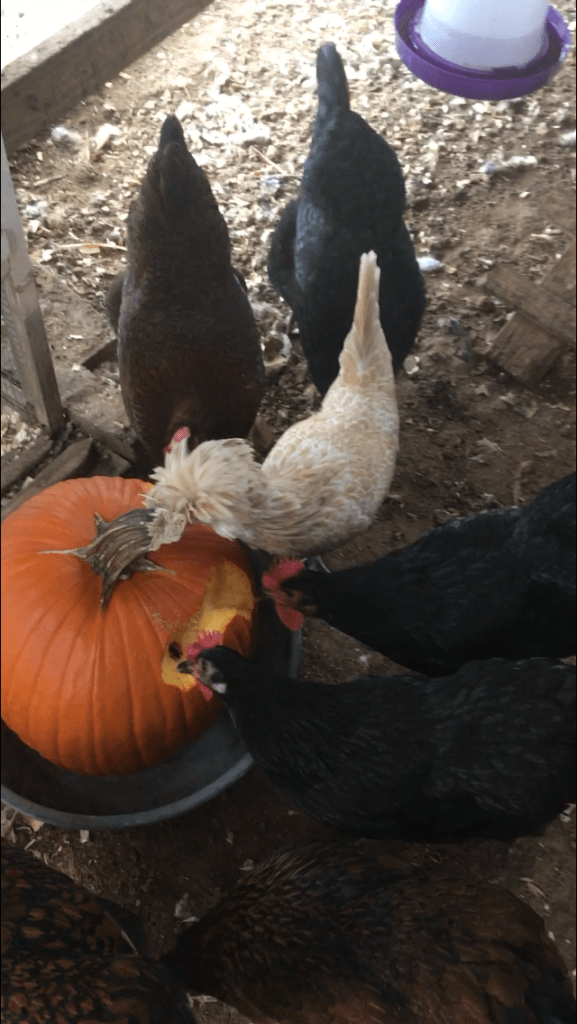


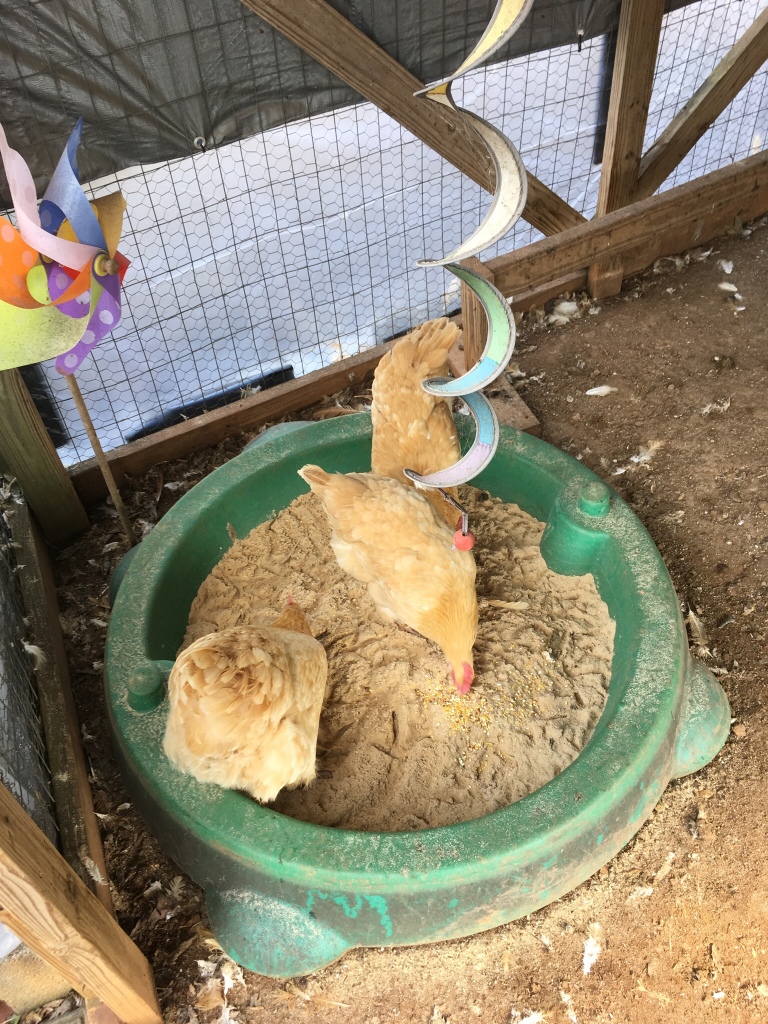

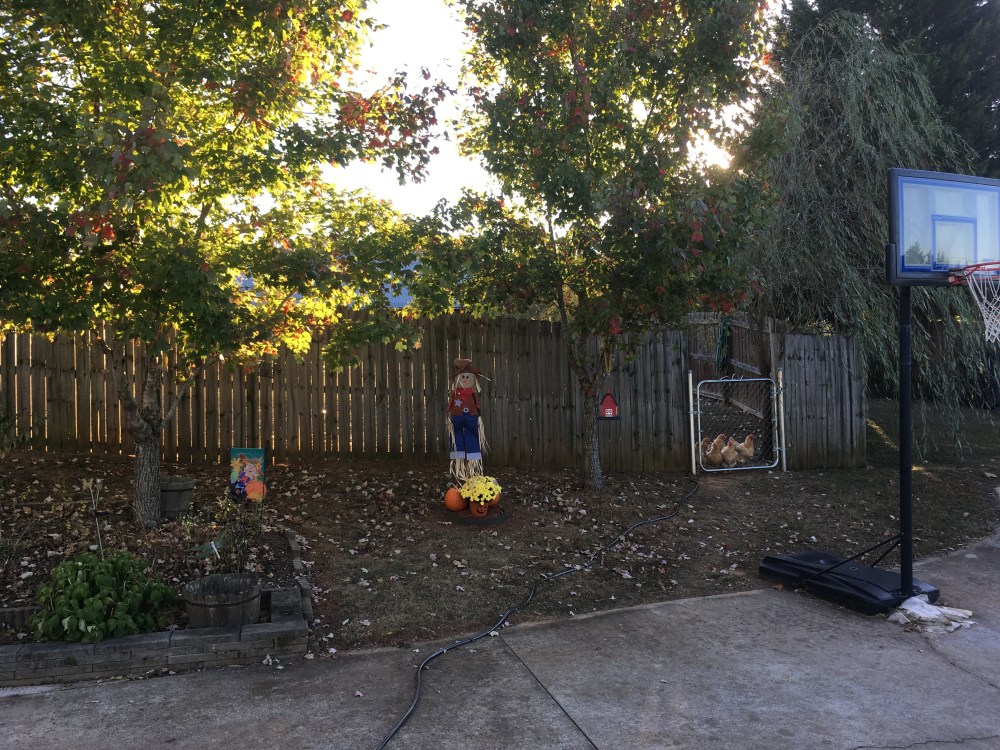


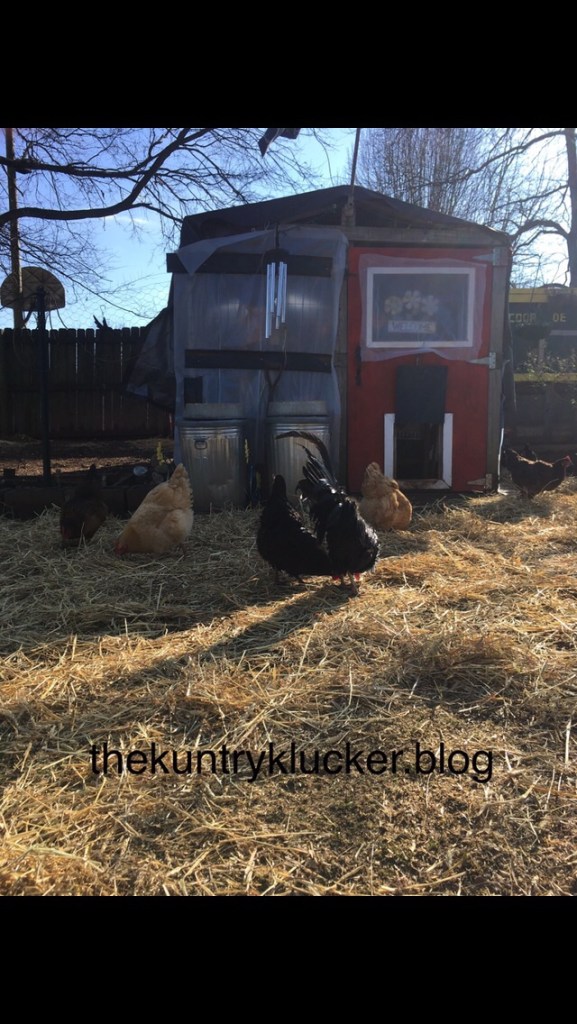


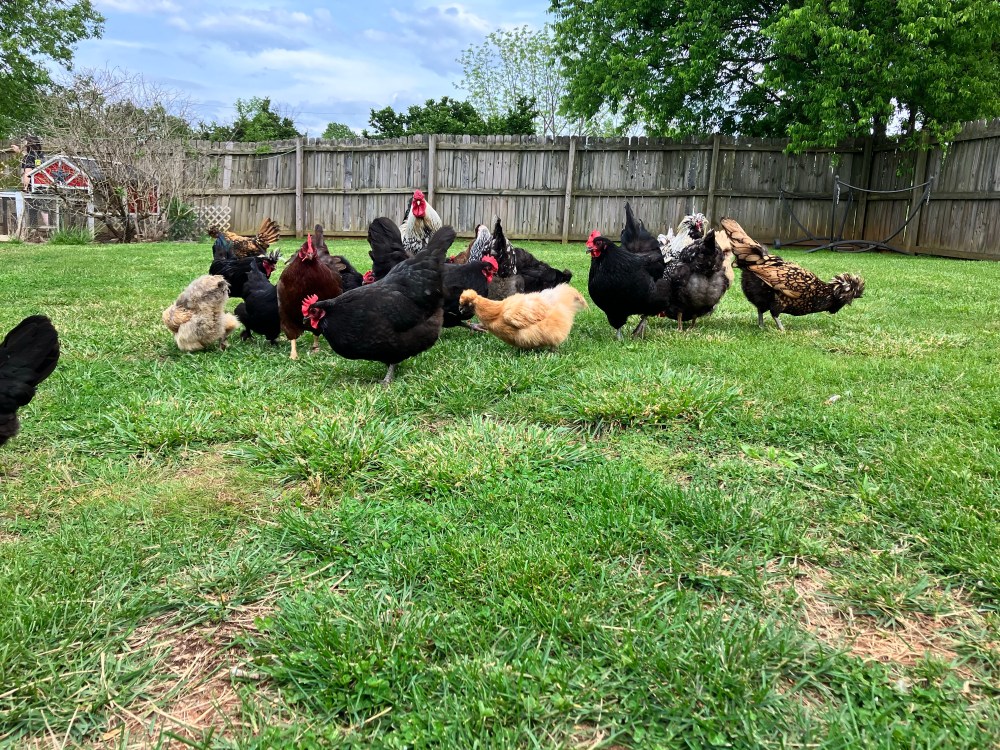
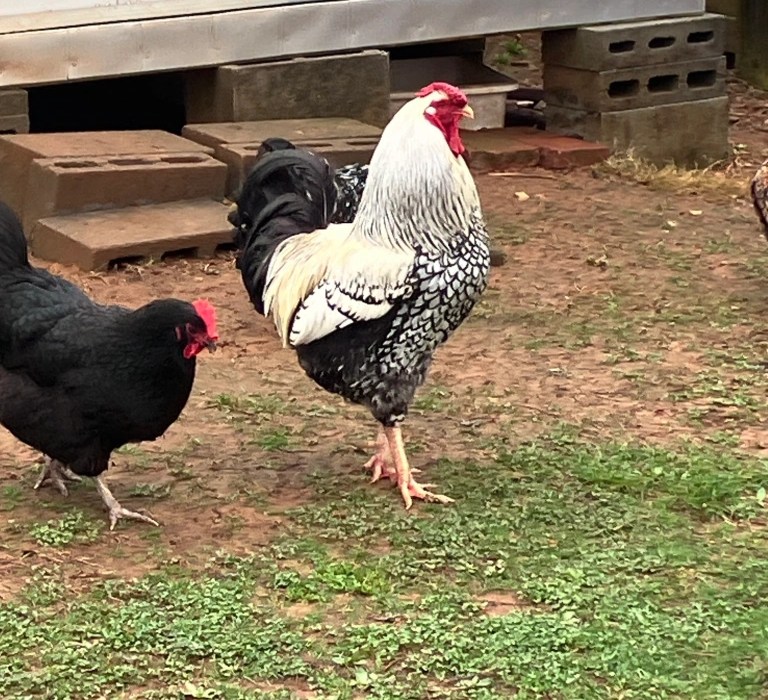





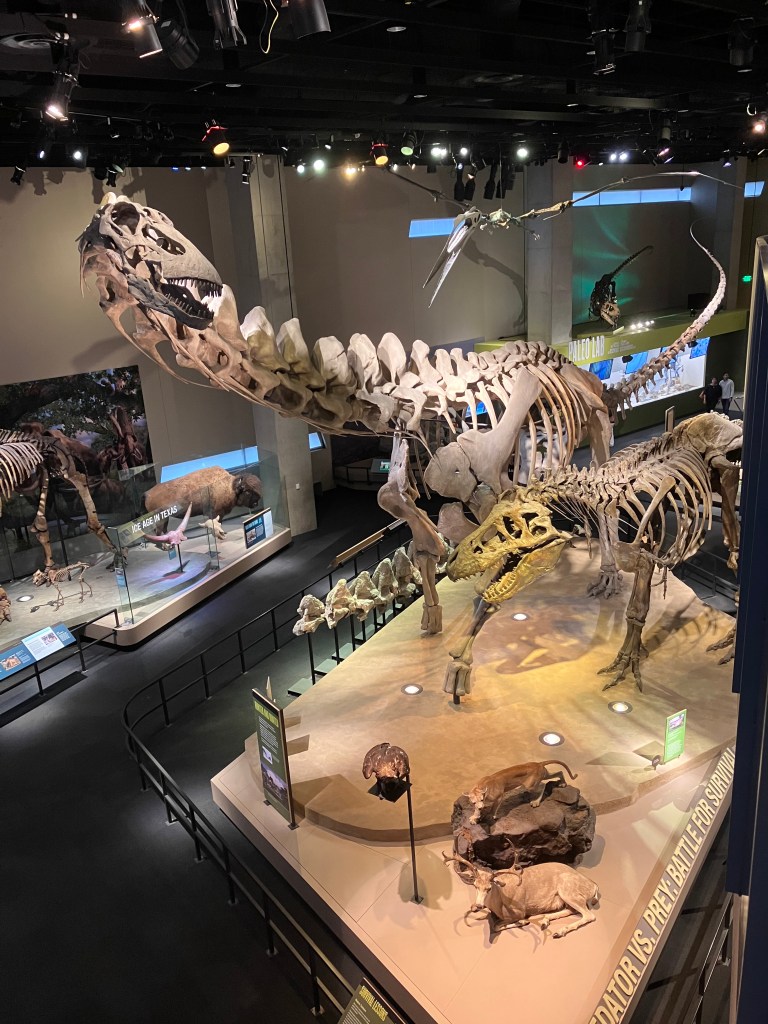

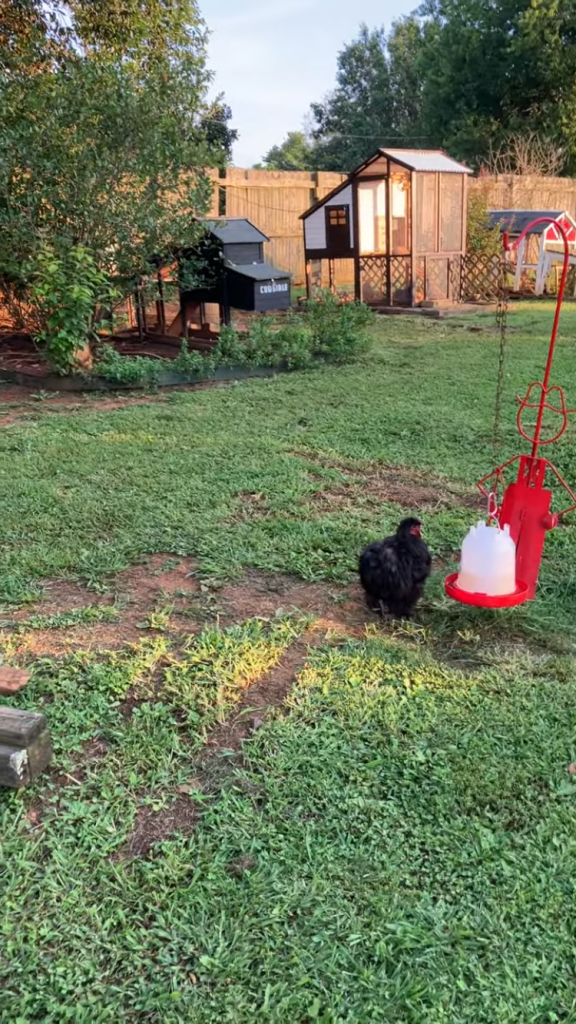
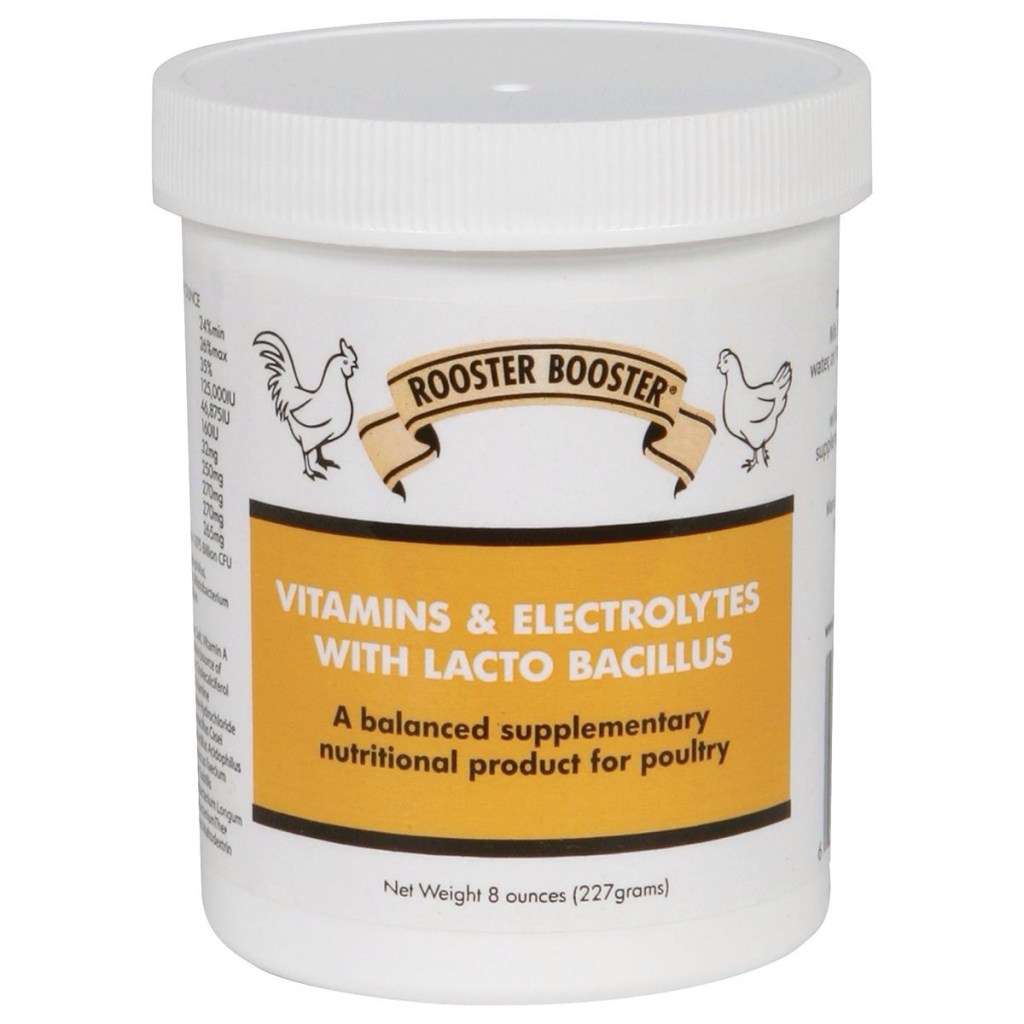
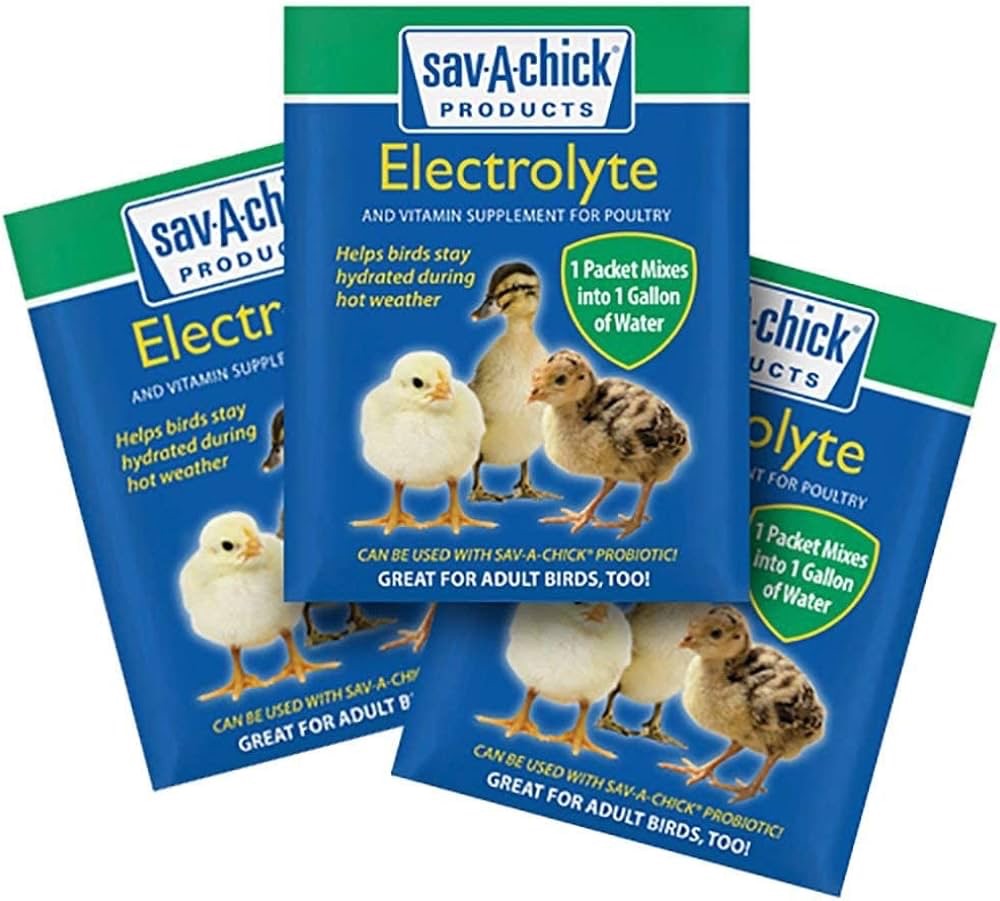


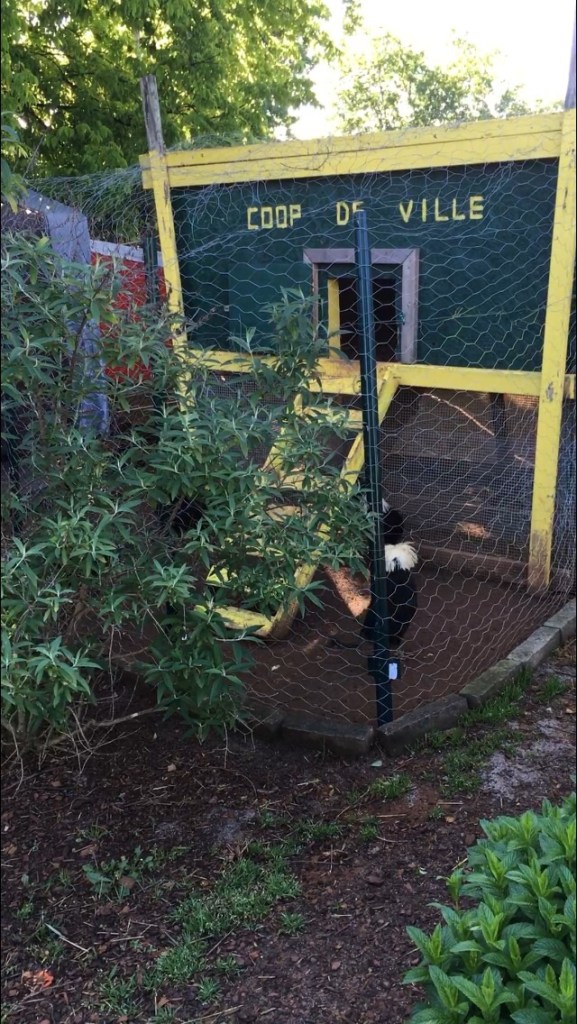
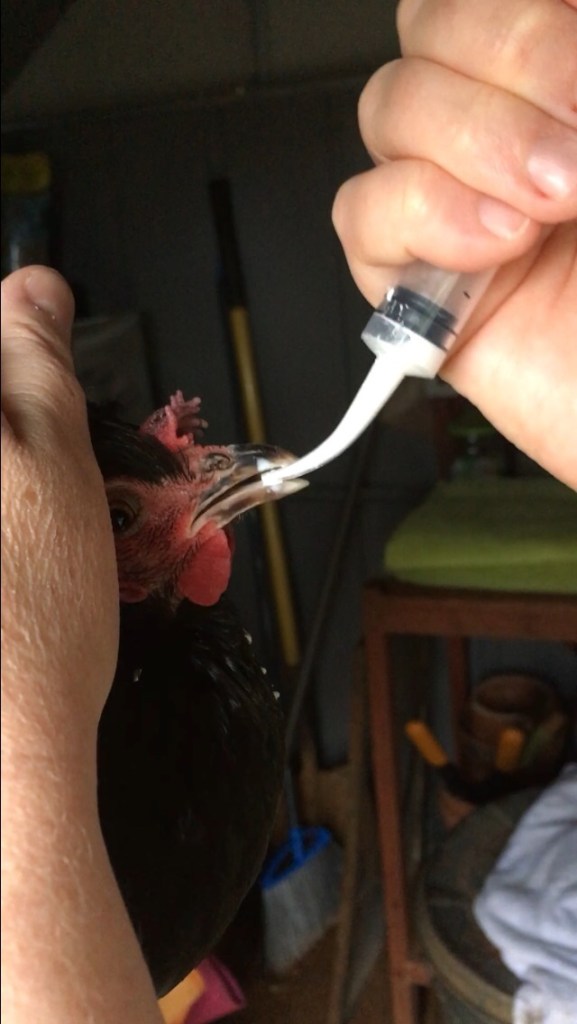


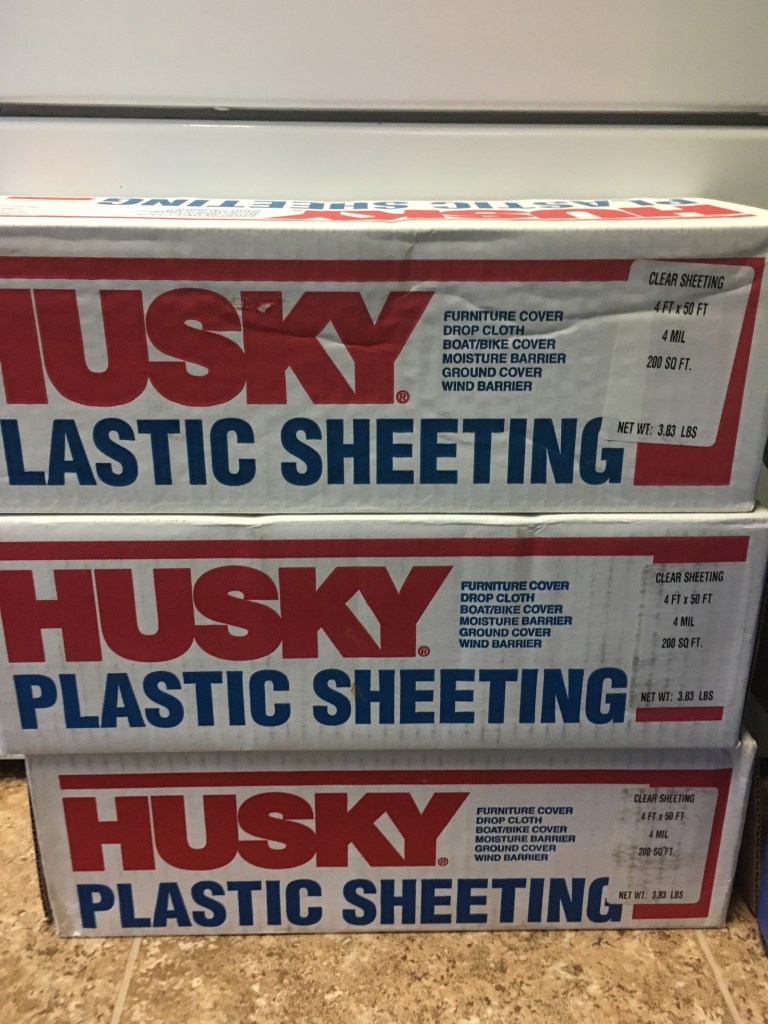


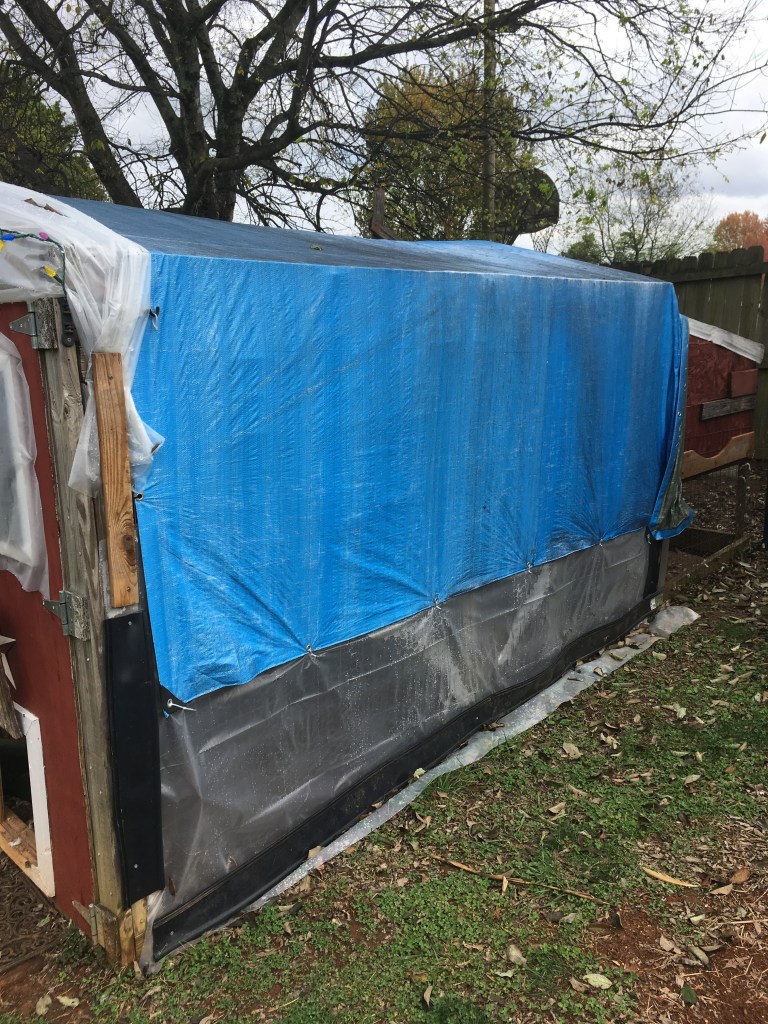
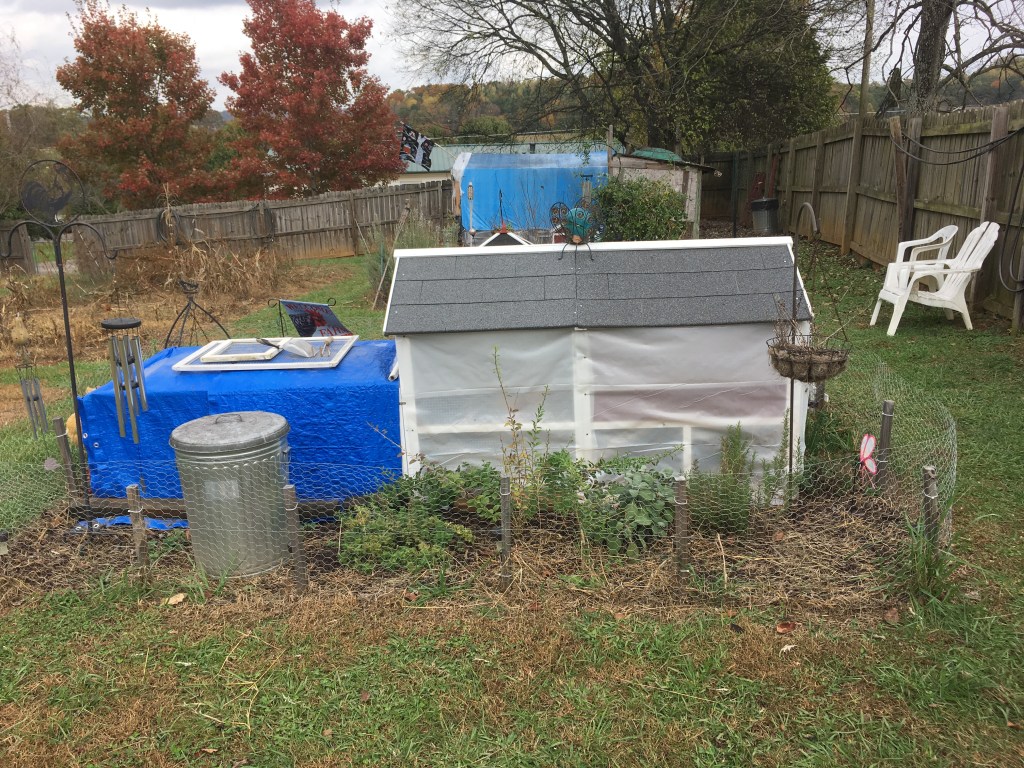
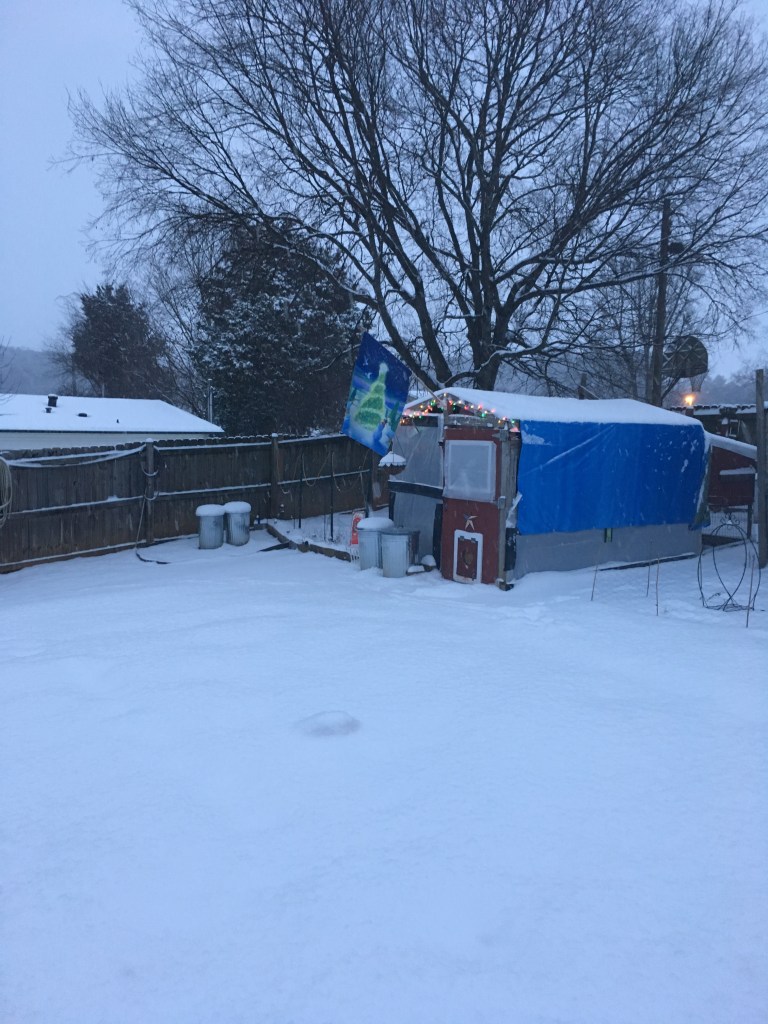


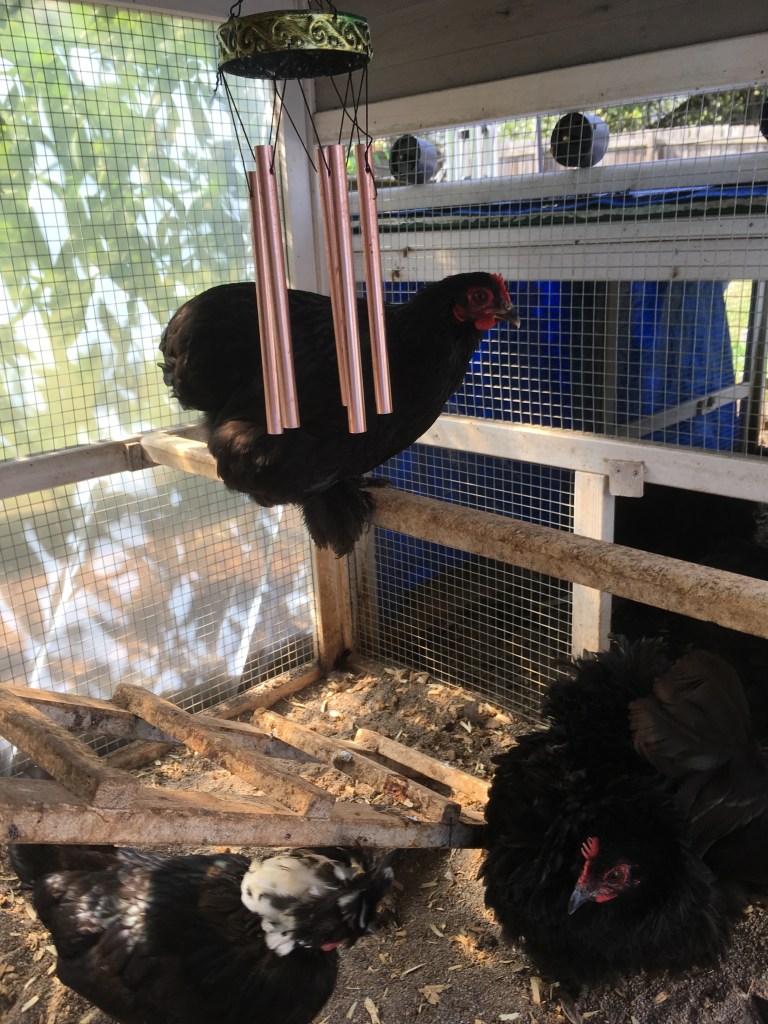
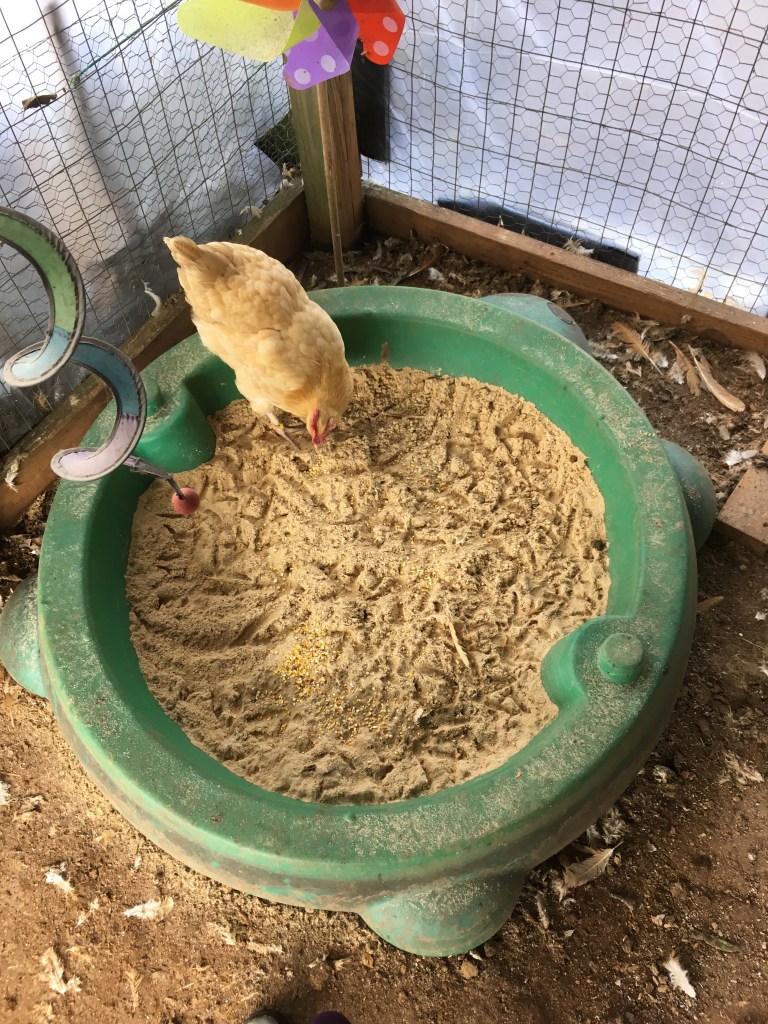


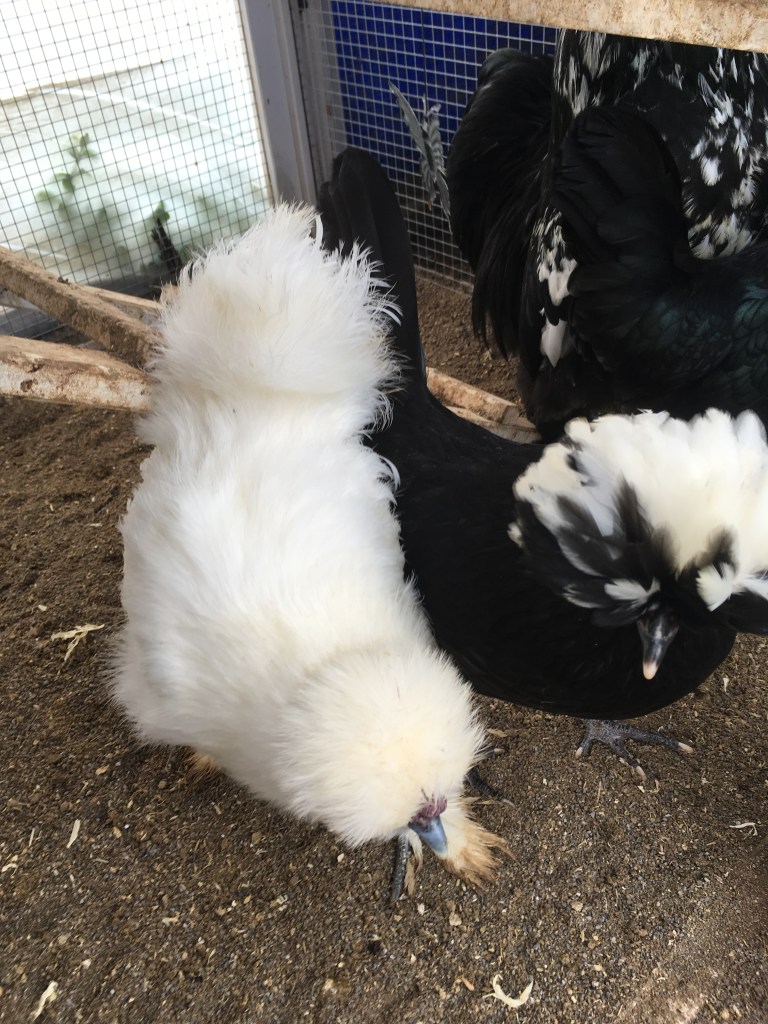


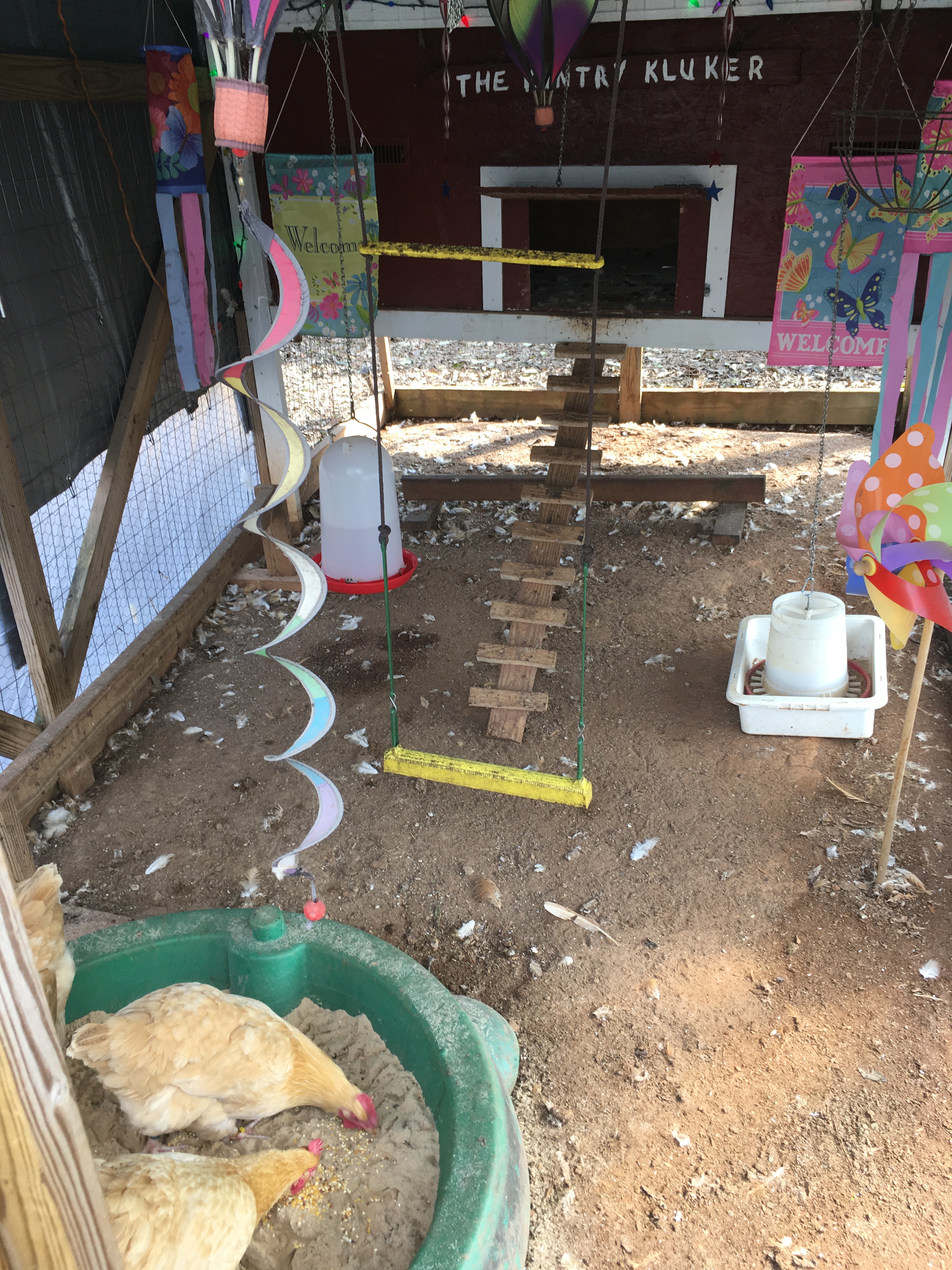


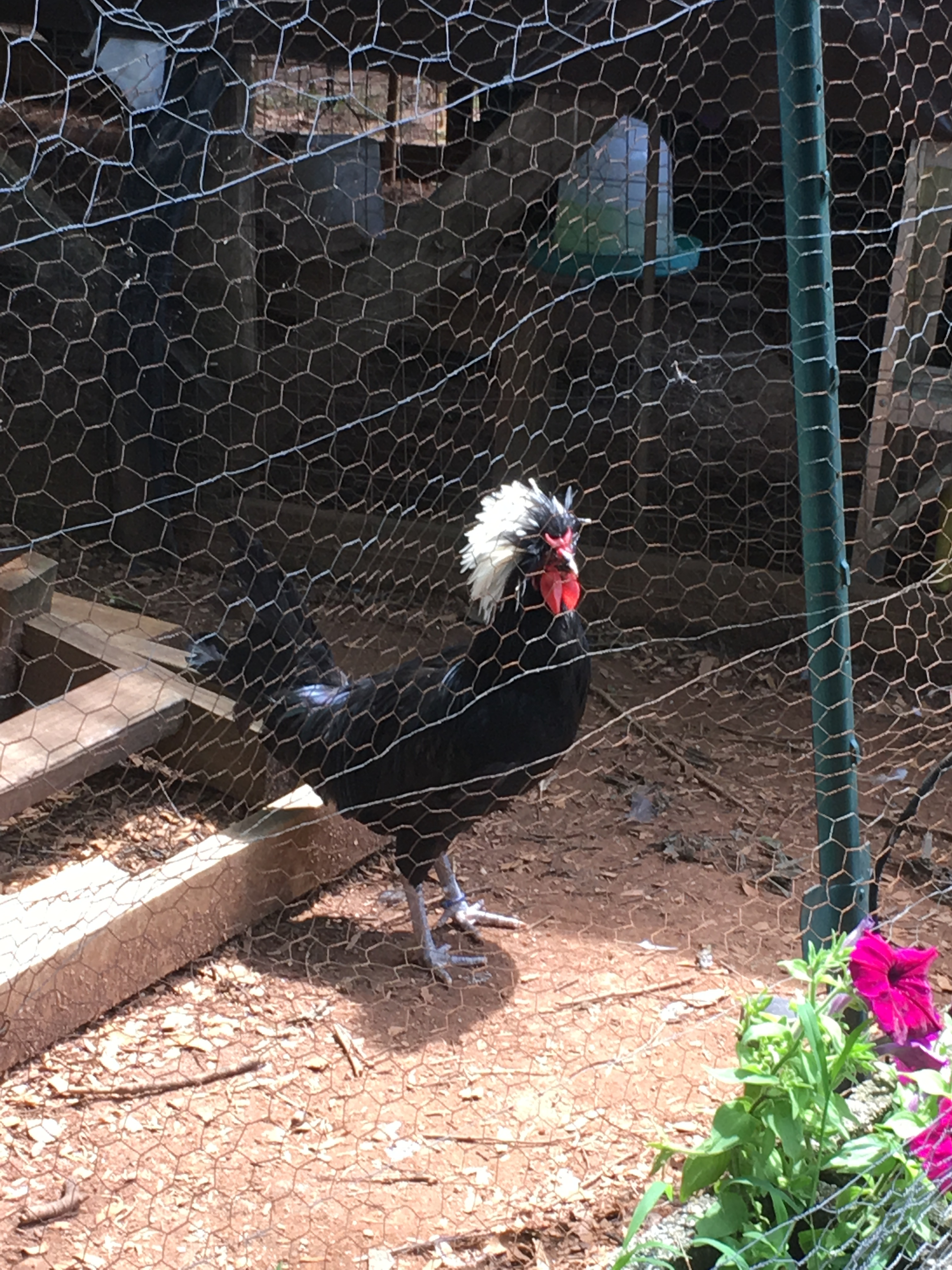


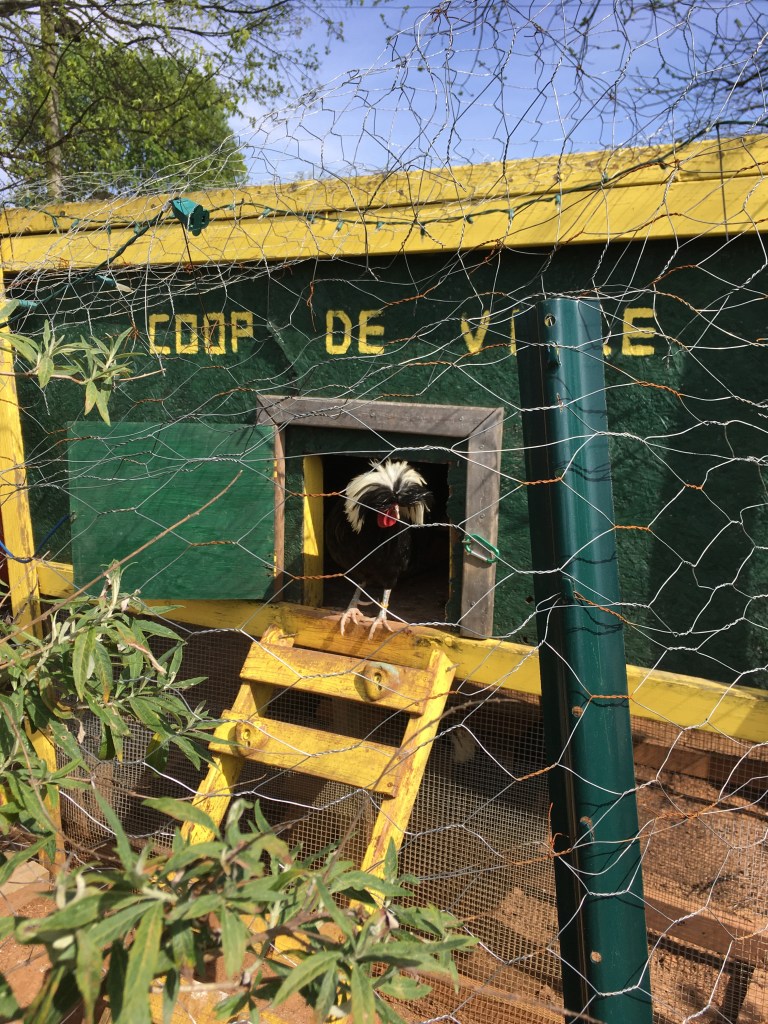


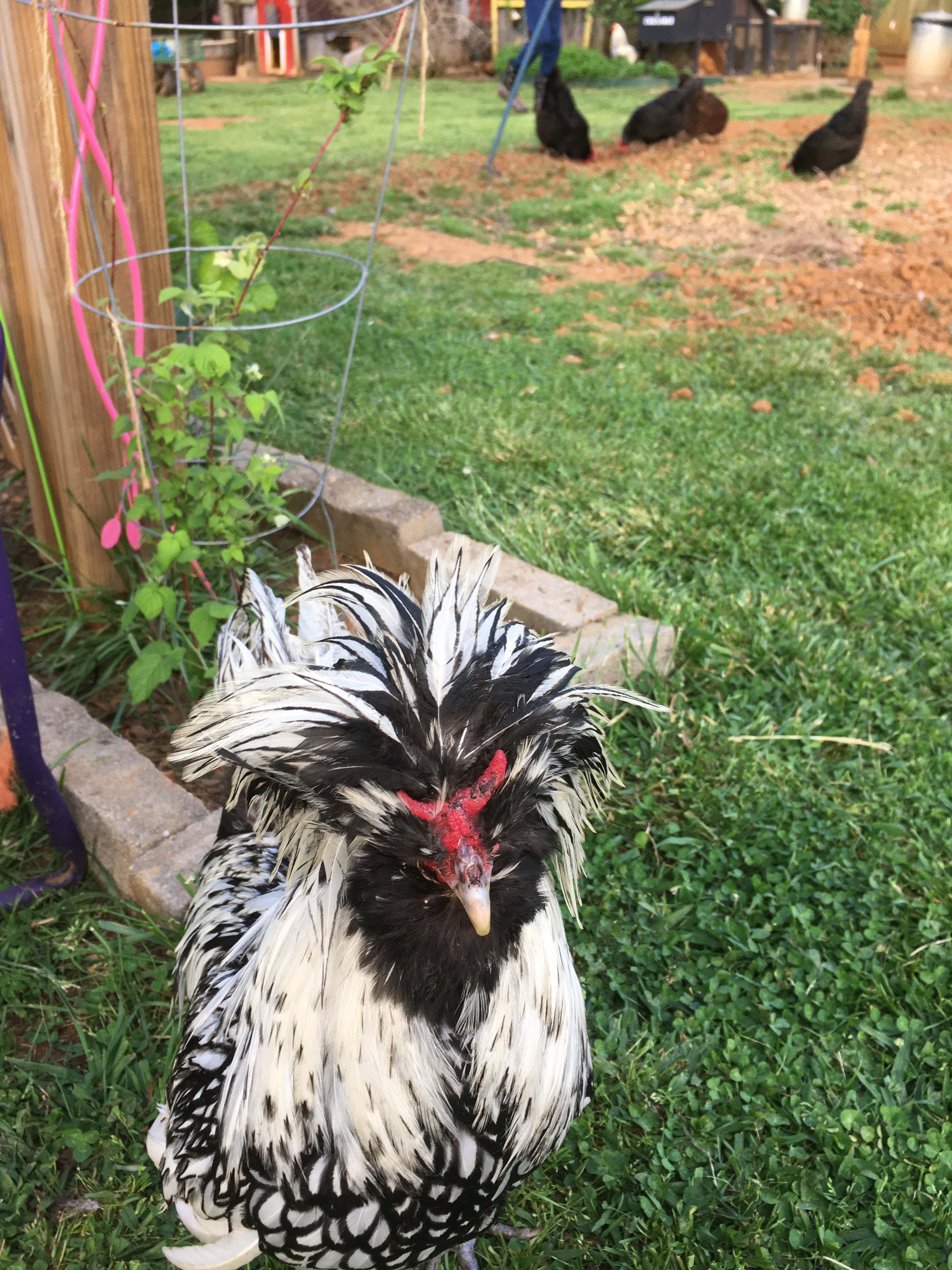
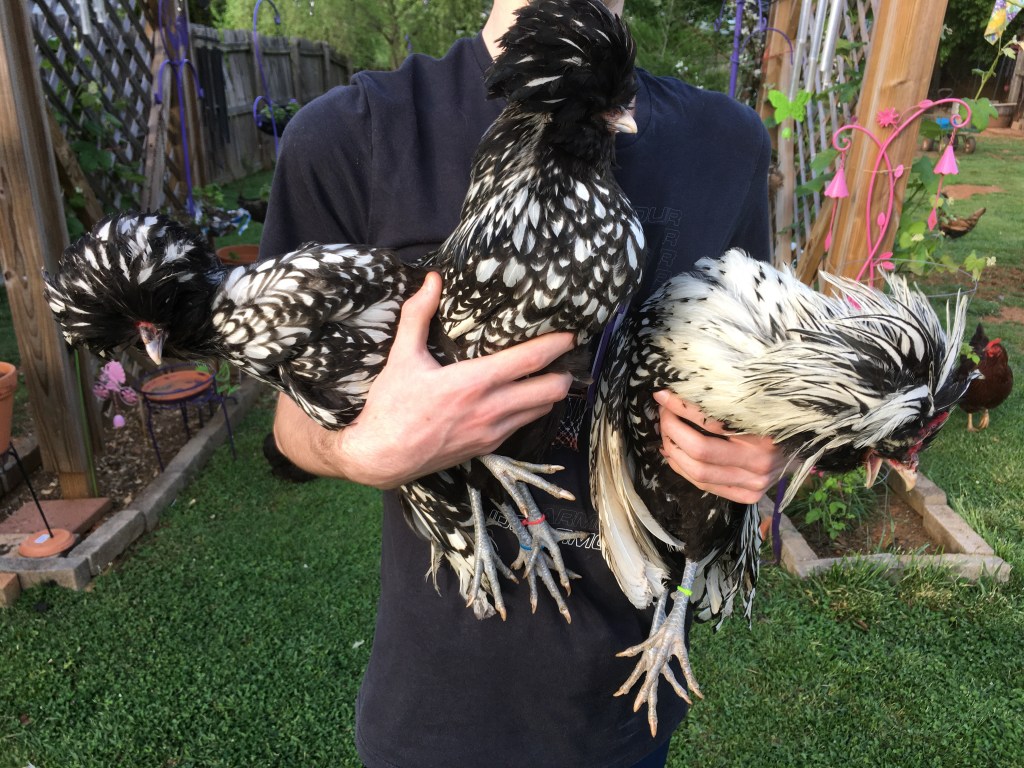


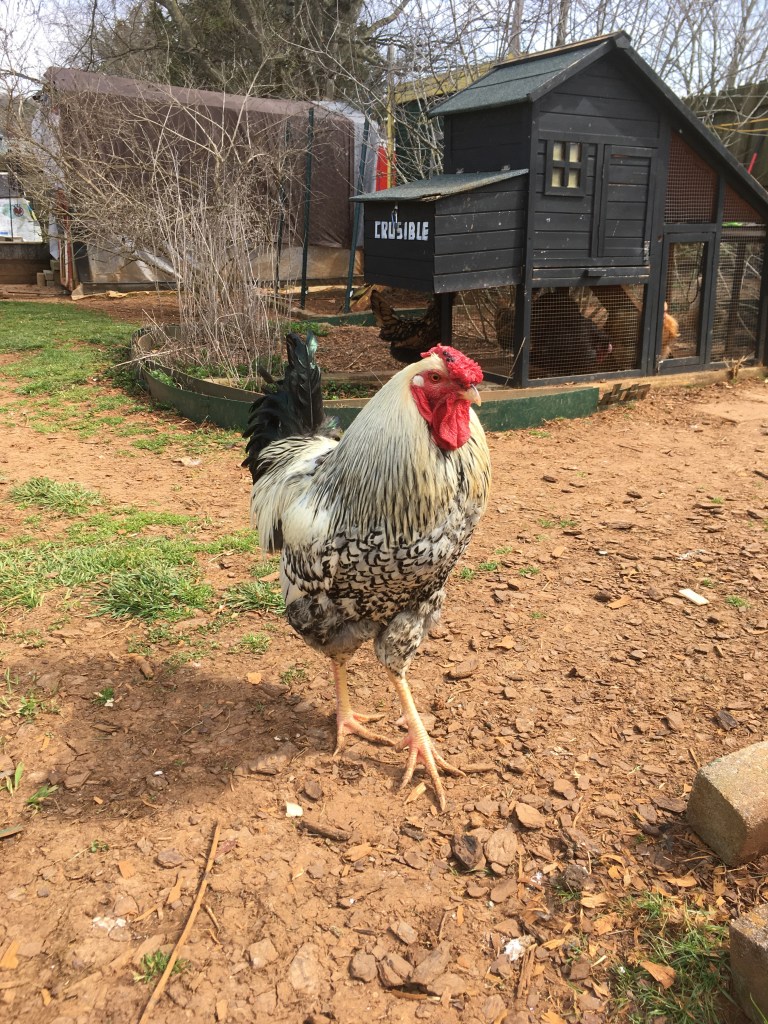
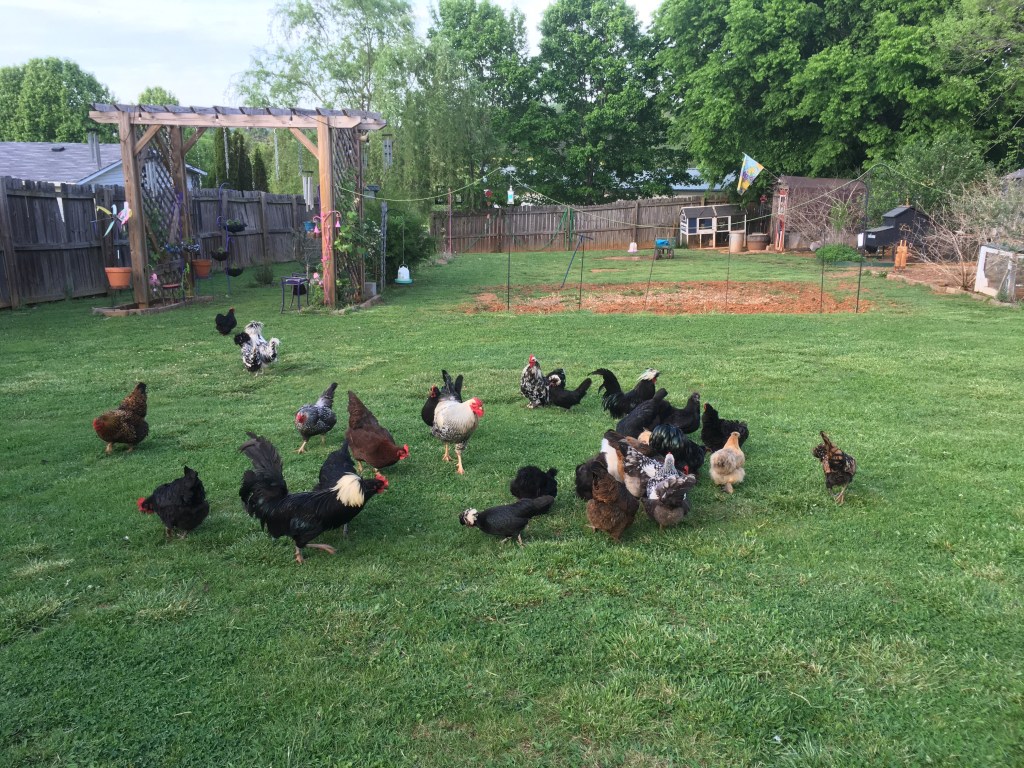

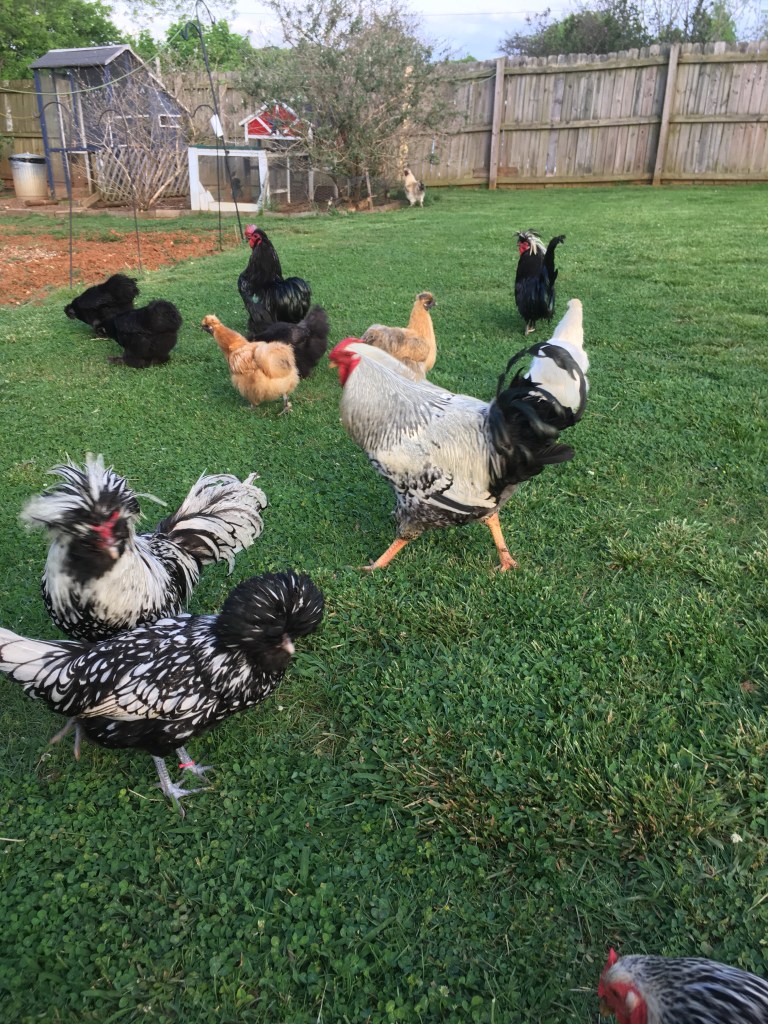
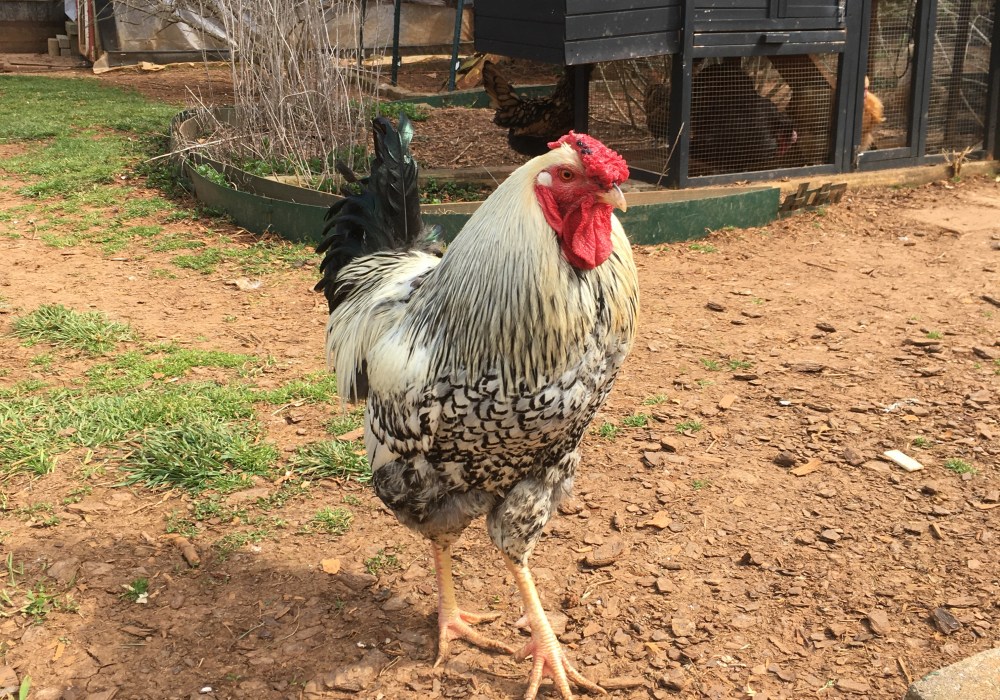


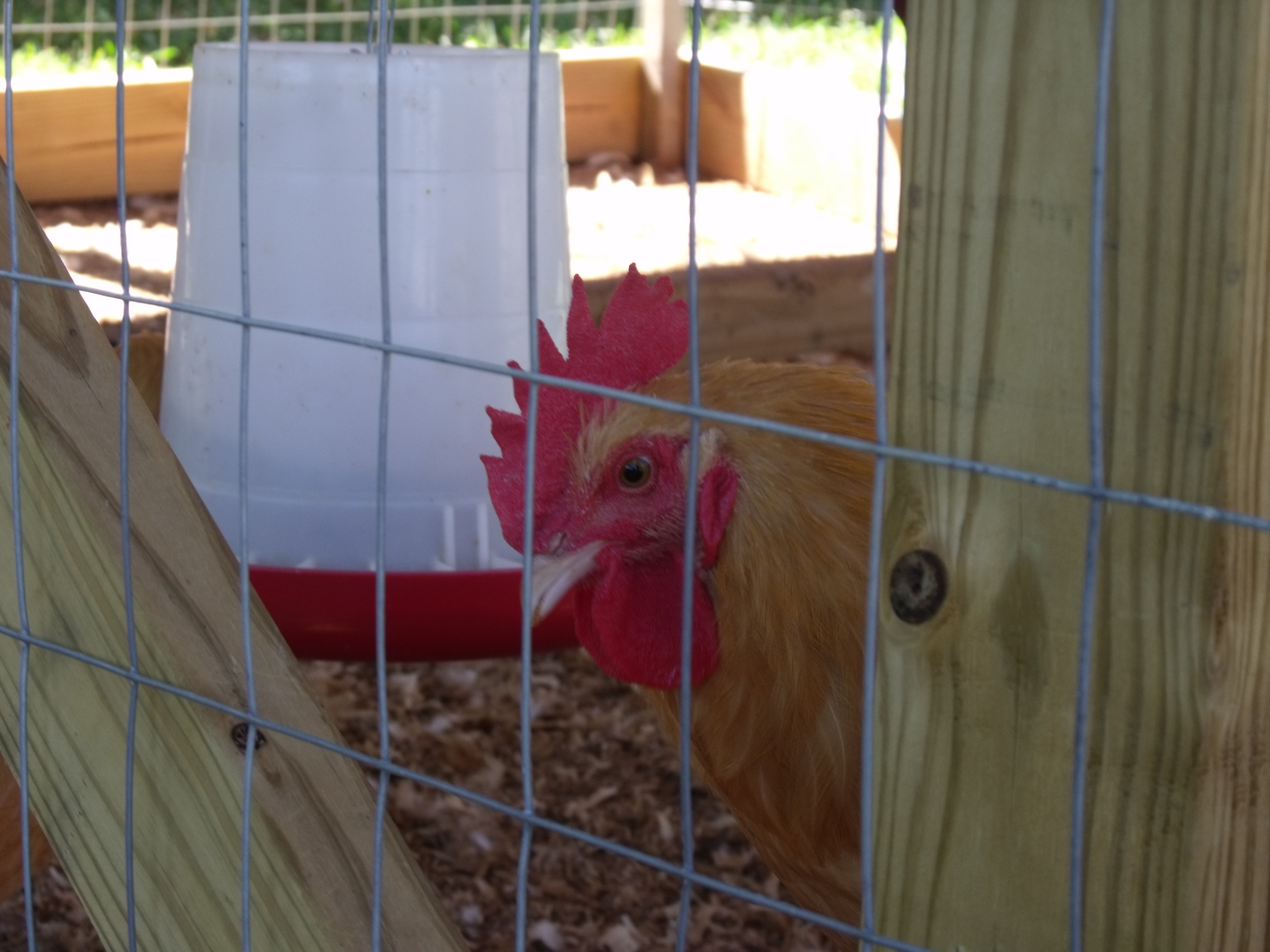


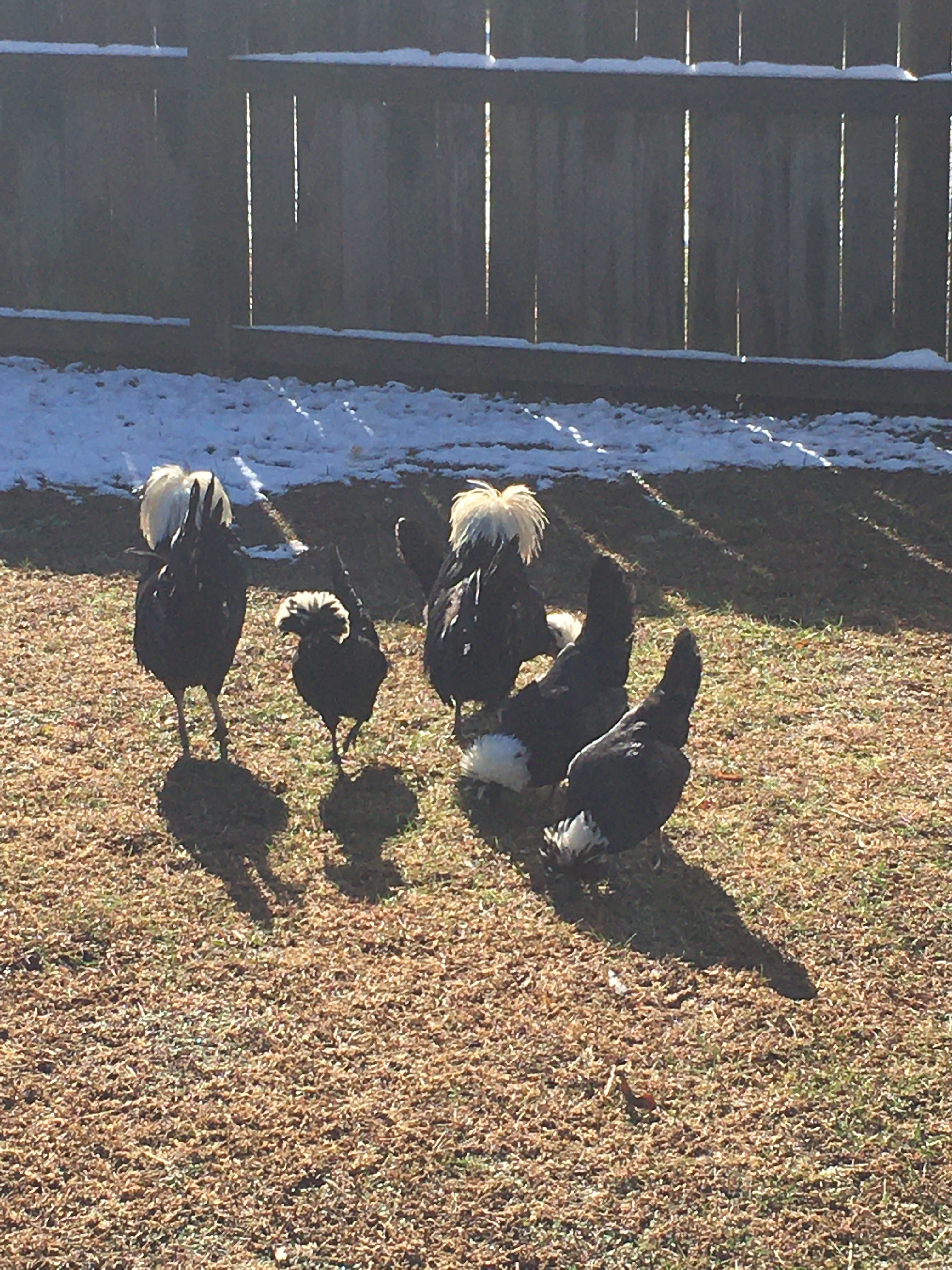
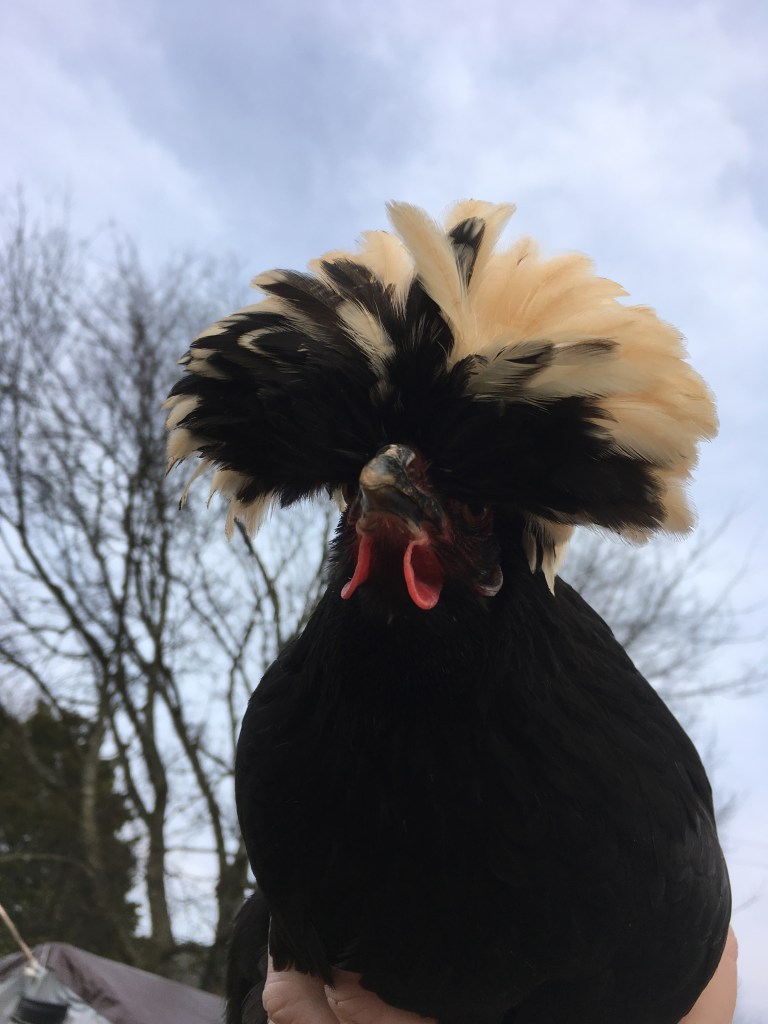

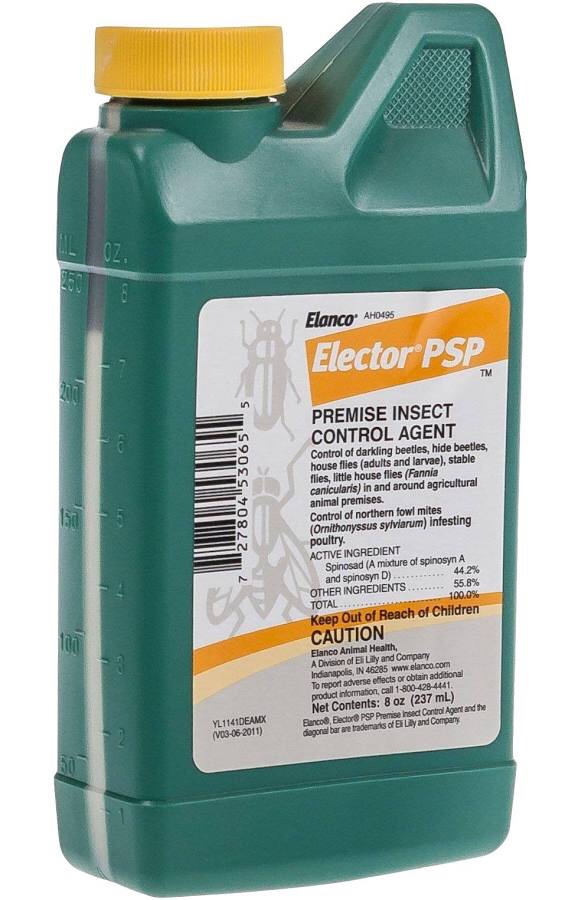

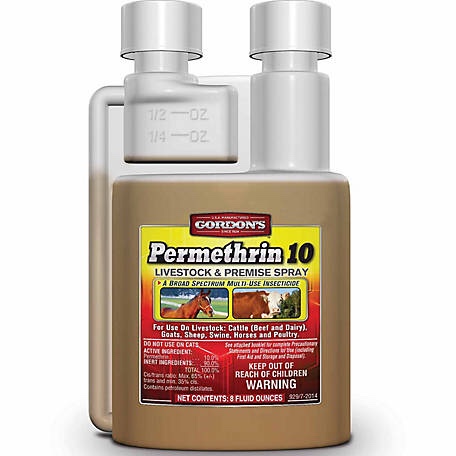


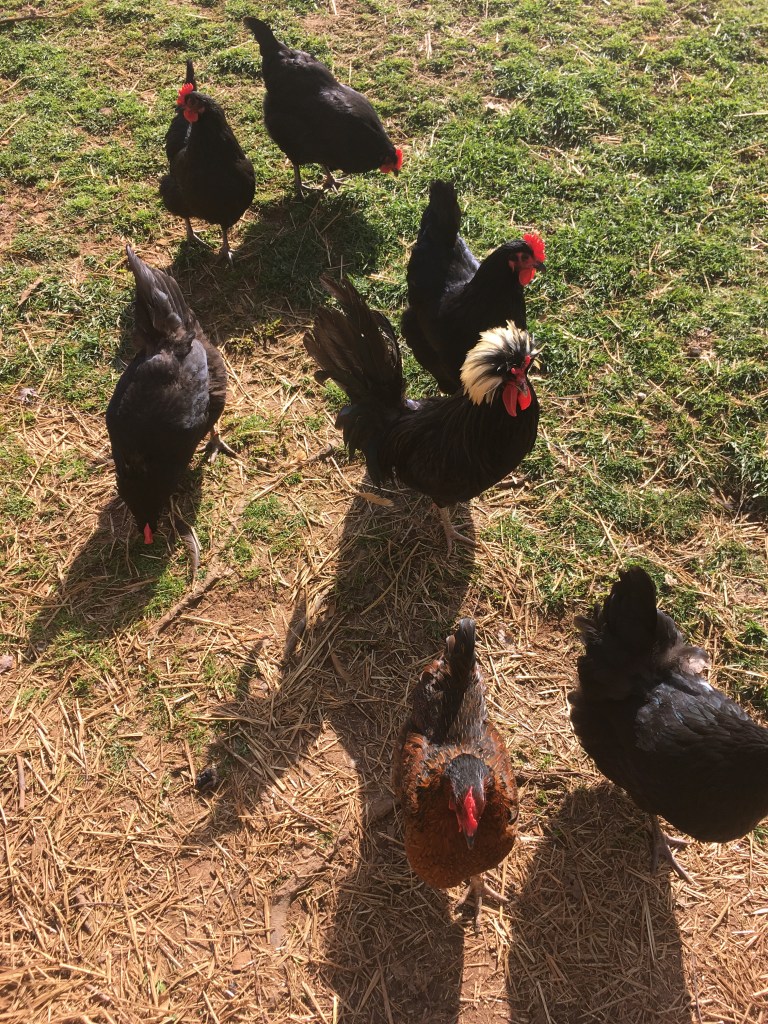
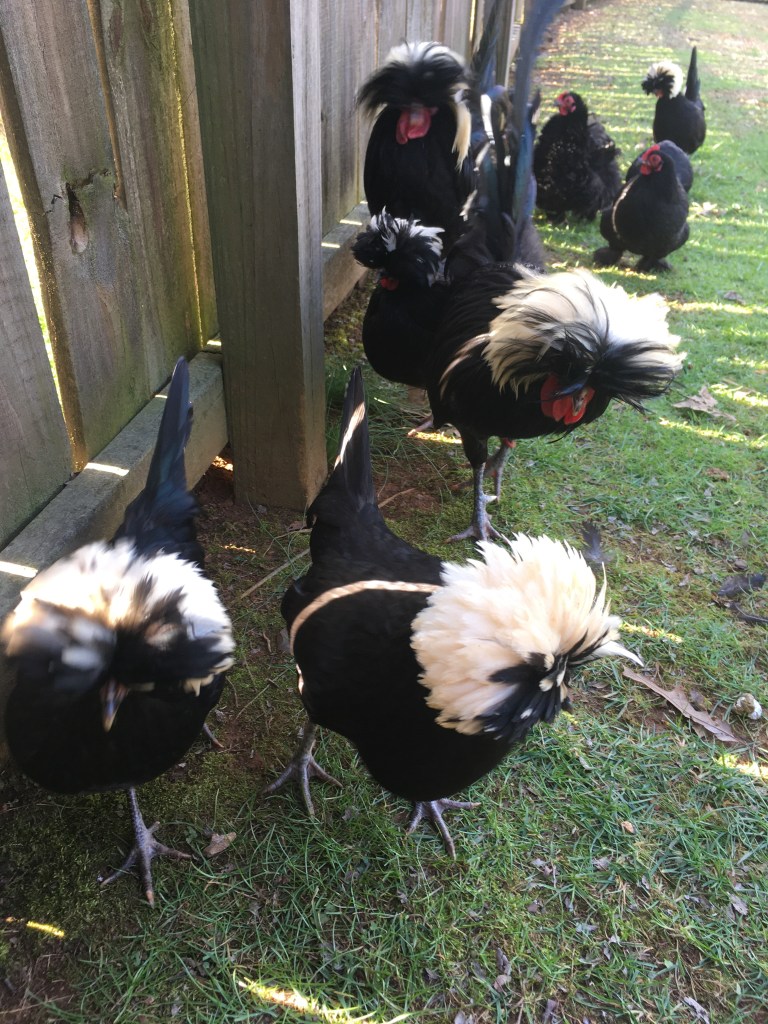
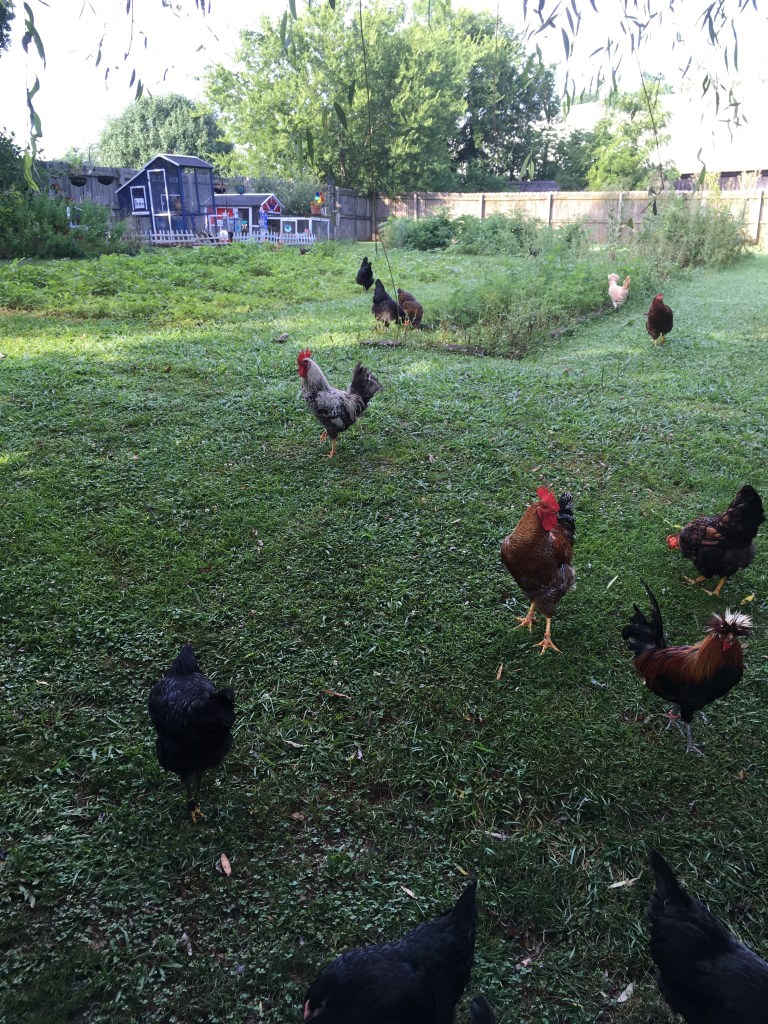


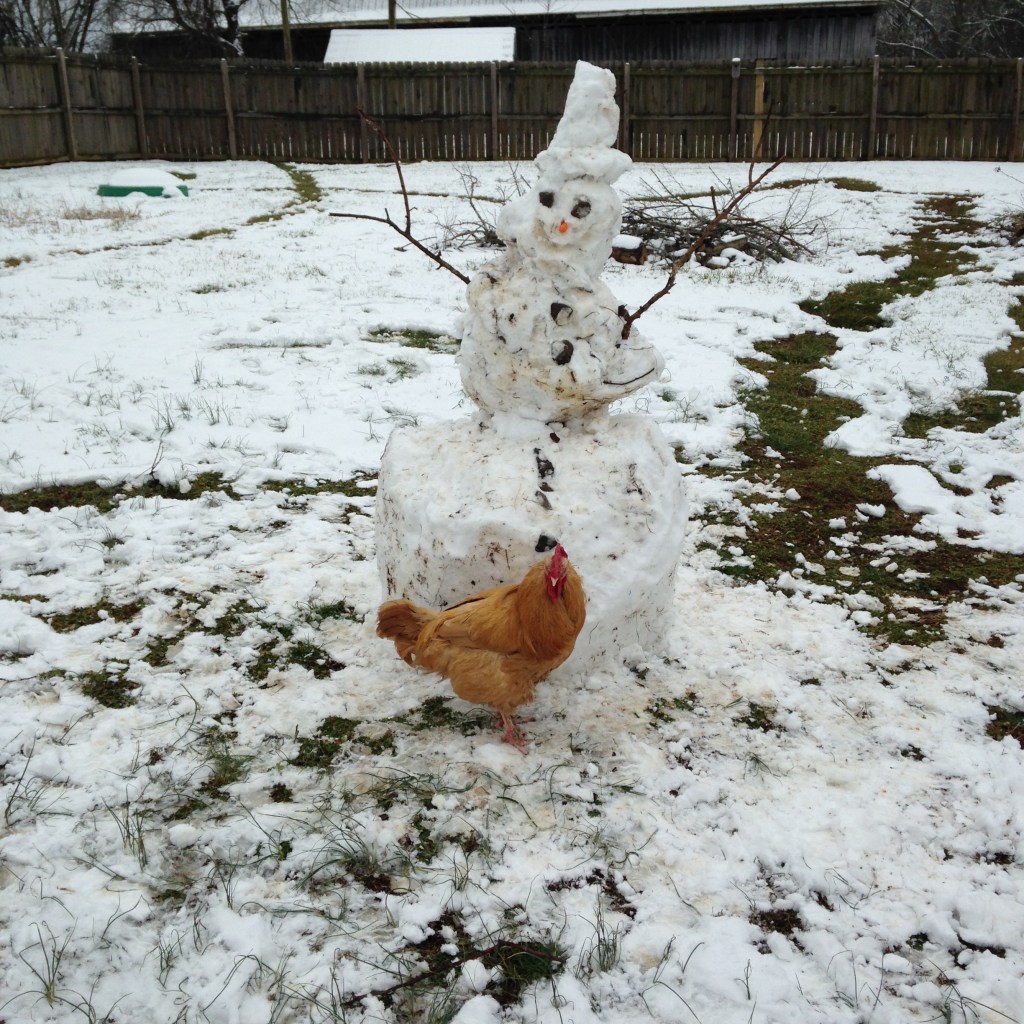
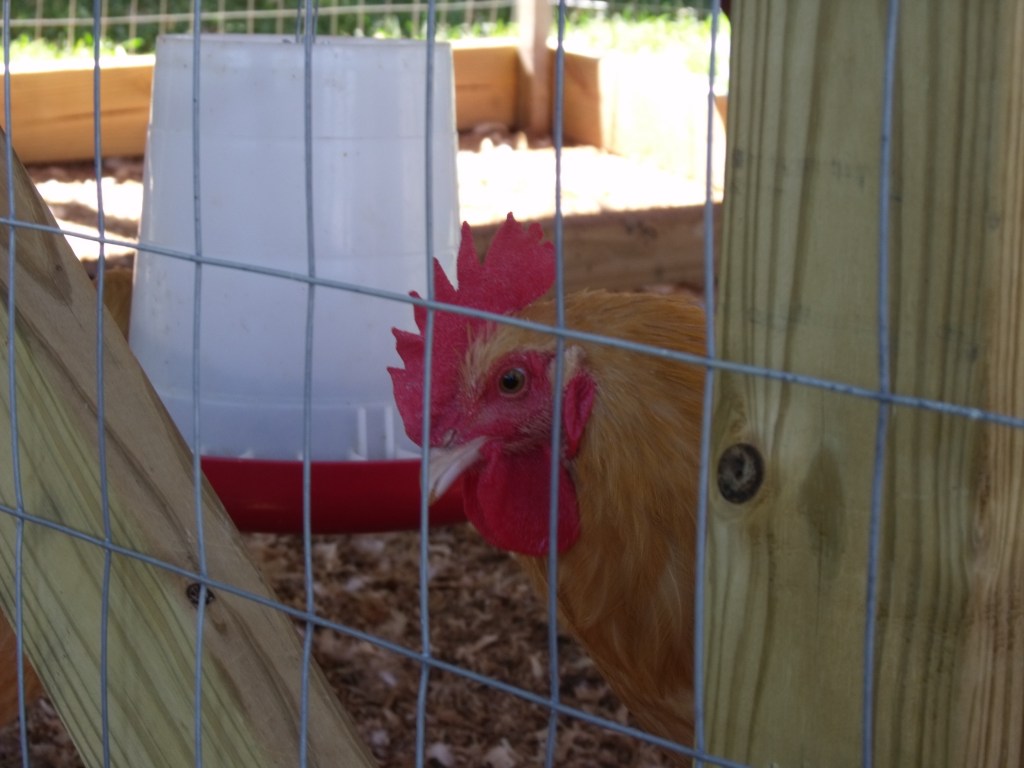


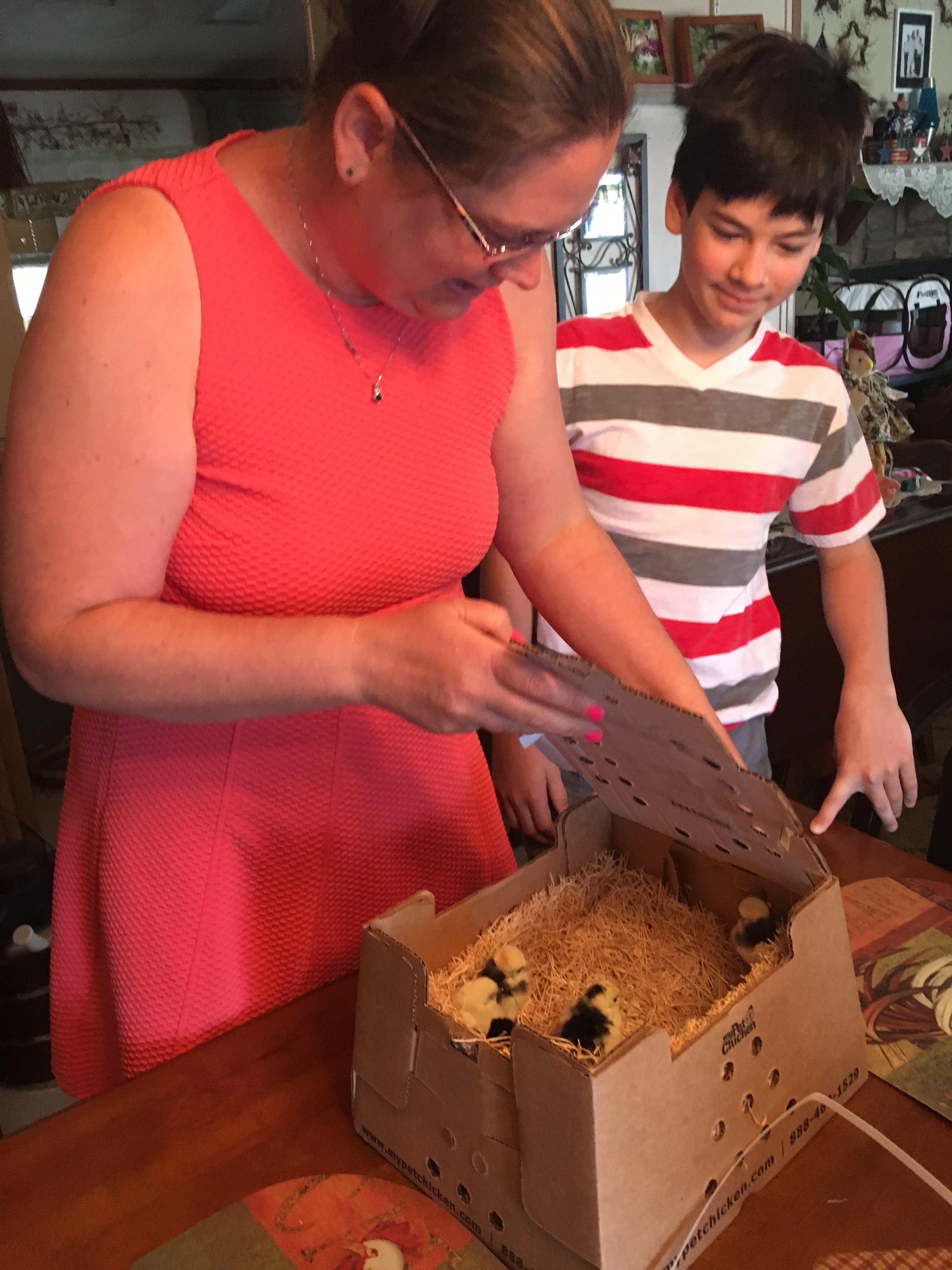

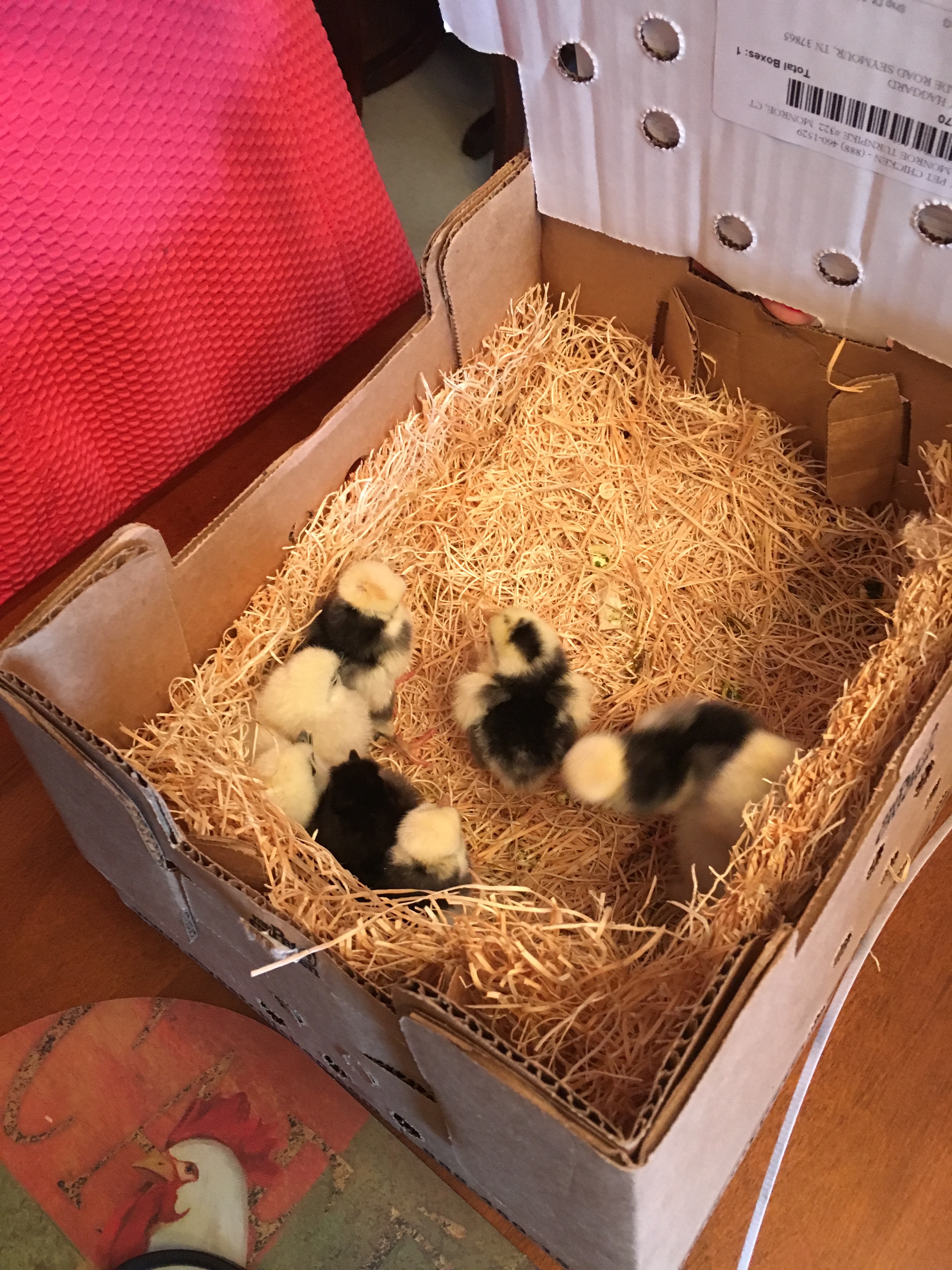


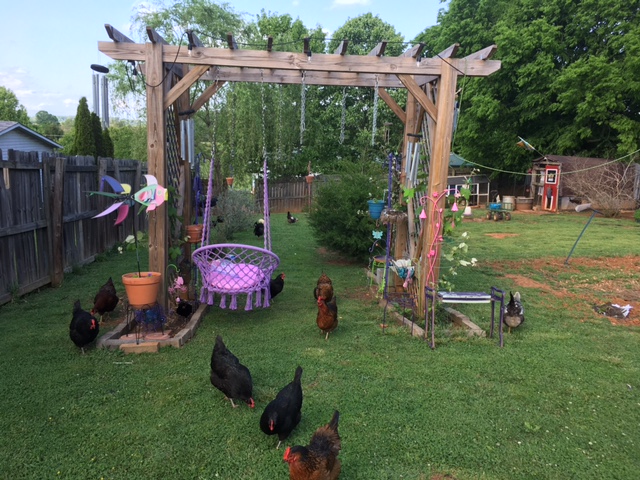


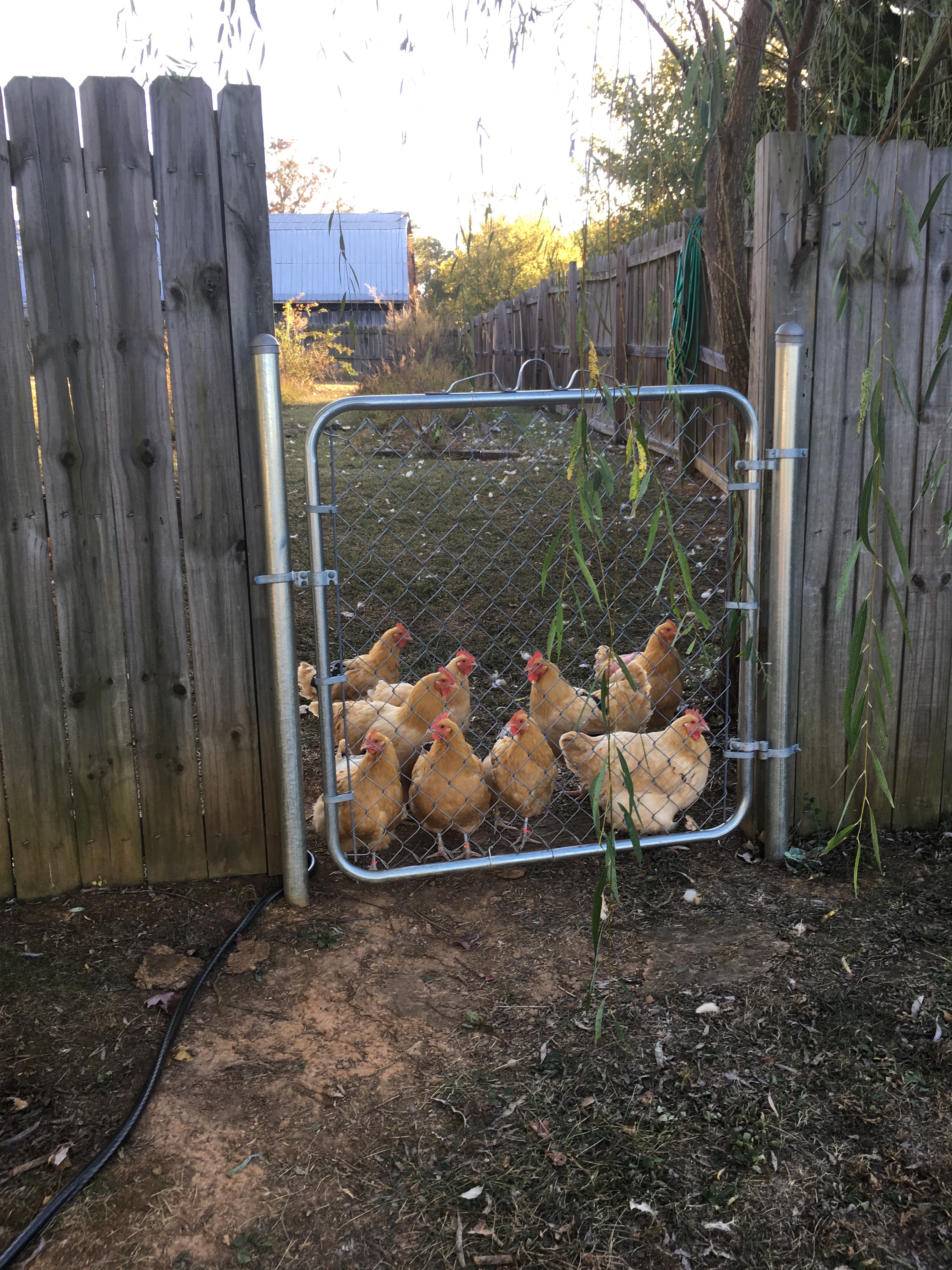


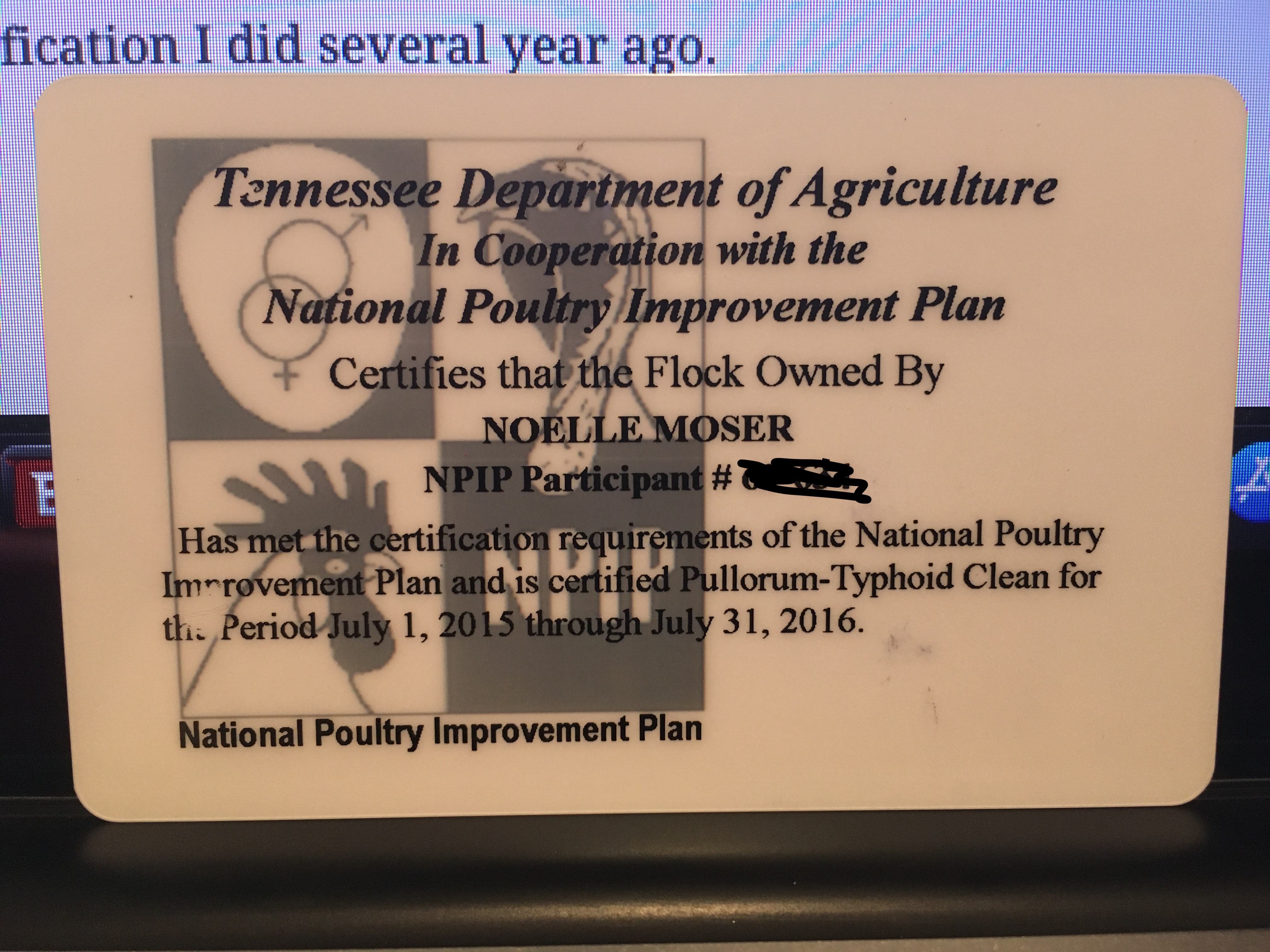


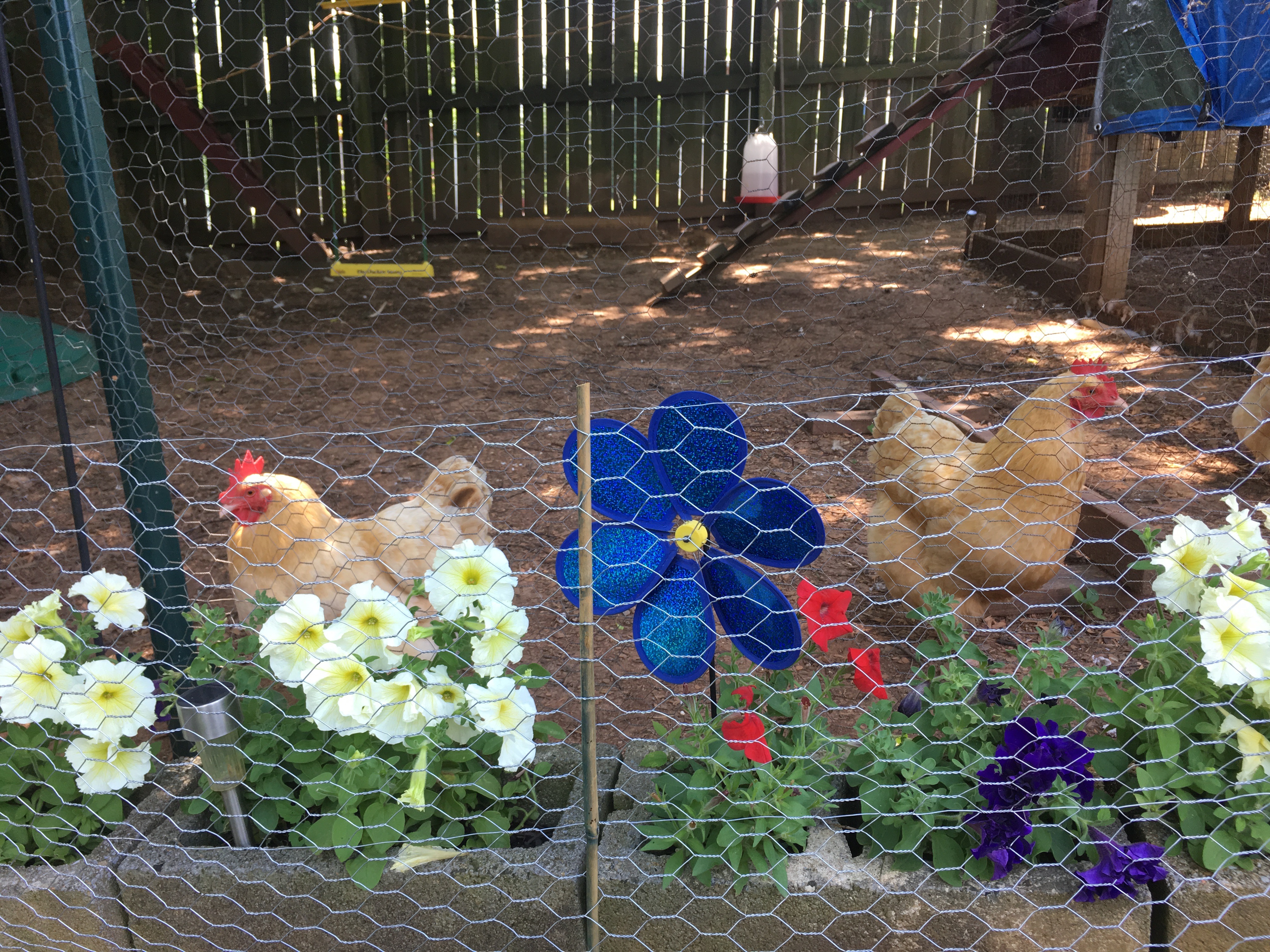

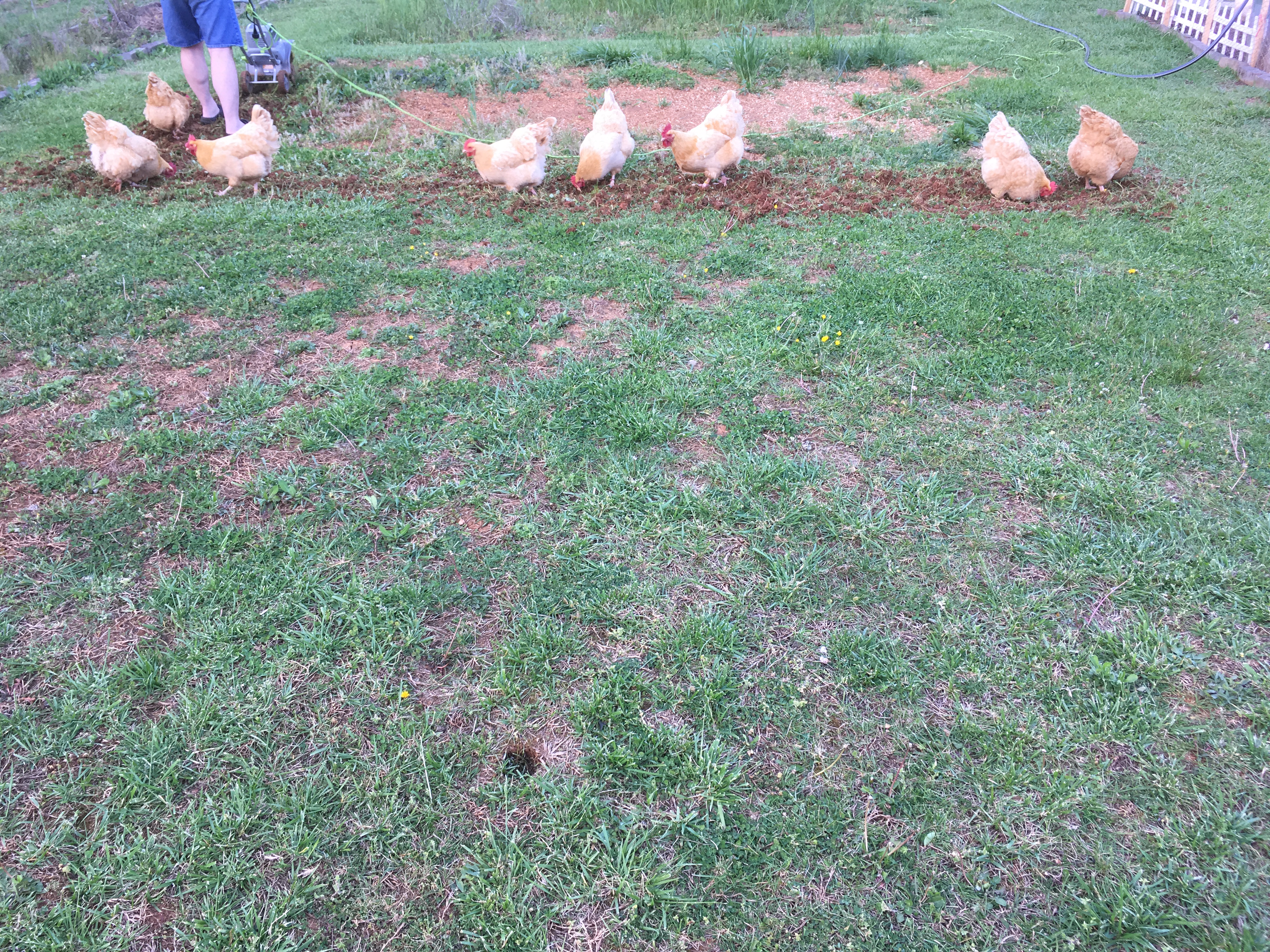
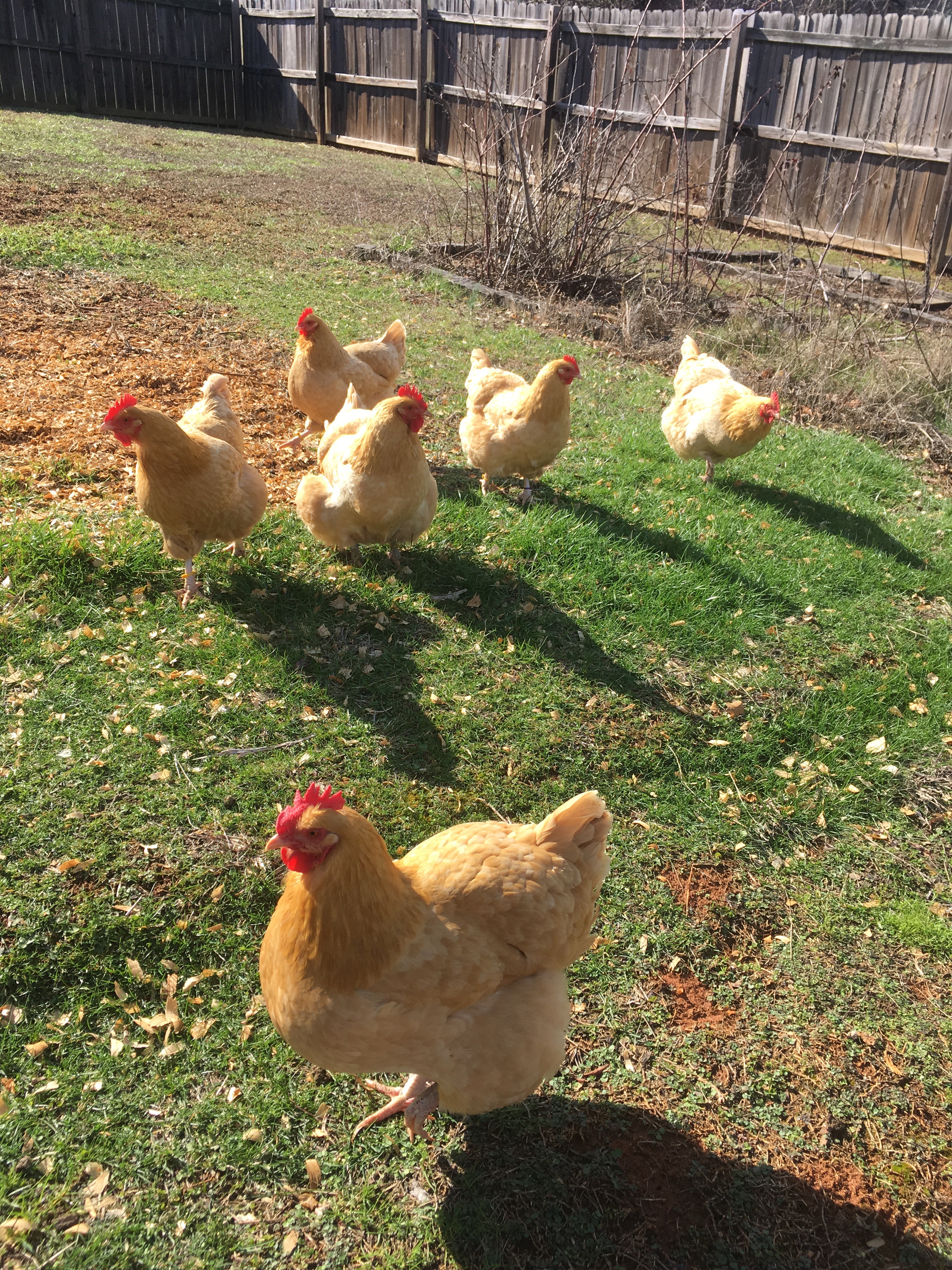
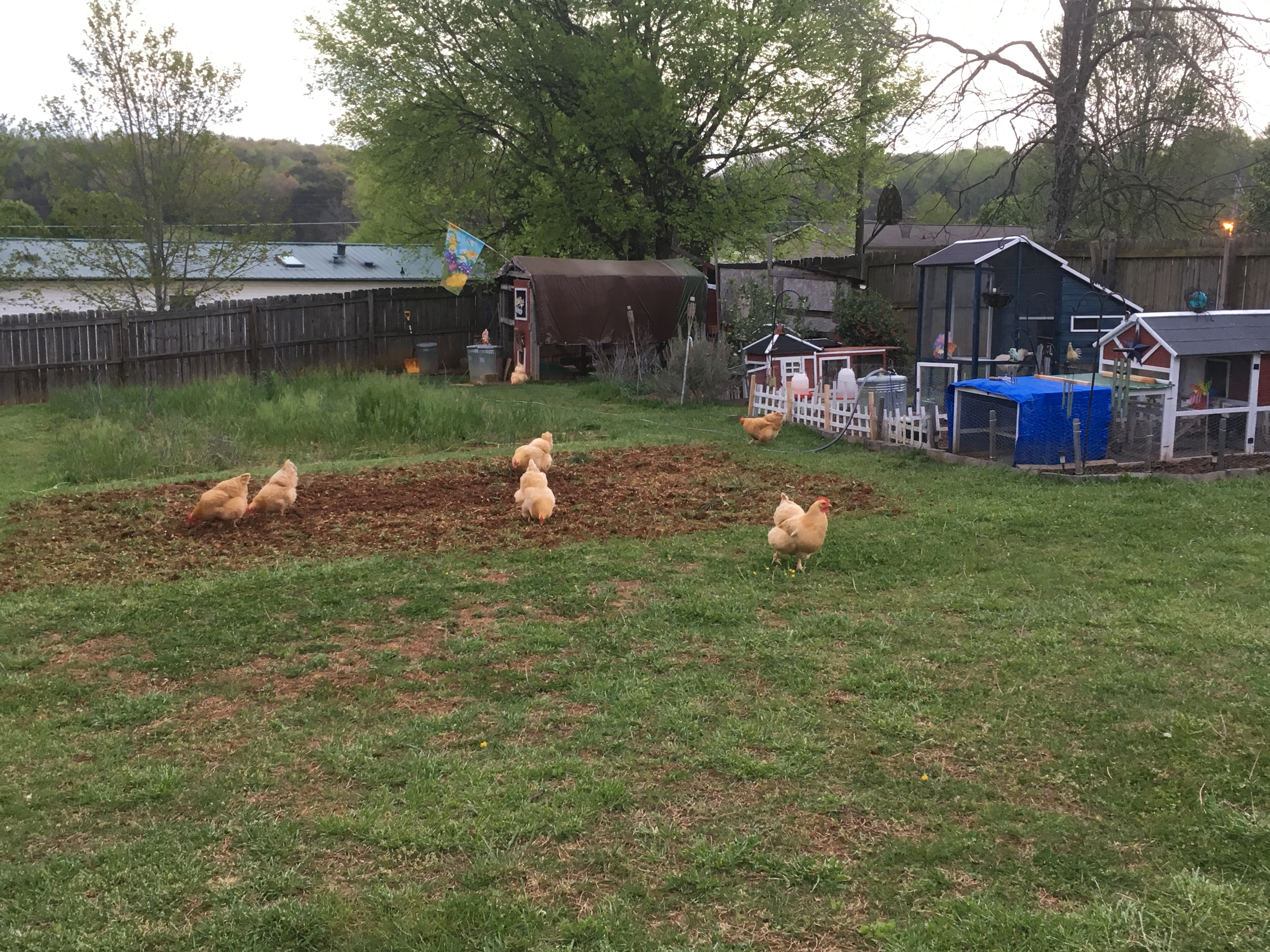


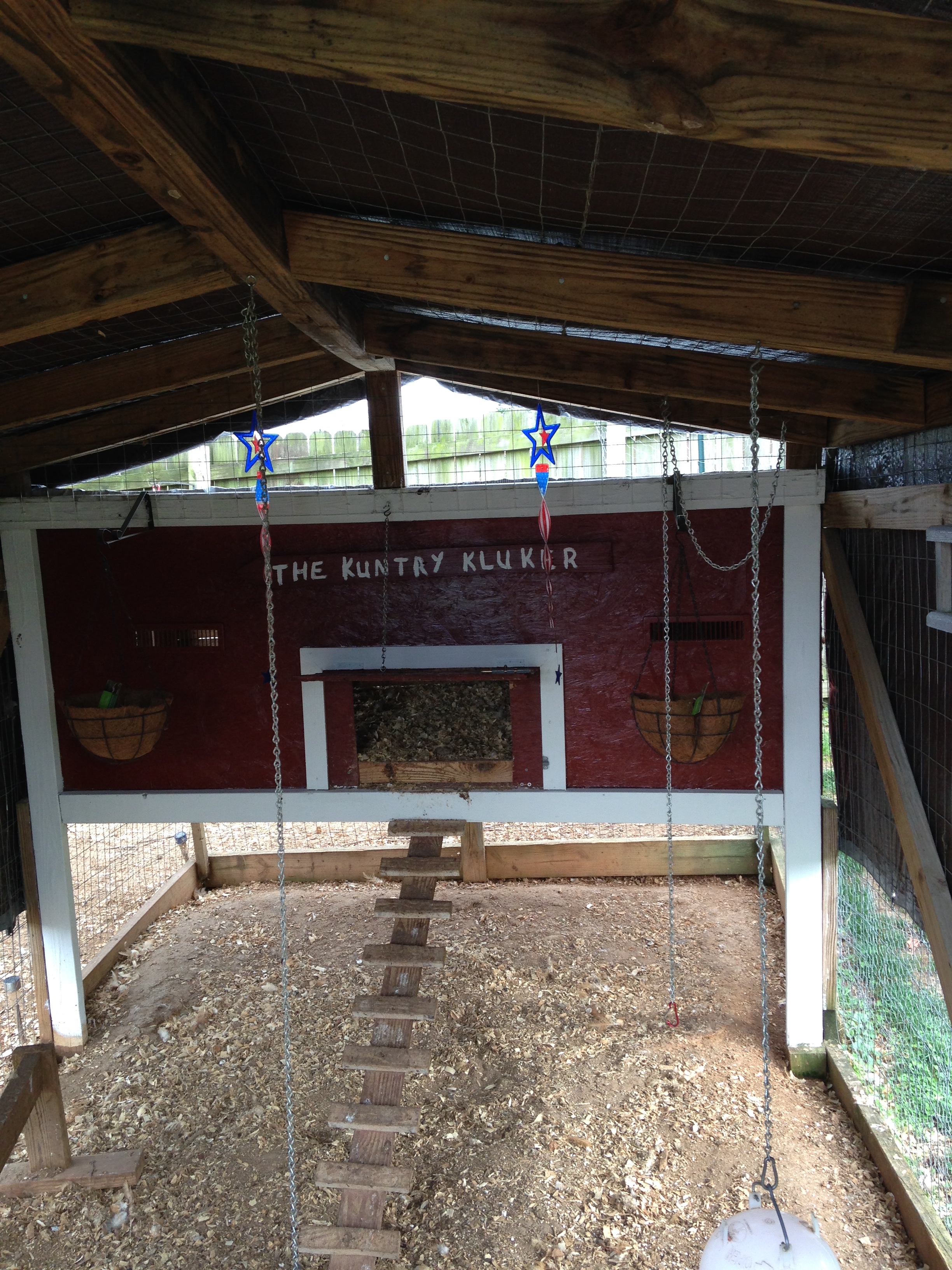


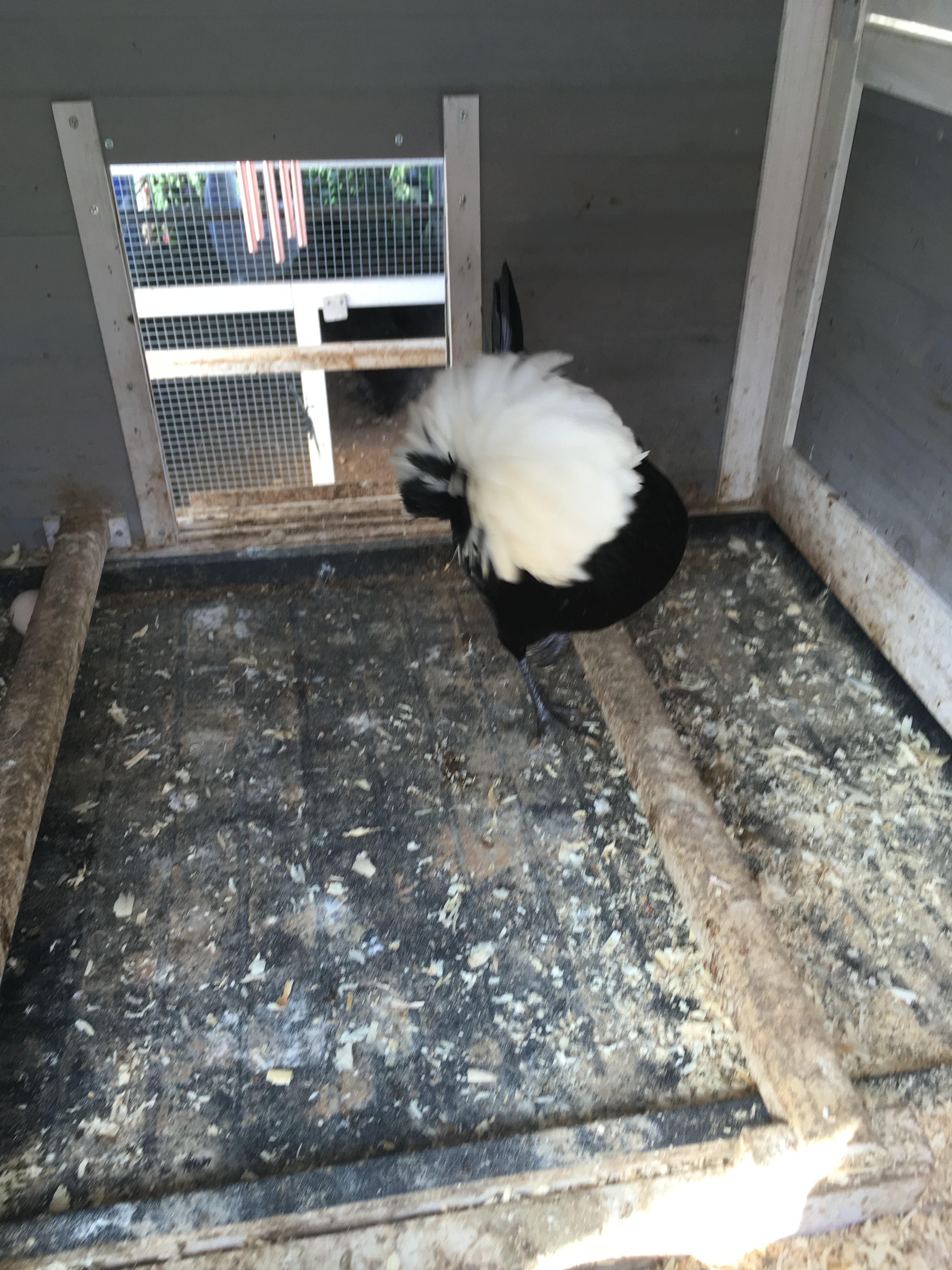


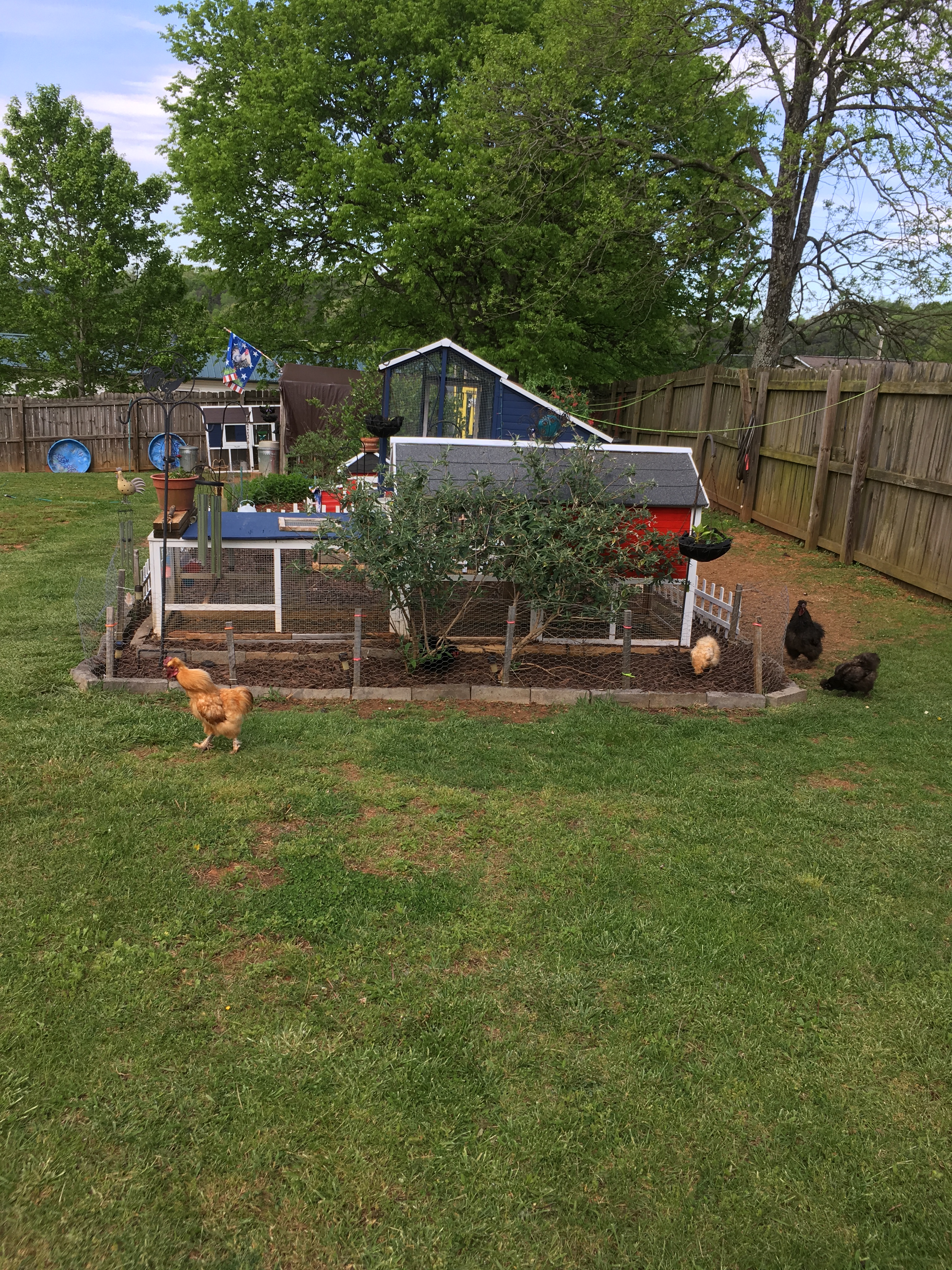

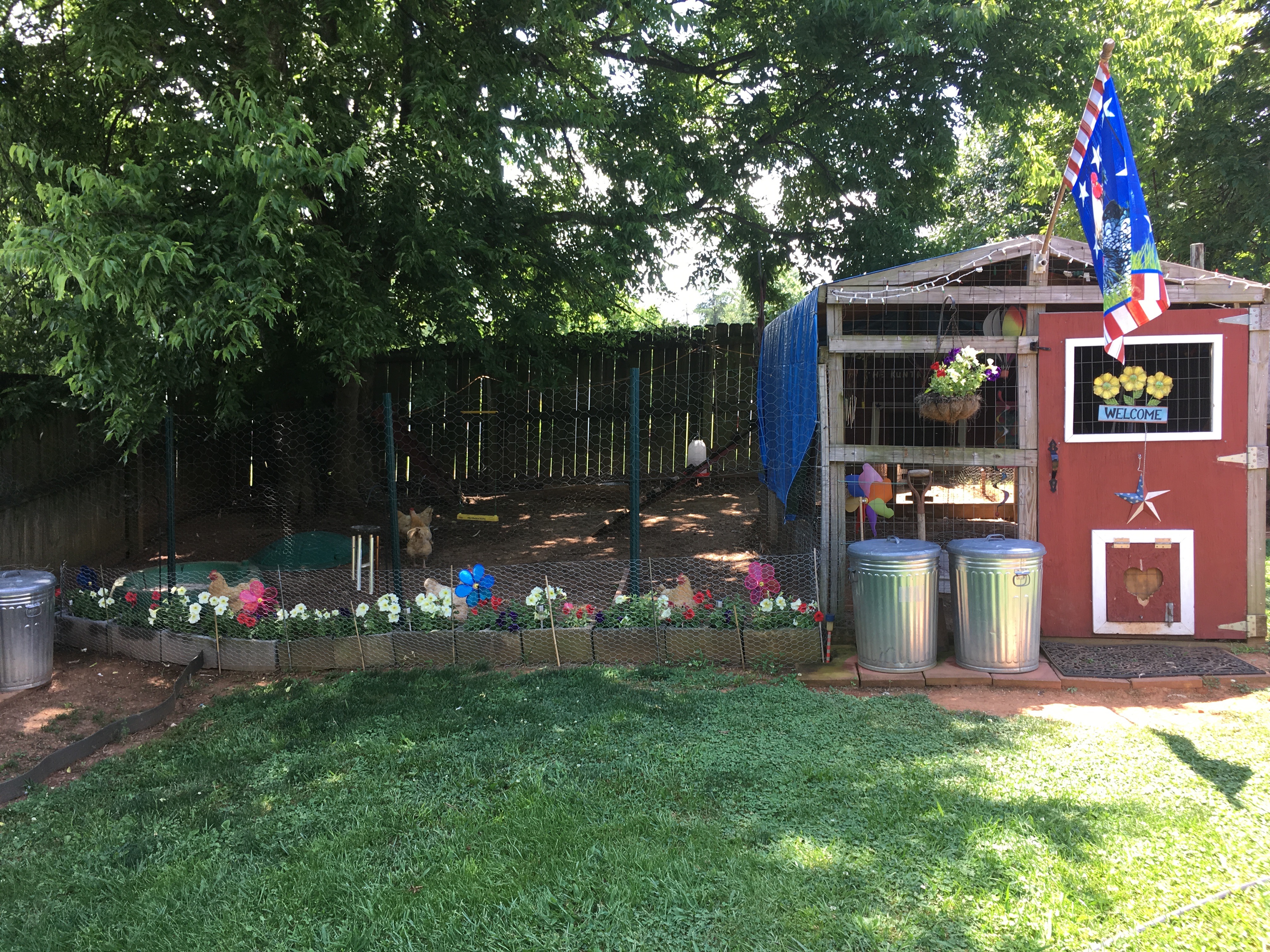

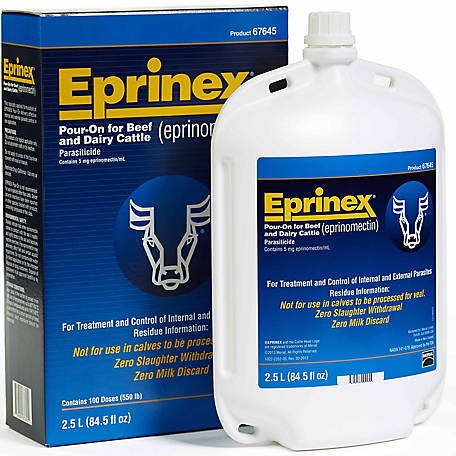
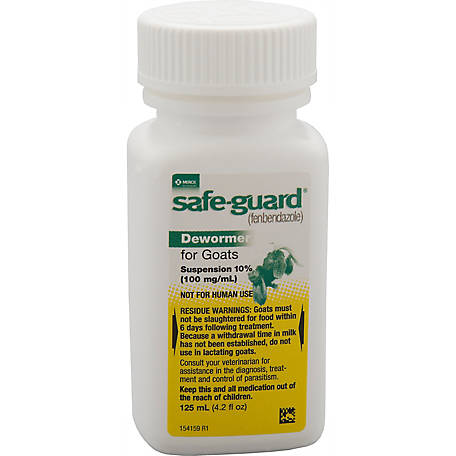

 The Kuntry Klucker

