Always greet the day with anticipation. Many great delicacies await.
2. Simplicity and a thankful heart are some of life’s greatest virtues.
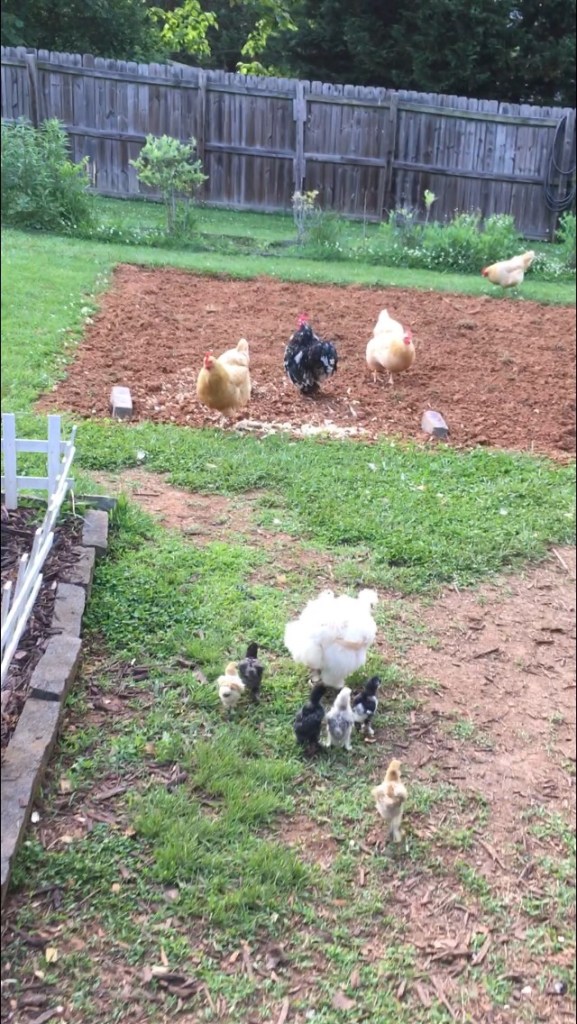
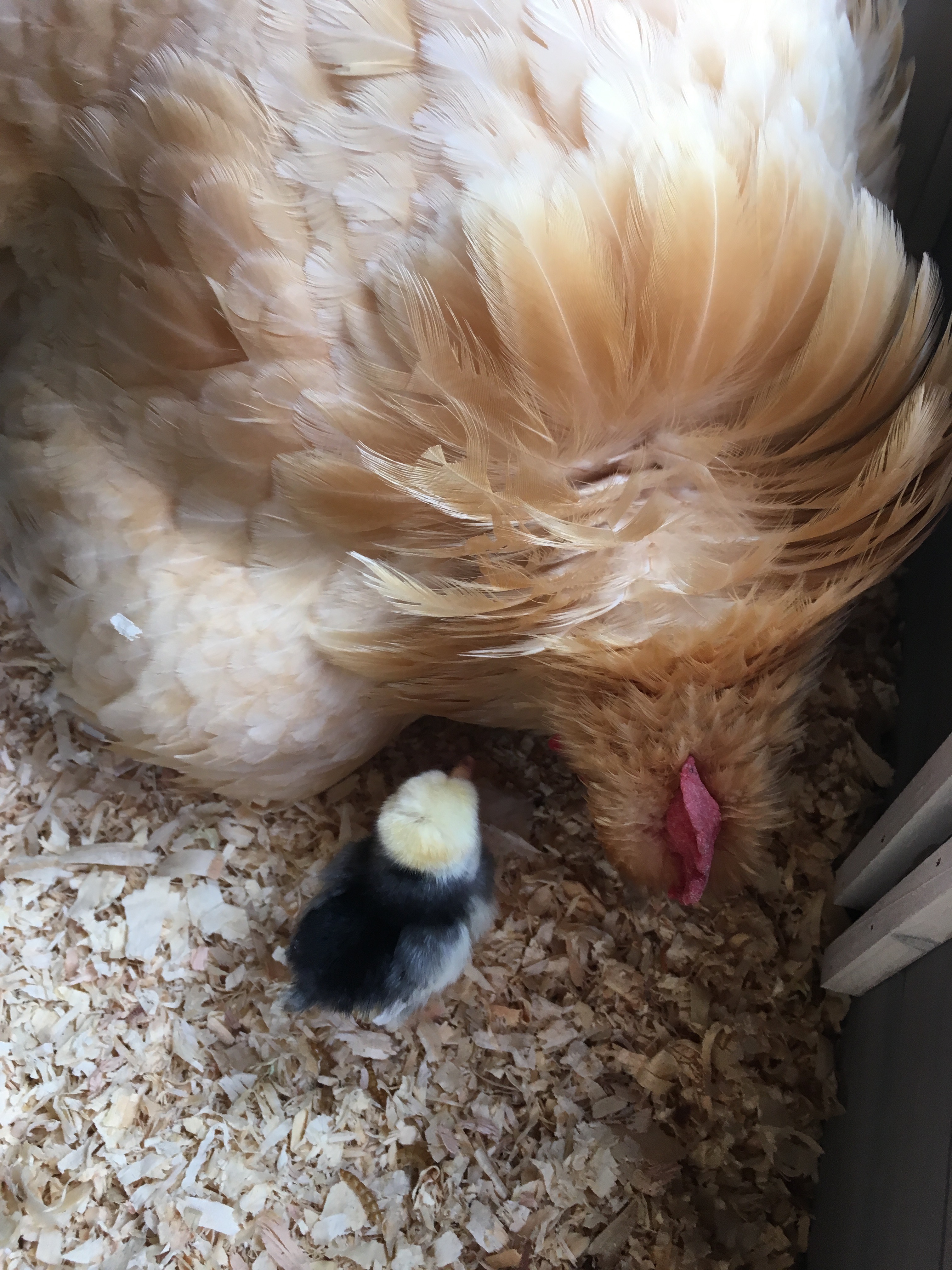
3. Bring up your young well. They are the next generation, and the key to your legacy.
4. When getting into mischief always make sure you have a buddy. Partners in crime always have more fun.
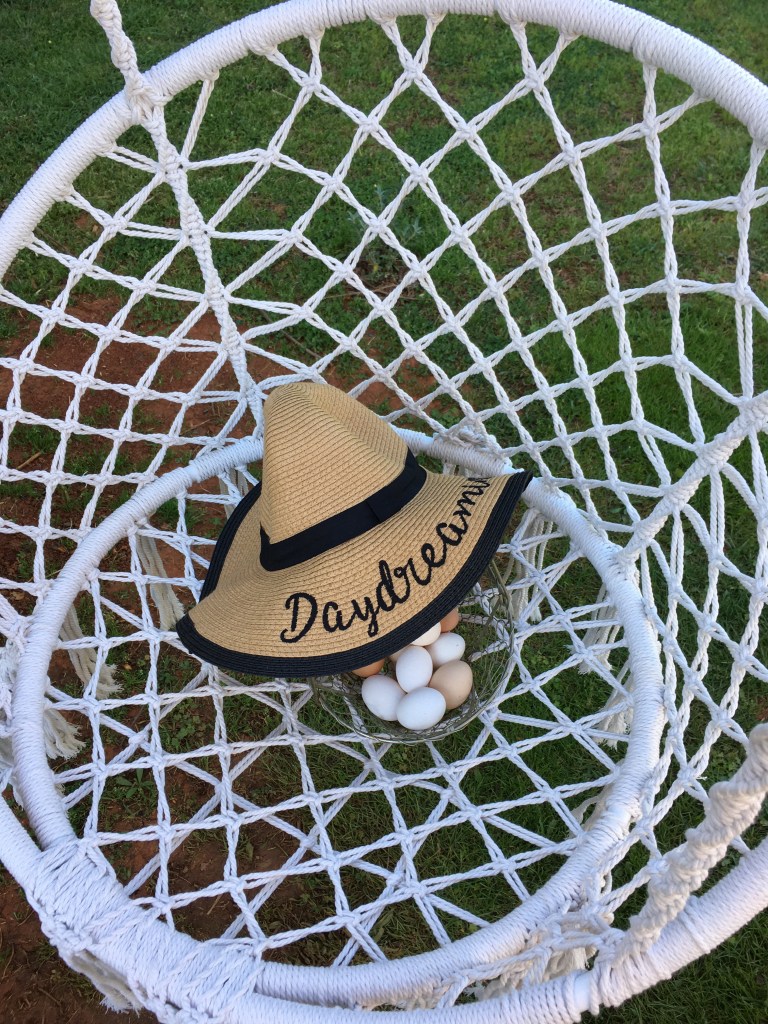
5. Make sure that you leave a little something for those who care about you. Giving is always better than recieving.
6. Try to appreciate the season of winter. Although bleak, it prepares the ground for spring flowers and other delectables.
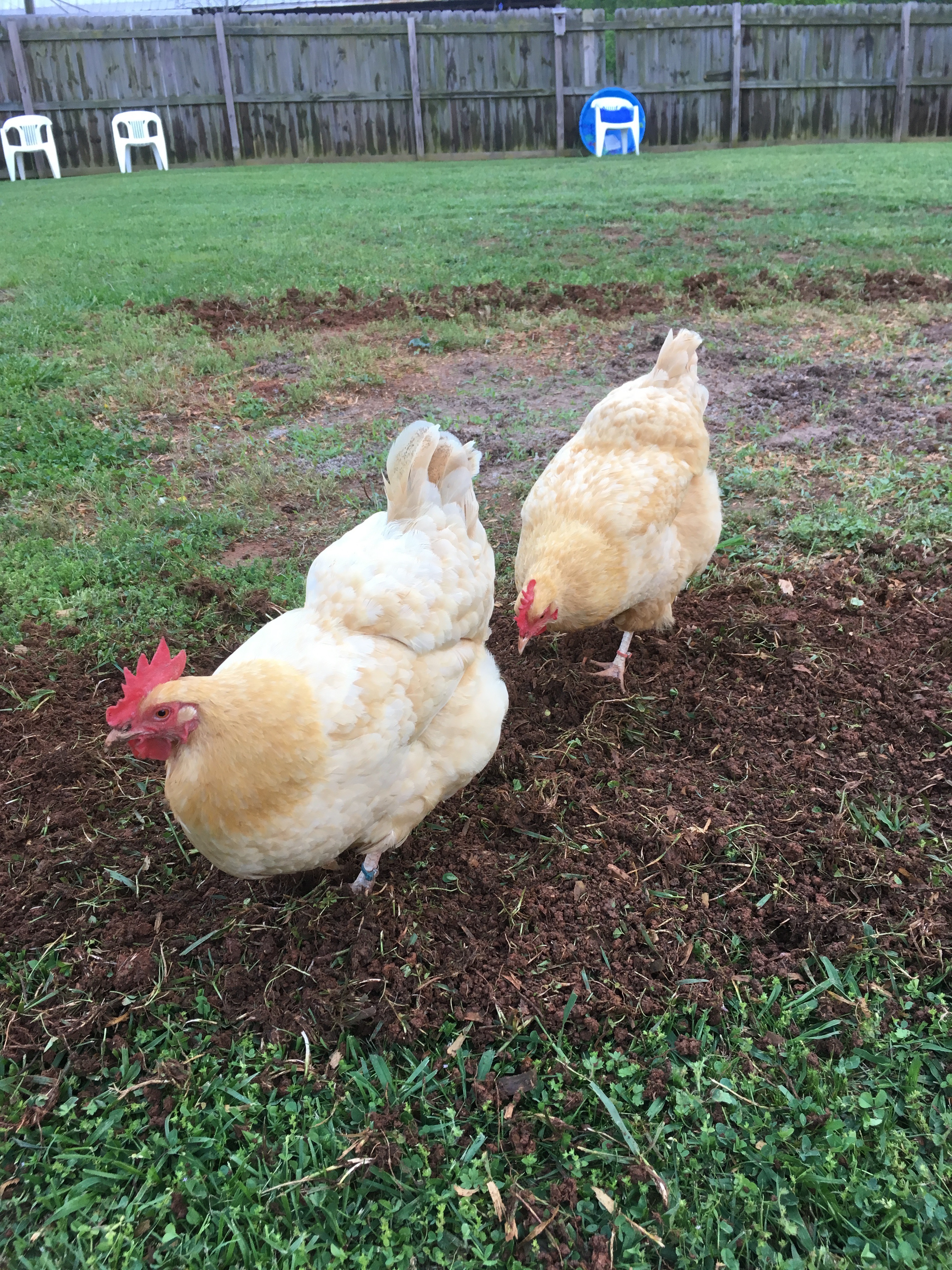
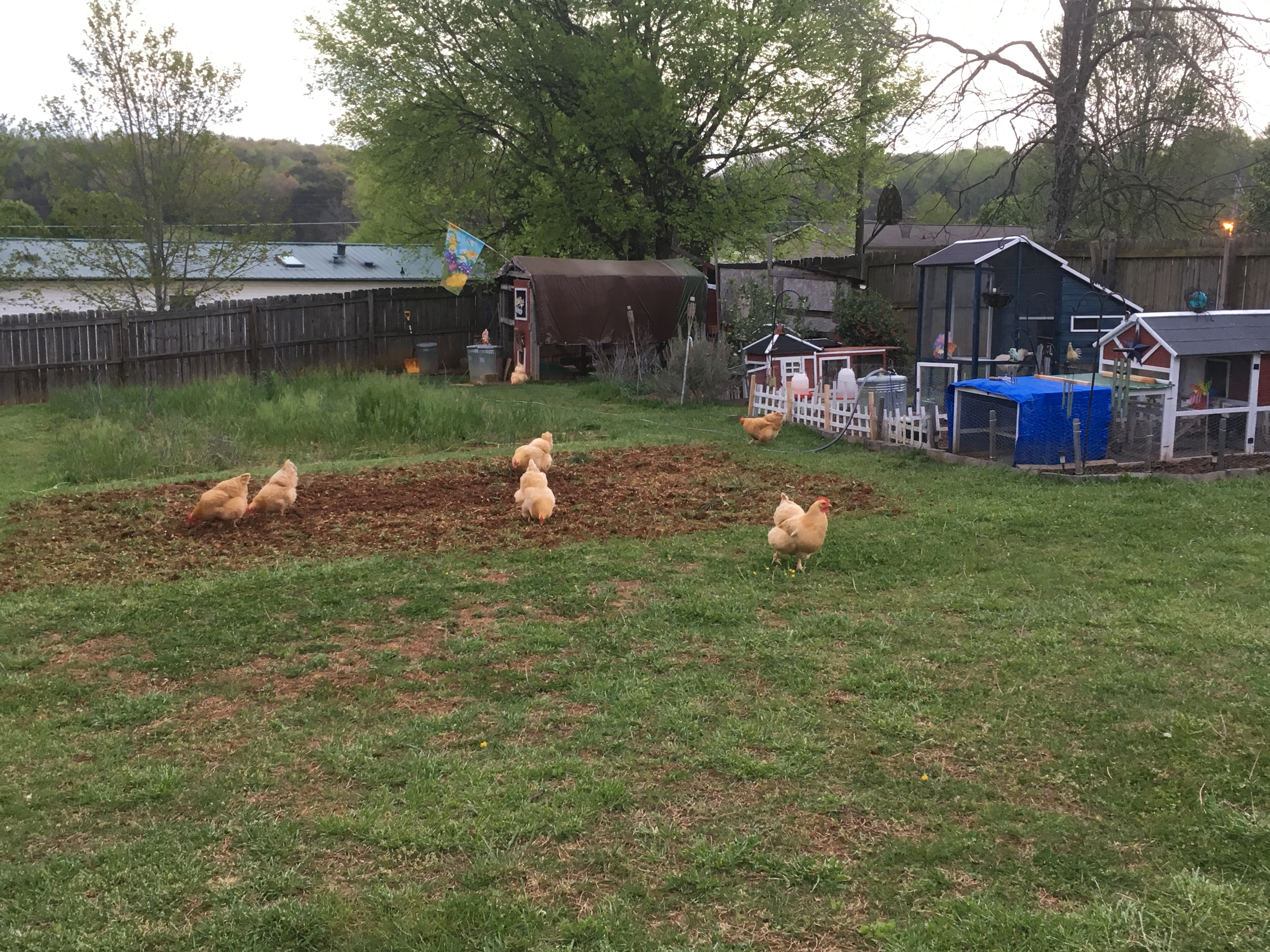
7. Tend your gardens well. A well groomed garden makes the heart sing.
8. Choose your flock wisely, they will be your groupies for life.
9. Make time for friends. Friends make the heart happy.
10. Above all, be like butterflies, they hold the key to true freedom.
Hens can teach you so much about the simple pleasures of life. They are simple creatures that require little. They are happiest when they are allowed to do what nature intended them to do.
I hope you enjoyed this lesson on the simple pleasures of hens. They can teach us many things if we just take the time to watch and learn.
I am a published author, multi-disciplinary writer, and web content creator. If you like this post, please visit my writing portfolio or other blogs.
Dirty vents are not only unattractive but a sign that something is wrong. In this post, I will discuss the reasons for dirty vents in chickens and how to treat conditions that cause this problem.
A healthy Buff Silkie fluffy bottom.
A chicken is not supposed to have a dirty vent; underlying conditions and environmental factors cause excrement to be runny, sticking to feathers surrounding the vent and causing a messy and unsightly situation. Some conditions are as simple as placing supplements in the water; others require a closer examination and treatment.
Worms:
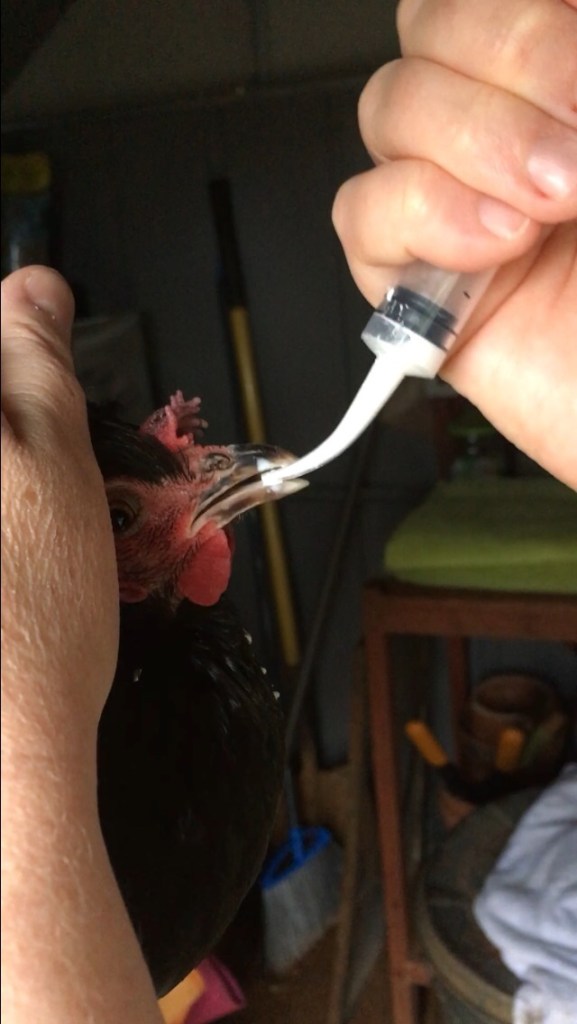
Treating worms in a bantam cochin hen with SafeGuard.
One of the most common reasons for dirty vents in chickens is worms. Intestinal worms wreak havoc on the digestive tract, causing malnutrition and dirty vents. Worm infections are evident in dropping.
A chicken’s body can withstand a baseline worm parasitic load without ill effects. Once the parasite load exceeds the point at which the body can manage the load, health problems will result. Worms visible in the droppings or on the dropping board when cleaning the coop are a reliable indication that the parasitic load has reached a critical point. At this point, it is advisable to treat the flock for worms. Once the flock has completed treatment, dirty vents associated with worms will resolve.
I have a post and YouTube videodetailing the correct dosage and procedure for worming a flock.
Mites and Lice:
Treating mites and lice in a Silver Lace Wyandotte Hen with Eprinex.
Like worms, mites and lice will deplete a chicken of energy, leaving them anemic and lethargic. Dirty vents are one of the first indications that an individual may be dealing with a mite and lice infestation. To determine if mites and lice are present, pick up the chicken and examine the vent area for small dark brown to red bugs crawling on the skin; these are red fowl mites and are detrimental to the individual. They multiply fast and will suck the lifeblood out of a chicken in a short about of time.
Lice live in the feathers of a bird and will cause dirty vents and extreme discomfort to the individual. Like mites, lice will congregate around the vent area, appearing as light brown or tan bugs crawling on the feathers. In a progressive lice infestation, bundles of eggs will be visible on the quill near the skin.
Treatment for mites and lice is simple and requires one topical product to address both parasites. I have a blog post and YouTube Video demonstrating the correct dosage and procedure for treating mites and lice using my flock as examples.
Egg laying Issues:
Silkie eggs on a nesting pad.
Egg-laying issues such as soft-shelled eggs can result in dirty vents in hens. During the formation of the egg, reproductive medullary bone deposits form the shell around the yolk cell. When the calcium supply in the hen’s body is low, soft-shelled eggs cause the egg to break during the laying phase.
Adding supplemental calcium to the flock’s diet will address soft-shelled eggs. Most poultry feed contains calcium for hard shells that the hen’s body uses quickly. Oyster shells available at farm/feed stores add valuable long-absorption calcium that the hen’s body will process over 24 hours, providing the resources for hard shells that do not break during laying.
Oyster shells for stronger eggshells.
Offer oyster shells in a separate container in the pen or where the flock eats. The hens can determine the amount of supplemental calcium their body requires and will consume from the available oyster shells. Keep oyster shells available for laying hens during active laying periods. The hen’s body will use the long-absorption calcium to produce hard eggshells, reducing dirty vents.
Heat-Related Issues:
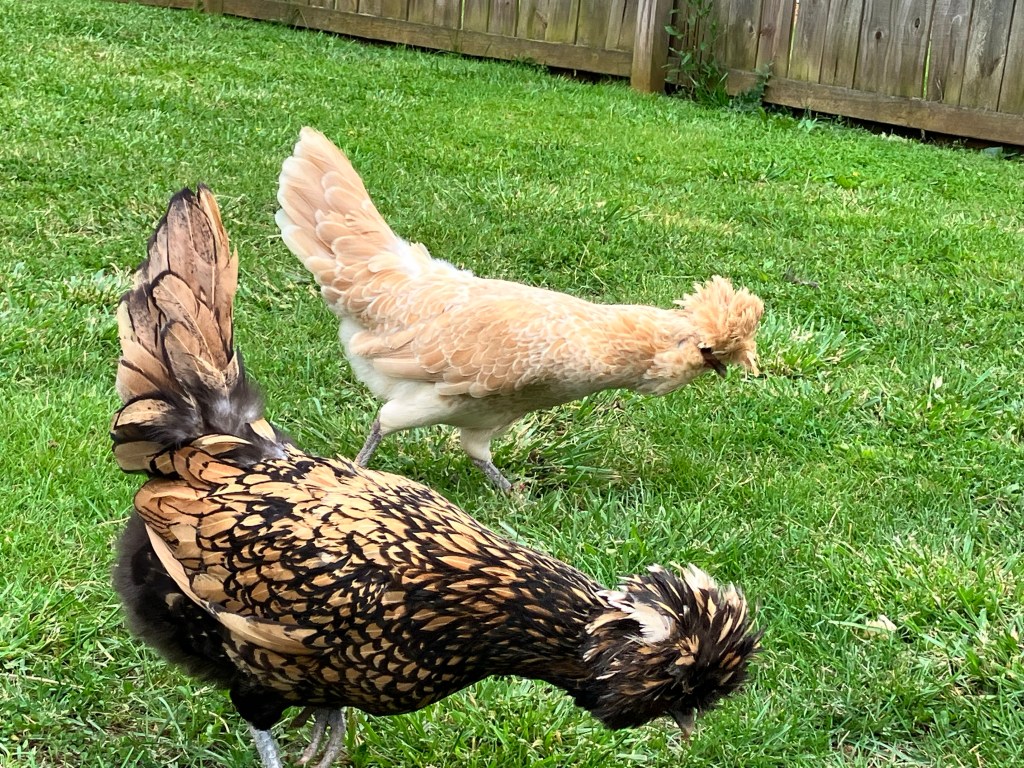
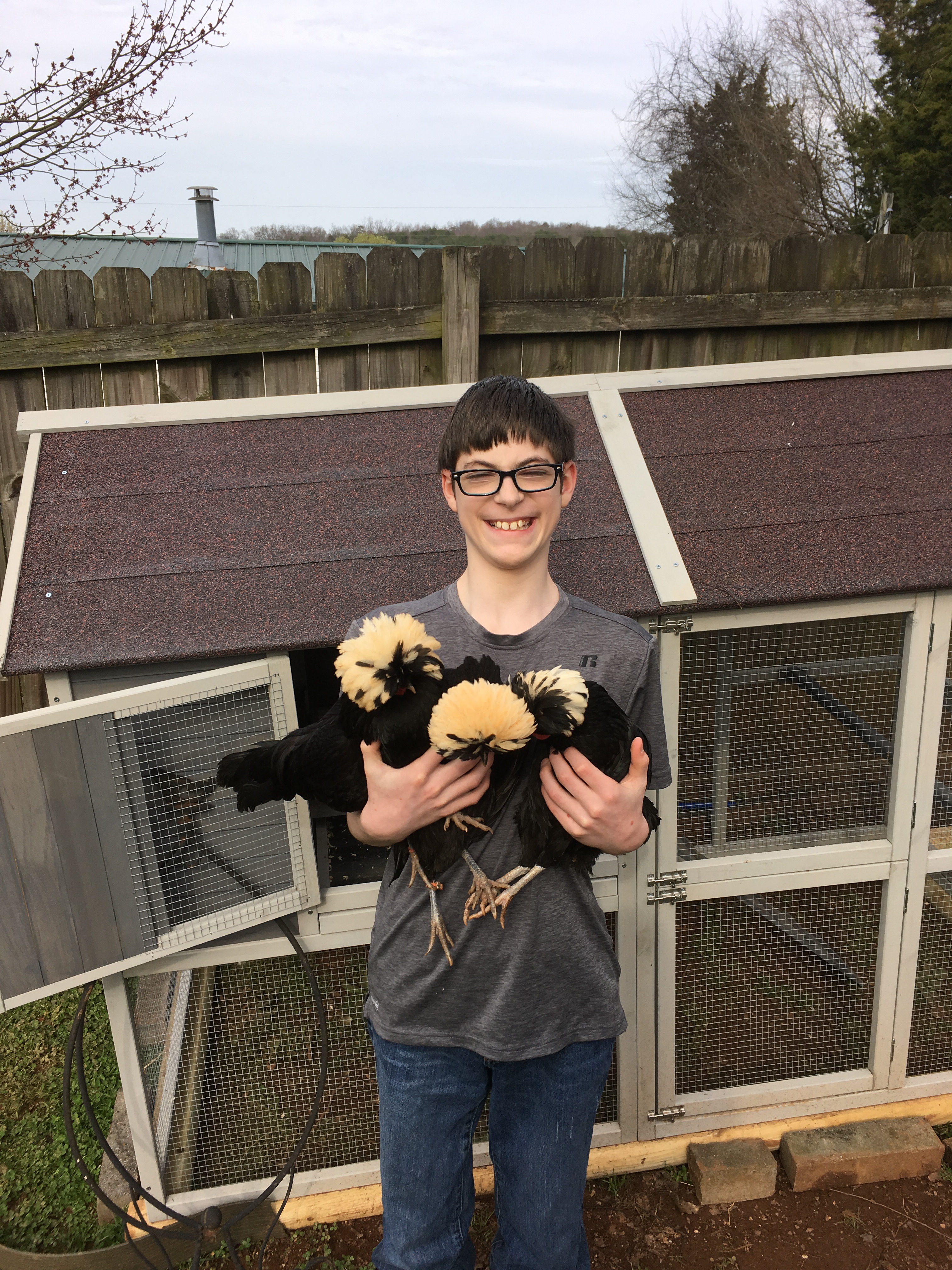
Apollo and Aphrodite (White Crested Polish hens) enjoying a summer evening sampling from a pot of marigolds.
A hen will drink more water during excessive heat and high humidity. The unbalance in the gut biome results in loose excrement and dirty vents. Adding electrolytes and probiotics to the flock water will address this issue. Not all electrolytes are alike; purchase a probiotic marketed for use in poultry. While watermelon and cucumbers are a nice treat for a hot summer day, they lack the essential electrolyte balance that a hen’s body needs during extreme heat.
A product I readily provide for my flock is Rooster Booster Vitamins and Electrolytes, found at Tractor Supply. Containing Lactobacillus, this product promotes a balanced gut biome during extreme heat. Since I have started using this, dirty vents due to summer temperatures have notably decreased.
Vent Gleet:
Unlike parasitic or environmental causes, vent gleet is an inflammation of the cloaca (the vent), causing an unsightly condition called cloacitis. The most obvious symptom of cloacitis is a yellowish discharge from the vent that sticks to the feathers around the vent area and presents with a foul odor. In addition to the aforementioned, a hen will have a bloated abdomen, and the vent area can appear red and inflamed.
Treatment for vent gleet involves a two-pronged approach with probiotics – Rooster Booster administered in water mentioned above – and anti-fungal cream. Begin treatment by isolating the affected hen from the flock. Wash the vent area with warm water and mild soap to remove the debris and dried excrement from the feathers. Carefully cut away feathers from the vent if necessary.
Monistat 7-day cream – treatment for yeast infections in women – works well for vent gleet in hens. For hens, apply a pea-sized amount of the cream externally around her vent daily. Repeat for 5-7 days or until the redness has subsided around the vent. Continue to keep the hen in isolation for treatment till her condition improves. In my experience, vent gleet treated with probiotics and anti-fungal cream will resolve in two weeks.
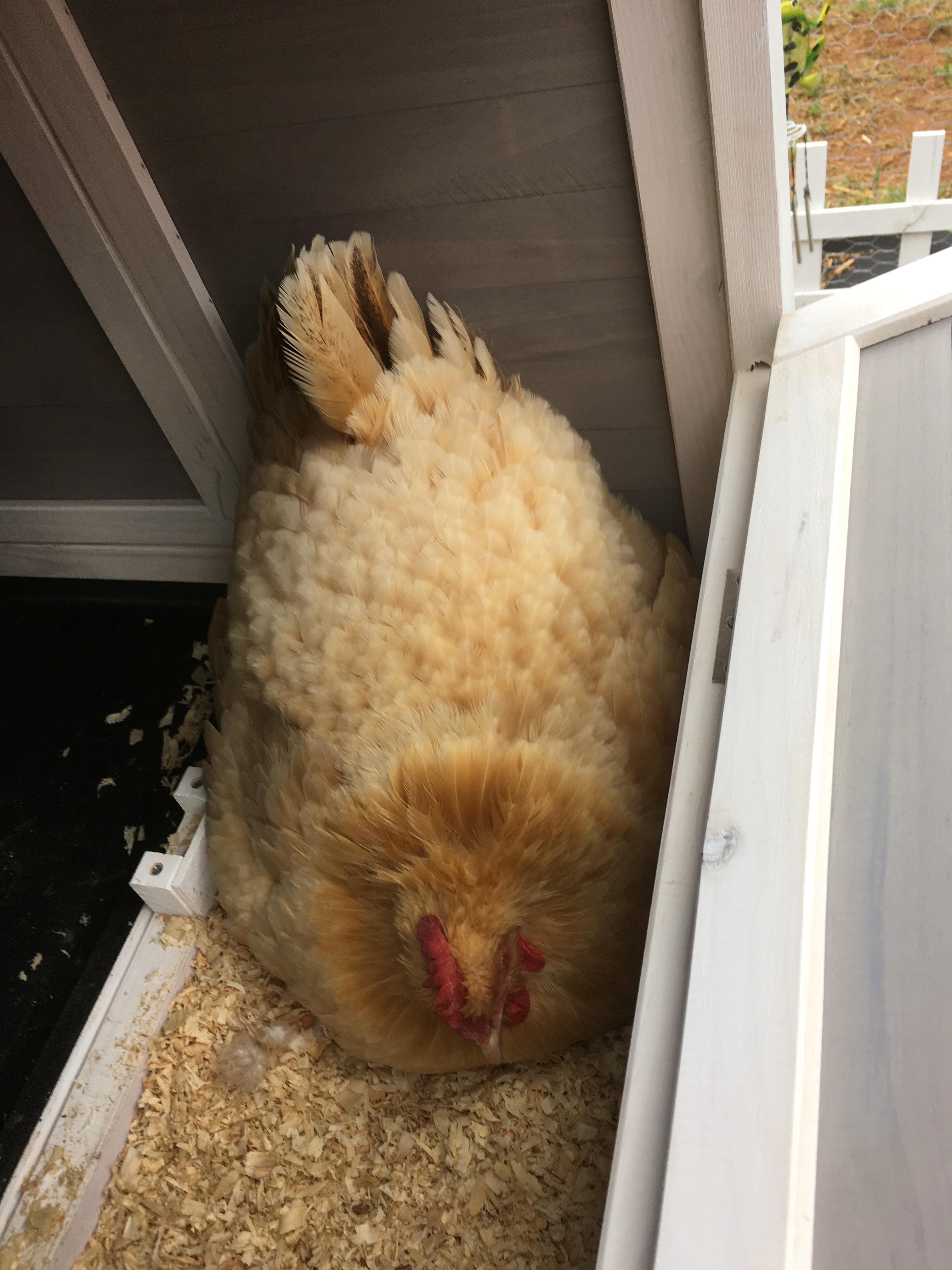
Buff Orpington hen’s healthy fluffy butt.
I am a multi-disciplinary writer, published author, and web content creator. If you like this post, consider visiting some of my other blogs.
If you have any questions or comments, please leave a comment or reach out to kuntryklucker@gmail.com. I check my email daily and will get back to you as soon as I can.
Thanks for reading! Till next time, keep on crowing!
When acquiring a flock of backyard chickens most people are excited about the farm fresh eggs they will be collecting. Not much thought is given to what to do after hens no longer lay regularly. Laying hens only associated with egg production has been drilling into our conscious.
The hens for production spend their entire life in small cages then are slaughtered between 18 months and 2 years, they are deemed unproductive at that point. It has become common knowledge that after the age of 2 hens no longer lay eggs and are worthless. I am here to challenge this presumption.
In this post, I intend to prove that hens are worth much even beyond their laying years. A hen does not lose her wroth just because she no longer lays eggs.
It is of popular opinion that hens will only lay for 2 years. After this point they no longer lay and are nothing more than chicken stock in terms of value. This is not true. The truth is that once a hen starts to lay eggs, she will lay dependably for the first two years. After that point, she still lay, but not to the tune of one egg a day as she did in her earlier years. A hen will lay eggs for as long as she lives.
Every hen is born with approximately 1000 yolk cells. These are all the potential eggs that she will lay during her entire life. The first two years of her life she will lay at the most regular intervals. A productive laying breed such as the Australorp, Orpington or Rhode Island Red will lay about 3-5 eggs a week. That is about 156 to 260 eggs a year. So, for the first 2 years of her life, she will have laid approximately anywhere from 315 to 520 eggs. Assuming that she is born with 1000 yolk cells (as most laying breeds are), this means she has only layed a little more than half of her total egg potential.
Now, just because she is over the age of 2 does not mean that she will no long lay eggs. She will, she may lay 2-4 eggs a week instead of her initial interval of 3-5 eggs a week. She keeps laying eggs but slows down a bit. As she ages, she will slow down even more. If she makes it to 5 years of age you might expect to get 1-3 eggs a week. As she progresses even further in age, you can probably count on 1-2 eggs a week.
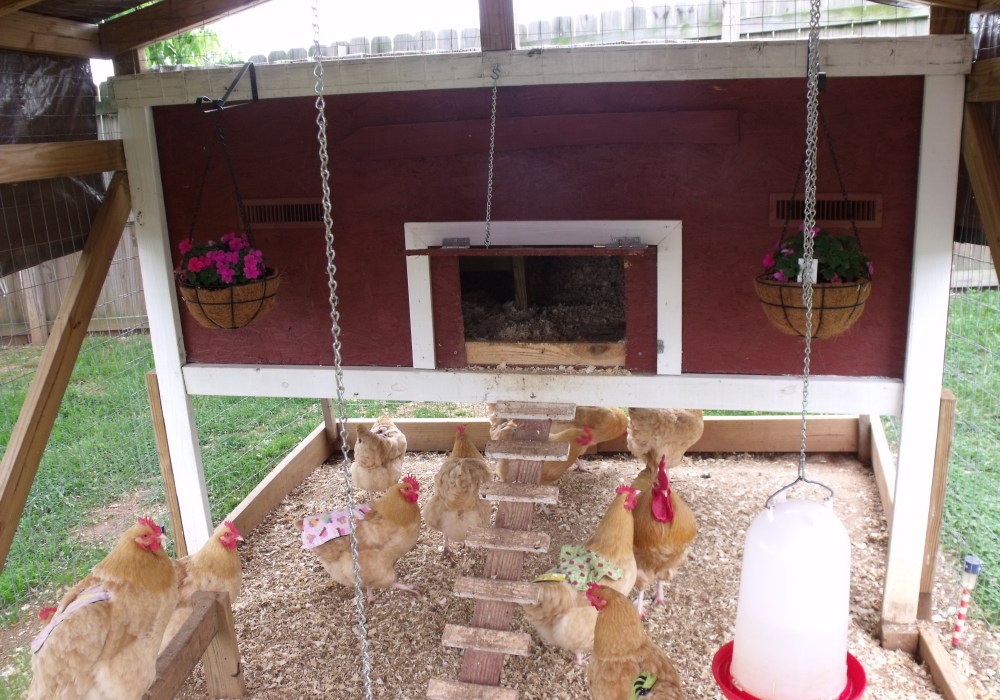
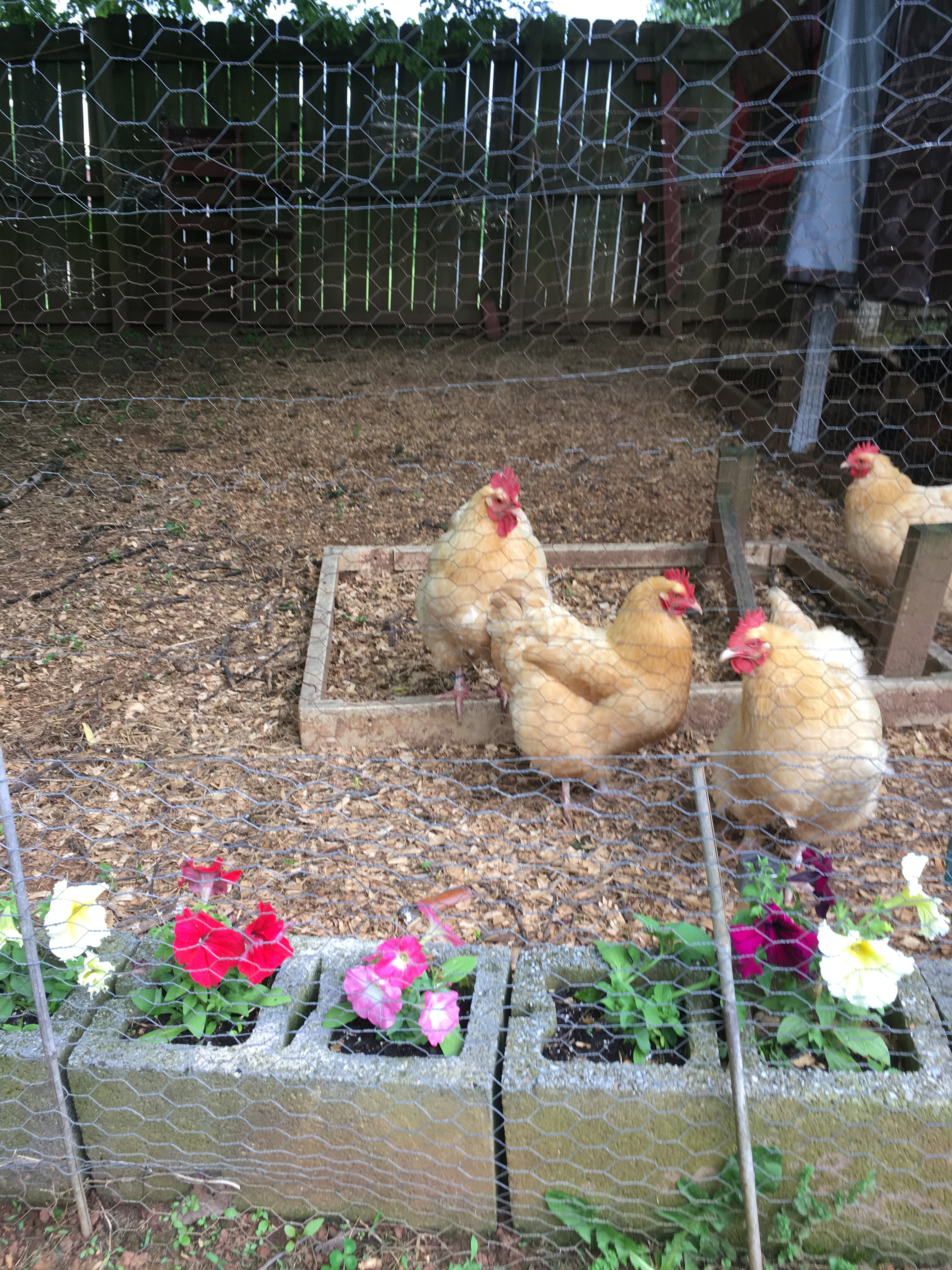
I currently have 5 Buff Orpington 10 years of age. The life expectancy of an average backyard chickens is anywhere between 5-7 years. If well cared for they can reach 10+ years. For a backyard hen to make it past the age of 7 defies most odds. To reach the mile mark of 10 years and beyond is rare. This past May, my 5 “Golden Girls” officially reached this 10-year milestone. Even at this age, my 5 Buff Orpington girls still lay. During the summer when bugs and other delectables are at the most abundant, I can count on about 2-3 eggs a week from my 5 senior ladies. Some will lay on a particular day, others will not. But as a general rule, during the time of the year when the days are long, warm and bugs are plenty, they will lay well. When fall arrives, the days shorten, and the weather cools off. During this cooler part of the year, they typically slow down to maybe 1 egg a day from the 5. During the coldest part of winter, they will cease laying altogether. Their bodies are using egg laying resources to keep warm in the bitter weather. This is just not observed by older hens but all hens. However, in the spring as the days warm again and the sun returns to our sky, they will pick back up the pace to 2-3 eggs a week.
Even at their advanced age, they still lay eggs. The assumption that a hen will only lay for the first 2 years of her life is unfounded. She will lay eggs till the day she dies.
So really, the question is not will they stop laying eggs, but what to do after hens pass their peak laying years. In the factory farm setting, after 2 years of age, the hens are sent to slaughter and a new batch is brought in. Although these girls still have plenty of laying years ahead of them, they are nonetheless considered expired and slaughtered. These ladies’ barley begun their lives when it was abruptly halted. For the backyard chicken keeper this is not the normal proceedings. We tend to hang on to our ladies well beyond two years of age.
The question then becomes, what to do with our hens that are so advanced in age that they no longer lay eggs. My 5 “Golden Girls” are not far from this point. I expect next year I will have collected the last egg from my Buff Orpington ladies. At this point I will consider them officially in “Hentirement”. Hentirement is the time in a hen’s life where she has officially stopped laying but still has much to offer beyond eggs.
Here on The Kuntry Klucker Farm, all may ladies and gents will live out their natural lives under the loving care of their keepers. Just because a hen stops laying eggs does not mean that she is worthless. Hens can contribute in many ways beyond the humble egg.
So, what can a hen who has reached “hentirement” offer you may ask. She can produce in many ways. For example, I have found that my older hens make excellent mothers. Since they no longer have to use their energy for laying eggs, they focus their efforts elsewhere. I have found that when I bring a new batch of chicks to the backyard, my older ladies are the first to show them the ropes. Taking them to all the hot spots around the yard, dust bathing holes, water coolers, good sunbathing location, the feed buffet, introducing them to the best roosters and more. My older ladies have even adopted a few chicks and raised them for me. To read this story click here.
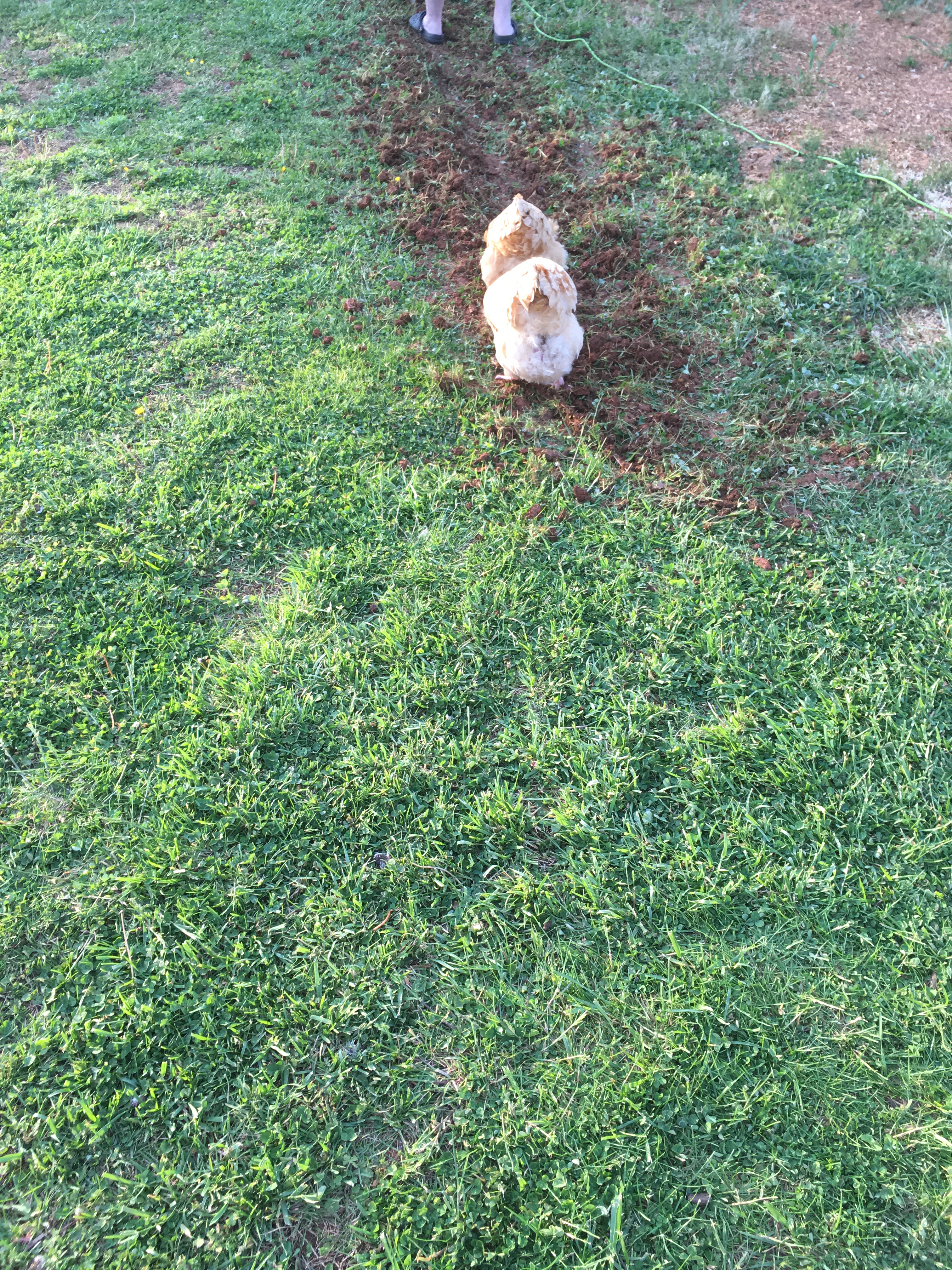
Older hens, although no longer laying, still offer all the benefits of having chickens. Providing compost for the gardens, eating the bugs on garden plants, tilling the soil and ridding the yard of all available weeds.
Additionally, I find that my older girls make the best lap chickens. No longer distracted by the needs of egg laying, they become better companions. Instead of focusing on the necessities that go with egg laying, they have more time to spend and bond with their keeper. Thus, my older ladies are the lap chickens of the flock. Not only is it adorable to be claimed by the hen, but the younger generations also see this and model their behavior. Thus, my subsequent broods are friendlier and more personable towards their keepers.
Finally, an older hen who has seen and lived through it all are the Zen masters of the flock. No longer spring chickens learning the ropes of life, they are the pros of what it means to be a chicken. My older girls are the calmest members of the flock, nothing surprises them. They know the dangers of life and help others avoid them. They know and roll with the changing seasons and weather patterns. They are the wisdom barring members of the flock.
Above all, they deserve all the honor and respect that is due them. They nourished me with their life during their laying years, it is my turn to nourish them during their twilight years. My older girls are the gems of my flock. They shine bright as they have been polished by the trials of life. For a backyard chicken to make it to the ripe old age of 10 is a feat that defies all the odds. I don’t know how much time they have left but I do know this; they will live the rest of their life grazing on bugs and bathing in the sun glistening like the gems they are.
I hope you have enjoyed this post. Hopefully, I offered suggestions on how your hens can be productive past their laying years. It’s a personal decision for each and every chicken keeper. For me, allowing my ladies to live out their post laying years in “hentirement” is the decision I have made for my ladies.
The girls and I want to wish everyone a Merry Kluckmas and an egg-cellant new year!
I am a published author, multi-disciplinary writer and blog contributor. If you like this blog, please visit some of my other sites.

 3. Bring up your young well. They are the next generation, and the key to your legacy.























 The Kuntry Klucker