
Backyard Chicken Health Inspection Guide: Preventing Illness in Your Flock

Performing routine health inspections on chickens is essential and a prerequisite for a healthy flock. Like a check-up at a physician’s office, health inspections for chickens are much the same. Catching problematic pathologies before they occur requires routine health inspections.
I will discuss the process and procedure for conducting successful health inspections in a backyard flock. Beginning at the head down to the body and tail, I will include all the vital indications to prevent illness in the backyard flock.
Head, Eyes, Comb, and Waddles:
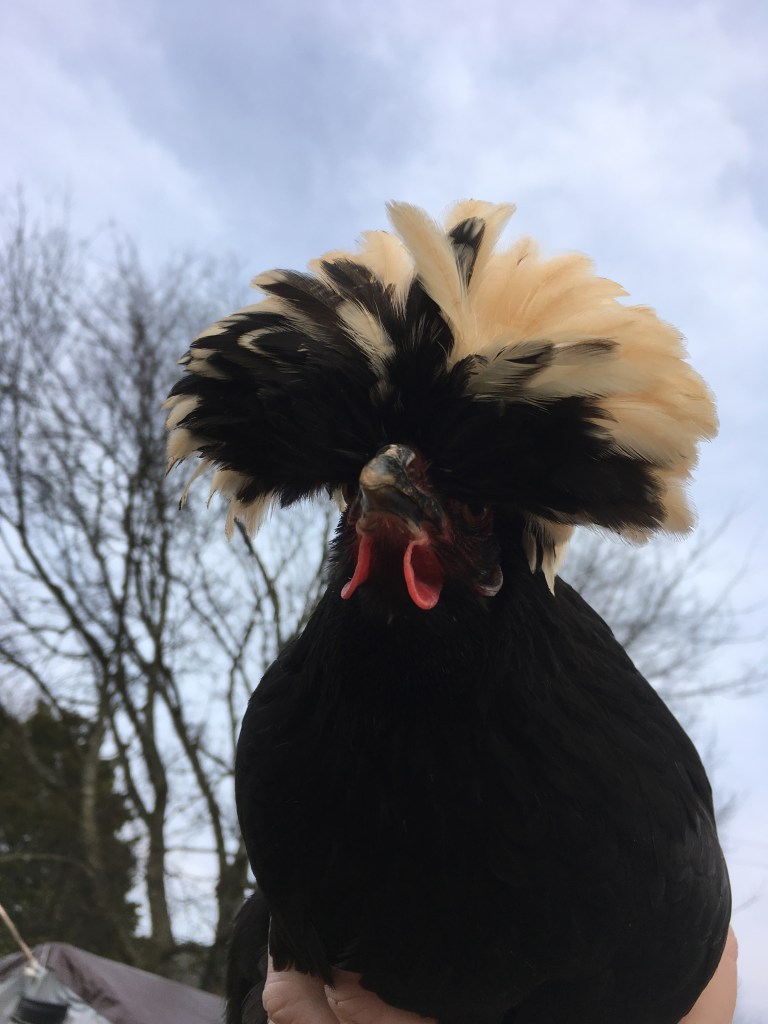
Starting at the crown of the head, inspect for mites and lice on the individual. If mites and lice are present treatment will be required. The eyes should be clear and free of debris. If crusting is present around the eye, gently wipe it away with a paper towel moistened with clean, warm water.

The comb and waddles should be red and warm to the touch. Dried blood or pecking marks indicate flock disharmony and bullying. Monitor the flock and take appropriate actions to rectify the problem by isolating the bully or establishing a bachelor pen if roosters are sparring.
Legions or sores indicate fowl pocks (a common virus) or parasites such as fleas or ticks. Treatment with Eprinex will clear up external parasite infections. I have a video on my YouTube Channel showing my methodology to treat external parasites in my flock.
Neck:
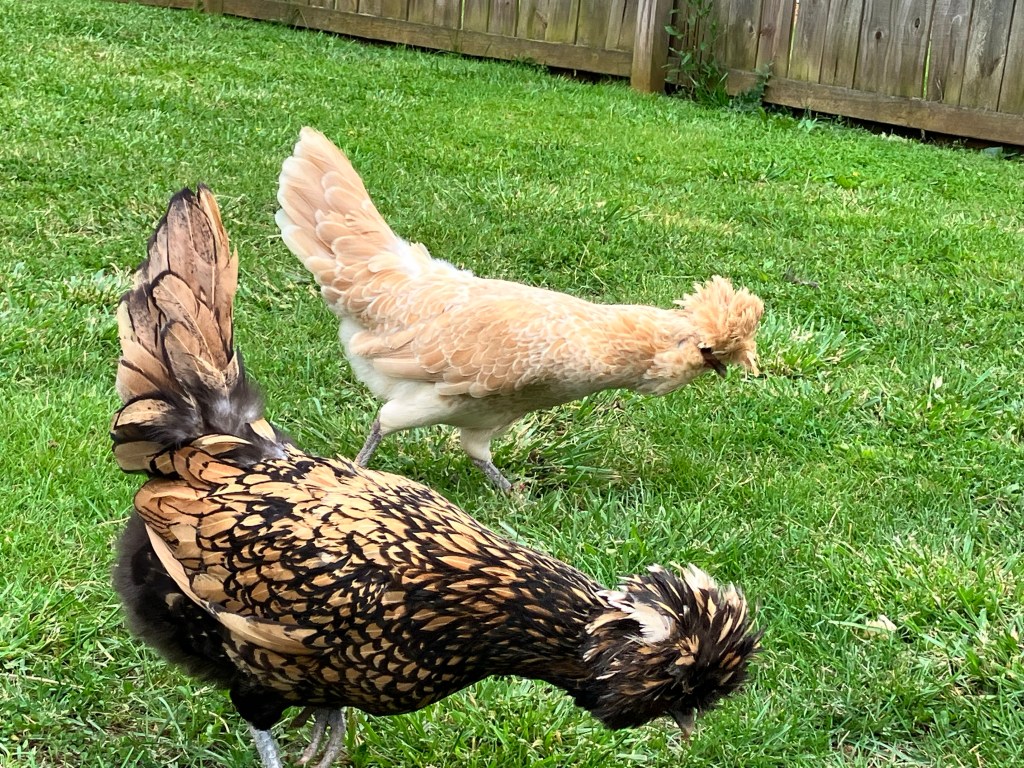
Moving down the body, examine the neck of the bird. Feathers should be clean, and the base of the shaft should be visible. If clumps or residue surrounding the base of the quill is noticed, this indicates the presence of lice. Treatment with eprinex is warranted to address these external parasites.
Wings:

The wings of birds are among one of the favorite places for external parasites to congregate. Due to the warmth and protection from disruption, mites and lice can live rent-free. Parting the feathers and exposing the skin, tiny moving dark spots indicate red fowl mites. These small parasites feed on the host’s blood and must be addressed. Again, Eprinex works very well to address and abruptly stop a mite and lice infestation on the bird.
Tail and Vent:

Like the wings, the vent is a favorite place for mites and lice to congregate. Due to the inability of the bird to preen this location, mites and lice will multiply unencumbered. Treatment for external parasites will rectify the infestation.
If the vent area is dirty or caked with dried or wet excrement, this indicates worms. Left untreated, intestinal worms will weaken and eventually cause death in affected individuals. Natural wormers such as Diamateous earth, pumpkin seeds, or apple cider vinegar will not address a high worm load in chickens. Worm infections should be treated with products developed to kill worms and the eggs in the intestinal tract. Another indication of worms is finding roundworms on the poop boards or worms visible in the eggs. See the video on my YouTube Channel using my flock to demonstrate proper dosage and administration.
Shanks, Feet, and Toes:

The shanks (legs) of the chicken should be neat; the scales should lie uniformly. Uplifted scales are a sign of leg mites and can be addressed by soaking the legs in warm Epsom salt, followed by applying Vaseline to the legs to smother the mites. Treatment with Eprinex is also helpful in advanced infestations.
The pad of the foot should be clean and without puncture wounds or signs of trauma. If a round scab is present on the foot, this is bumblefoot and can be addressed with simple steps to remove the corn (infection) and wrapped in gauze and vet wrap for healing. Bumblefoot is common in backyard flocks and not necessarily a reflection of poor flock management. For instructions on how to treat bumblefoot, please see my blog post on treatment in my flock.

Use caution when treating bumblefoot as these infections are usually staph infections and zoonotic (passing from one species to another) and can affect humans. Medical gloves and masks for treatment are recommended. Sanitize all instruments with bleach to kill any bacteria before storage.
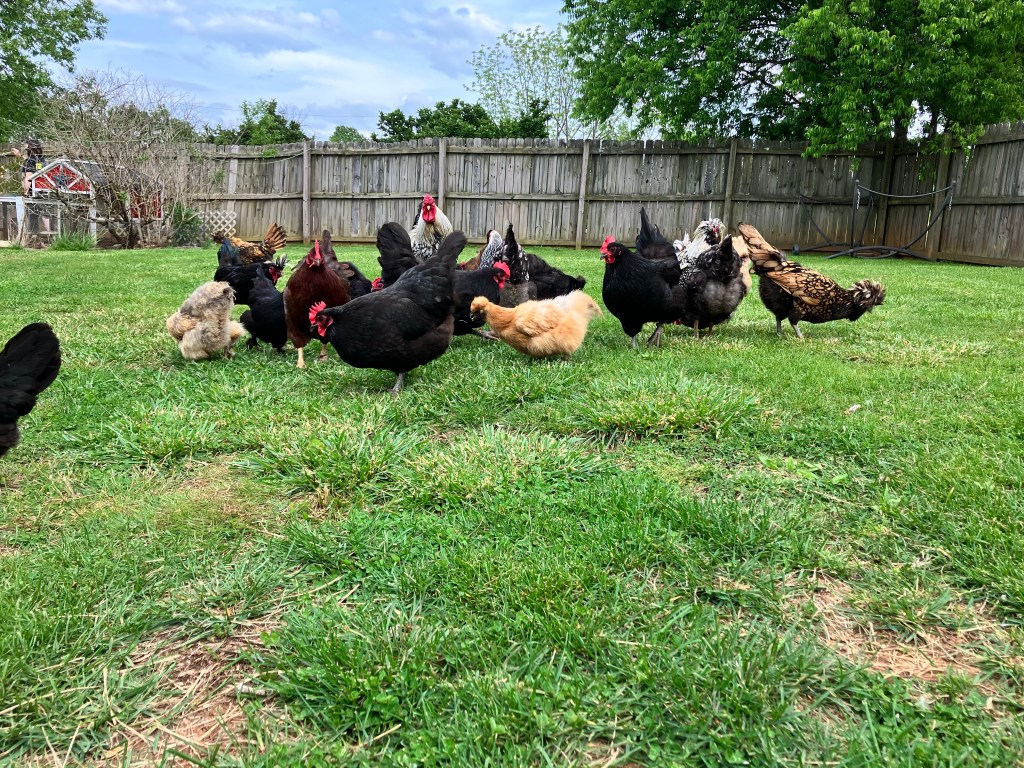
Routine health inspections are key for proper flock husbandry as problematic illnesses can be caught early and prevented through preventative efforts. For more information on caring for backyard chickens, please visit my YouTube Channel.

I am a multi-disciplinary writer, blogger, and web content creator. To see more of my work visit my online writing portfolio and other sites.

Coffee and Coelophysis – A blog about dinosaurs!

The Introvert Cafe – A mental health blog
As always, thanks for reading. Till next time, keep on crowing!

~ The Kuntry Klucker Crew ~








 The Kuntry Klucker