Keeping Multiple Roosters in Your Backyard Flock.

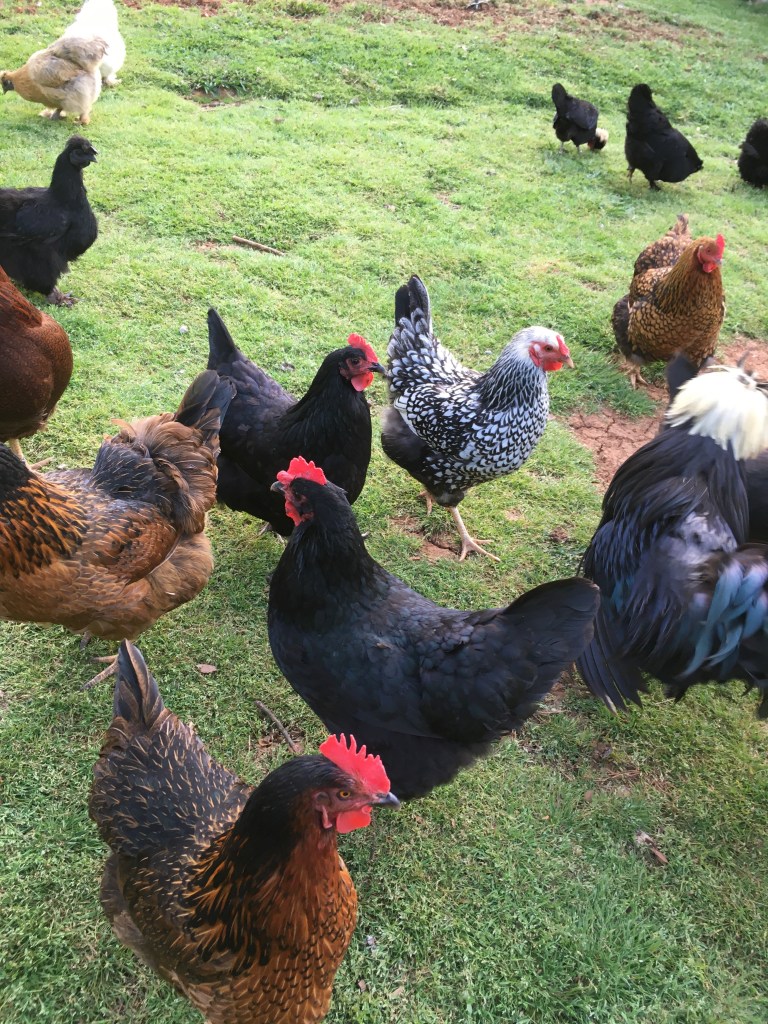
Contrary to popular opinion, keeping multiple roosters in a flock is possible. It is a misconception that only one rooster is best to oversee your flock. However, in order for multiple roosters to live peacefully, several requirements need to be meet. In this post, I am going to show you how my 13 roosters cohabitate while presiding over their girls. I will demonstrate these principles featuring my gents.

Smoug and Lestat:

The Kuntry Klucker

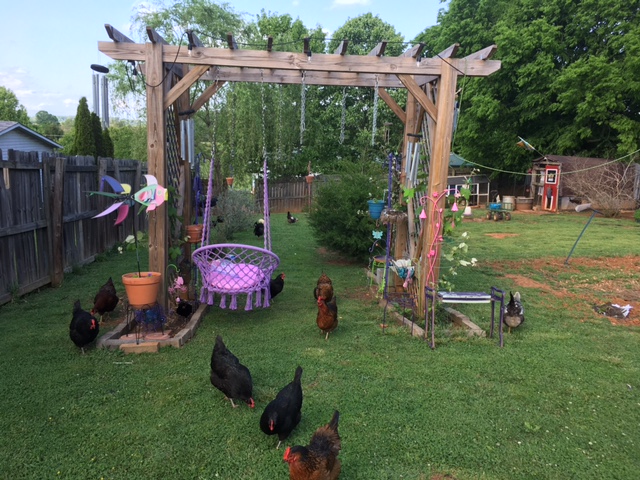
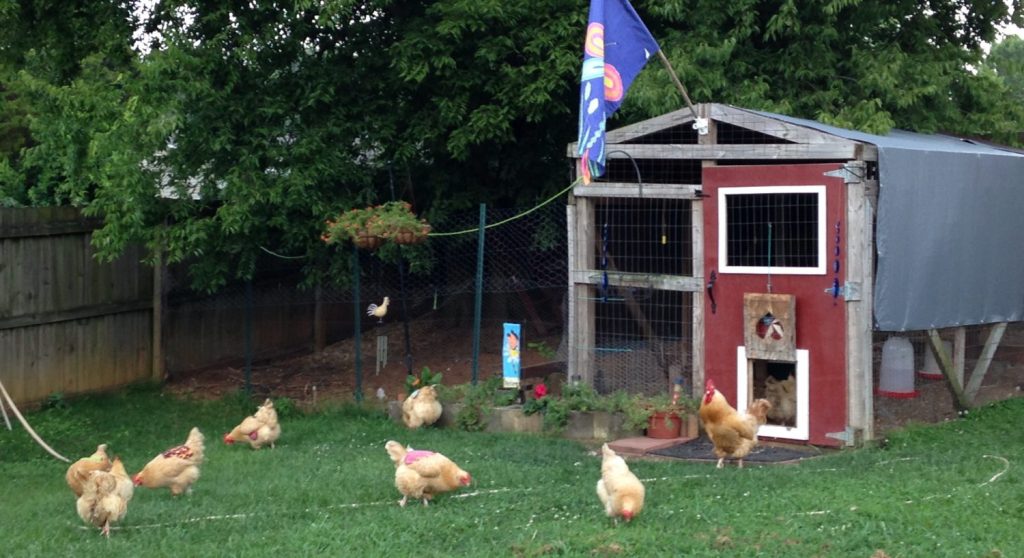
Smaug and Lestat live in the Kuntry Klucker. Each of the boys have their assigned hens and know which hens belong to whom. While they roost in the Kuntry Klucker at night, they free range during the day. The largest of my roosters, this rooster duo get along very well. Confrontations are minimal, giving way to mutual respect. Smaug and Lestat are at the top of the pecking order in the flock, assuming the Alpha and Beta positions. The remaining subjugated roosters answer to these gents. Despite their size and position, they are gentlemen, good to the ladies, and kind to their humans. Neither of these boys have ever shown any signs of aggression.

Enigma and Link:
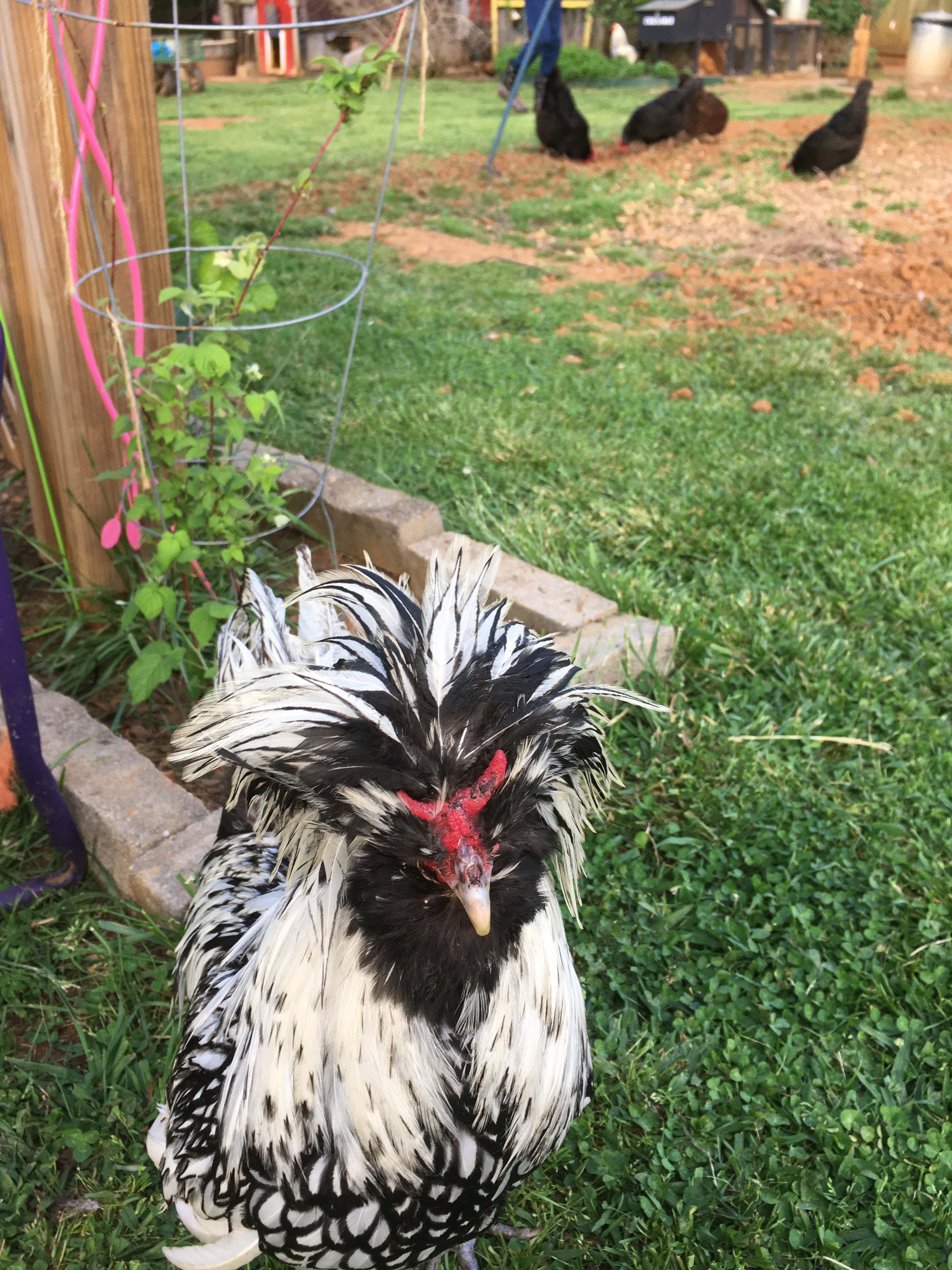
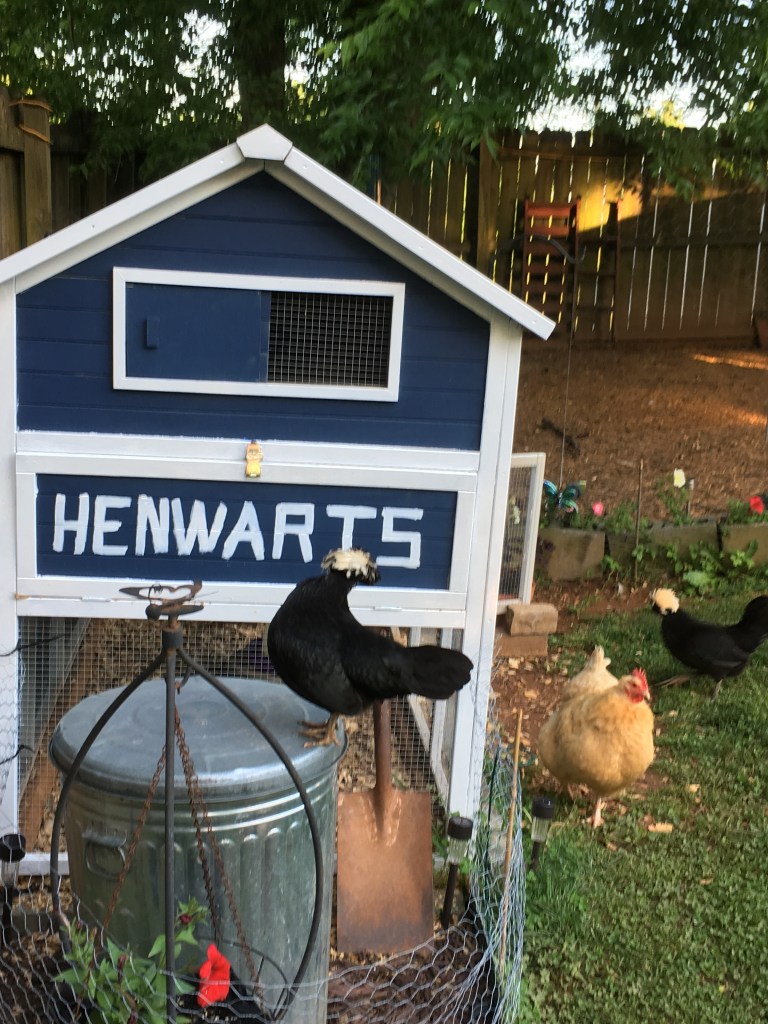
Athena: White Crested Polish Hen, perching on feed can outside of Henwarts.

Enigma and link roost in Henwarts. Henwarts is home to our white crested polish, silver lace polish and bantam cochin flock.

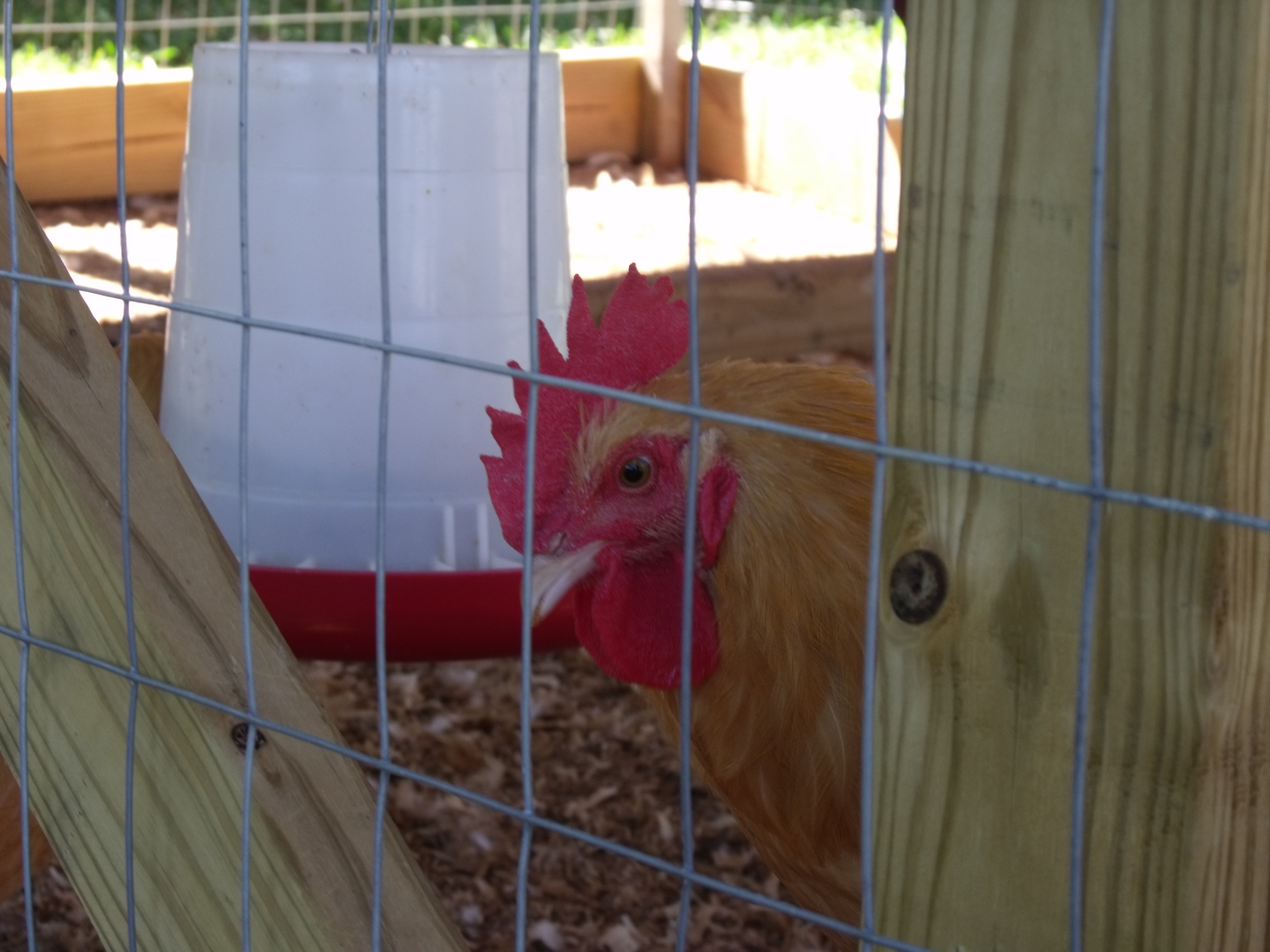
Enigma: is a Motted Cochin, he is the smallest and oldest of The Kuntry Klucker boys. At 7 years old, he is the senior rooster on the Farm. He is civil with Link but prefers to put distance between himself and Link while free ranging. He watches over the White Crested Polish hens that reside in Henwarts. Link: watches over the Silver Lace Polish and Bantam Cochin hens who also reside in Henwarts.
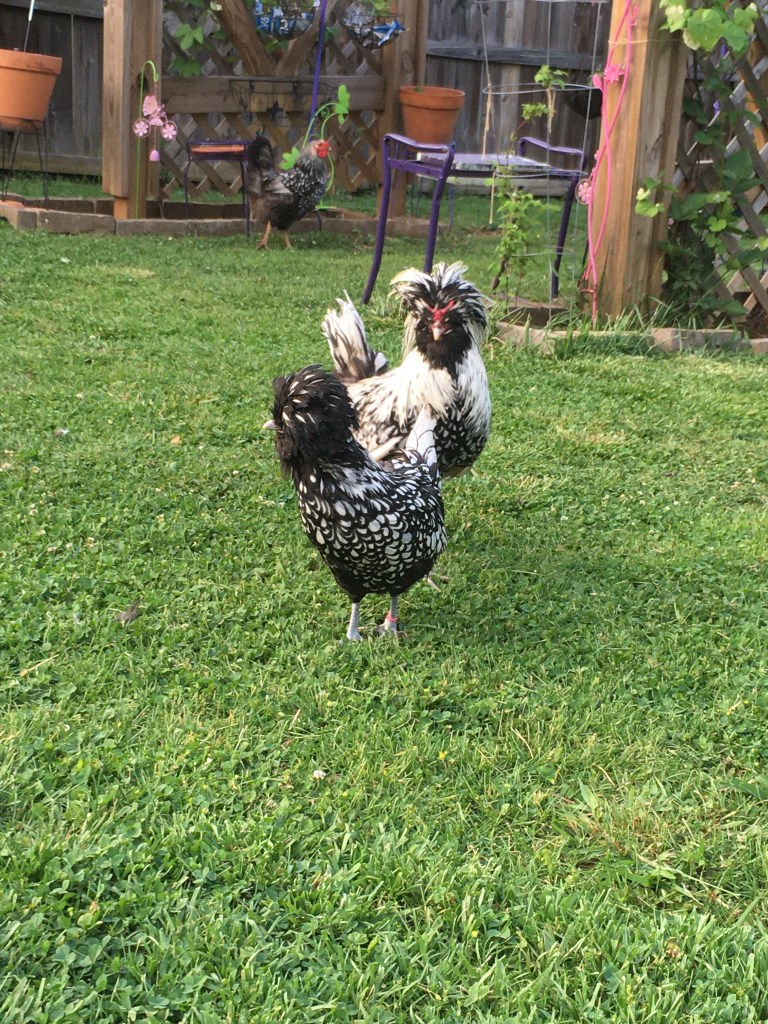
Link and Fi: Silver Lace Polish Hen and Rooster.

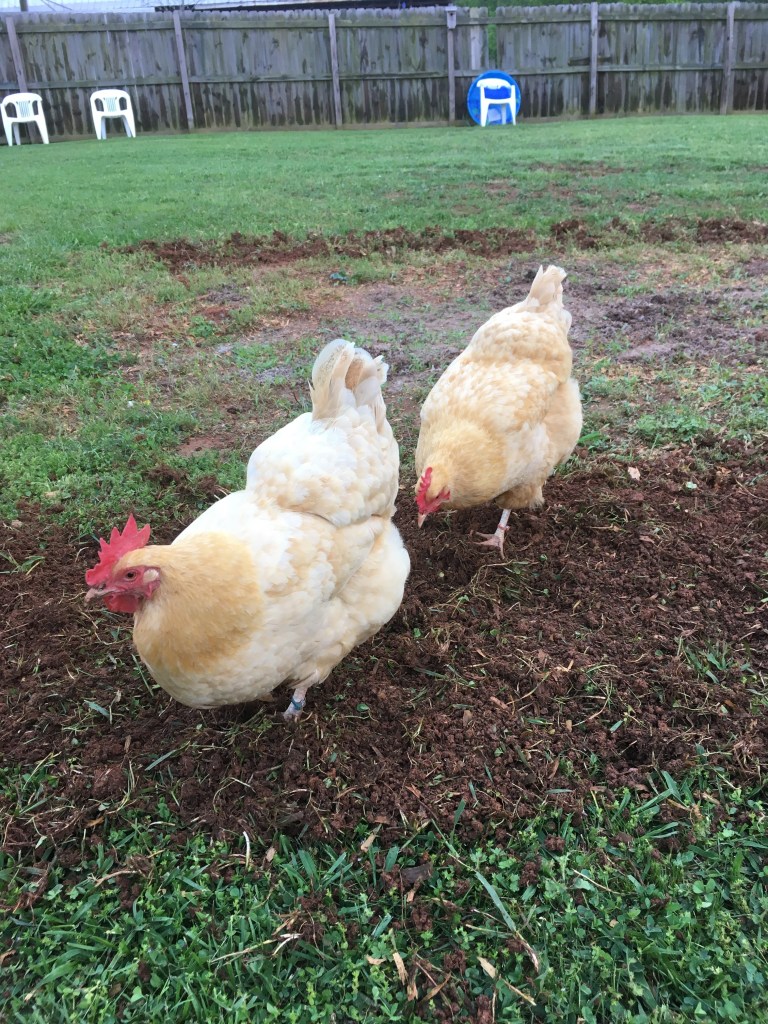
Additionally, Enigma has adopted a few of the Buff Orpington Hens that roost in the Kuntry Klucker. The Buff ladies are too big to roost in Henwarts thus, they reconvene while free ranging. Despite his small stature, he makes up for it with a big heart and lively personality.

Enigma watching over Aphrodite (White Crested Polish Hen) and the “golden girls” (Buff Orpington Hens).

Devros and Micky Smith:

IMG_4954
Devros and Micky Smither: (Silkie Roosters) looking after their Silkie hens.

Devros and Micky Smith: Devros and Micky Smith are our resident Silkie Roosters. This duo share responsibility of looking after the Silkie hens that live in the TARDIS. This duo are peas in a pod, they do everything together. If ever I have seen a rooster bromance, these two are it, never straying far from one another. As expected, there is no confrontations between these two gents, they are the best of friends.

Honorable Mention: I have a few other roosters that roam the Kuntry Klucker Farm. These boys do not necessarily lead a harem, rather they assist in other matters of flock maintenance. These boys roost with the TARDIS crew.

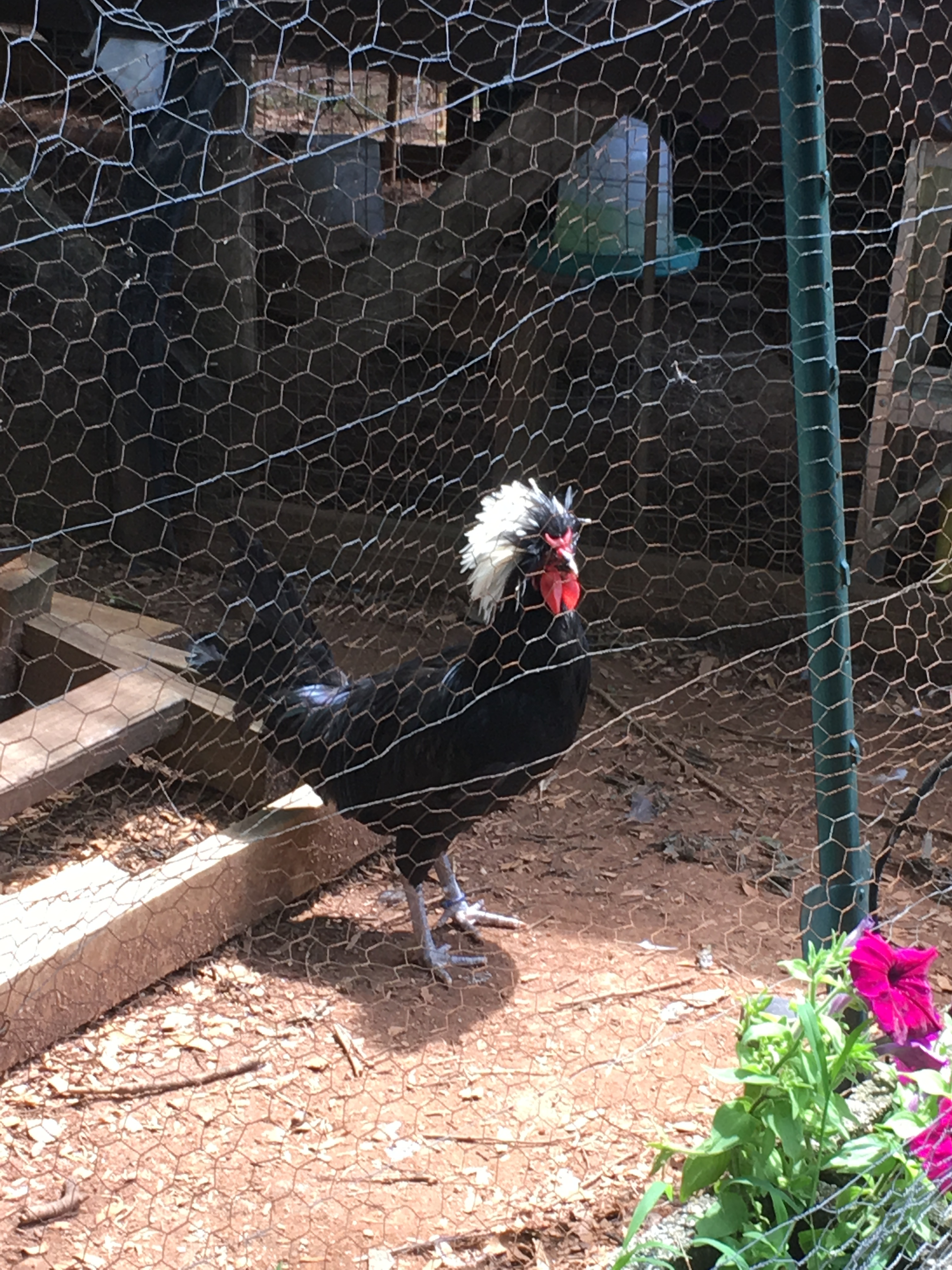
Pantaphobia: Pantaphobia is a White Crested Polish Rooster, as his name suggests, he is afraid of everything. He is our resident useless rooster, to read his unique story, click here.
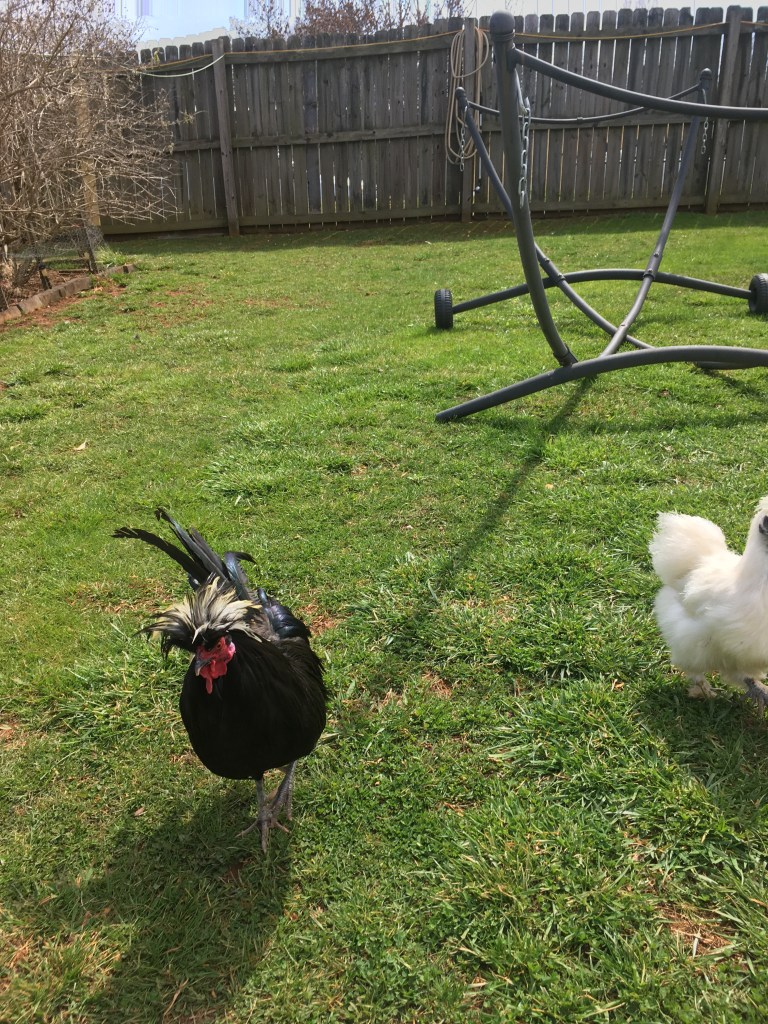
Pantaphobia: White Crested Polish Rooster

Supreme: Supreme is a Splash Silkie Rooster. Although not assigned a harem of hens, he assists Devros and Micky Smith with overseeing the Silkie hens.
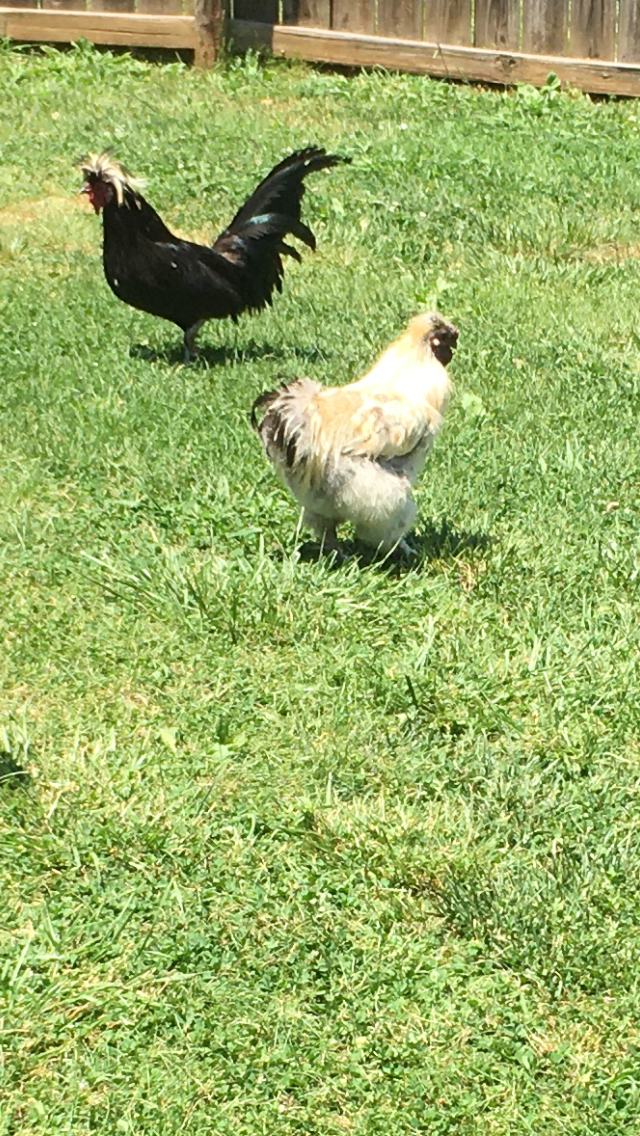
Pantaphobia and Supreme are another rooster duo that relish each other’s company. They can be seen browsing the yard together in search of delectables, be it bugs, worms or greens.

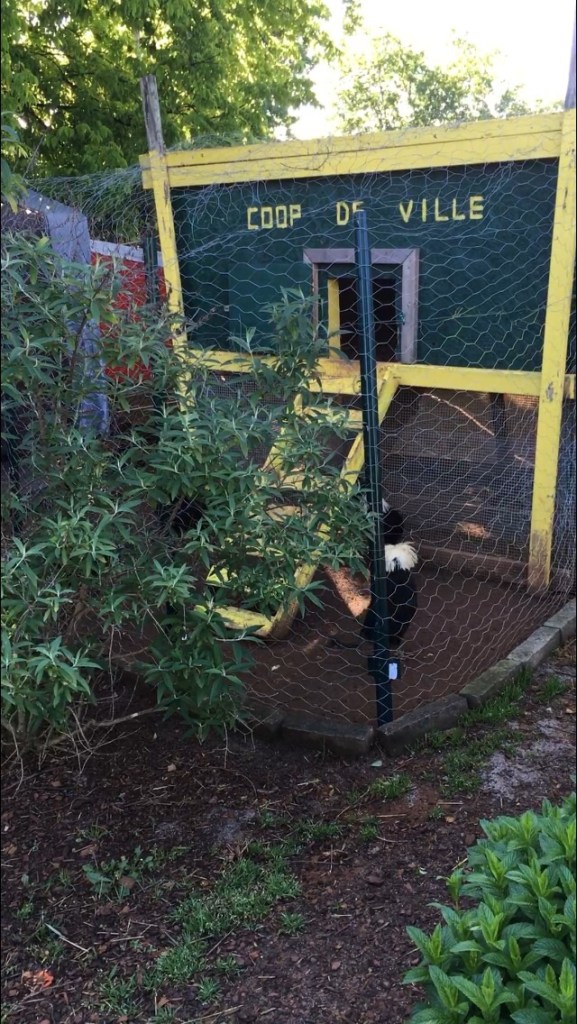
Bachelor Pen: If you have kept count, I am a few gents short of my quota of 13. The rest of my boys reside in a bachelor pen. The Coop De Ville is home to several White Crested Polish Breeding Roosters. These boys reside together in harmony. To see how I utilize a bachelor pen for roosters, please click here.

To successfully keep multiple roosters in your flock, several requirements need to be meet. I will list and explain these necessary prerequisites below.
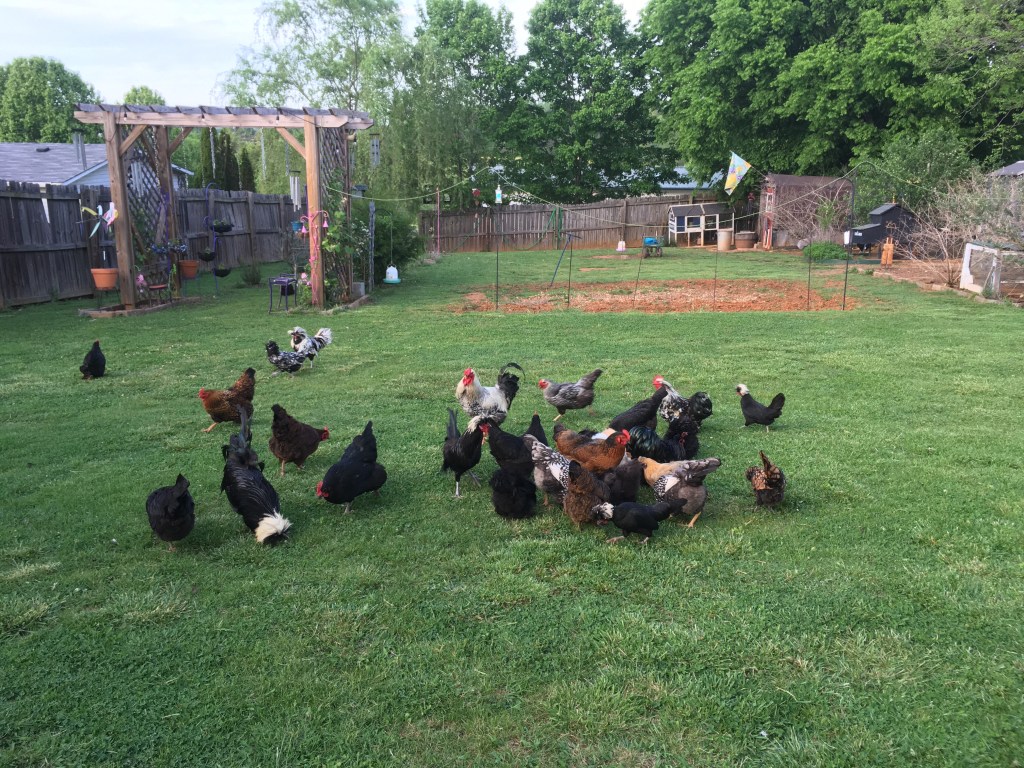
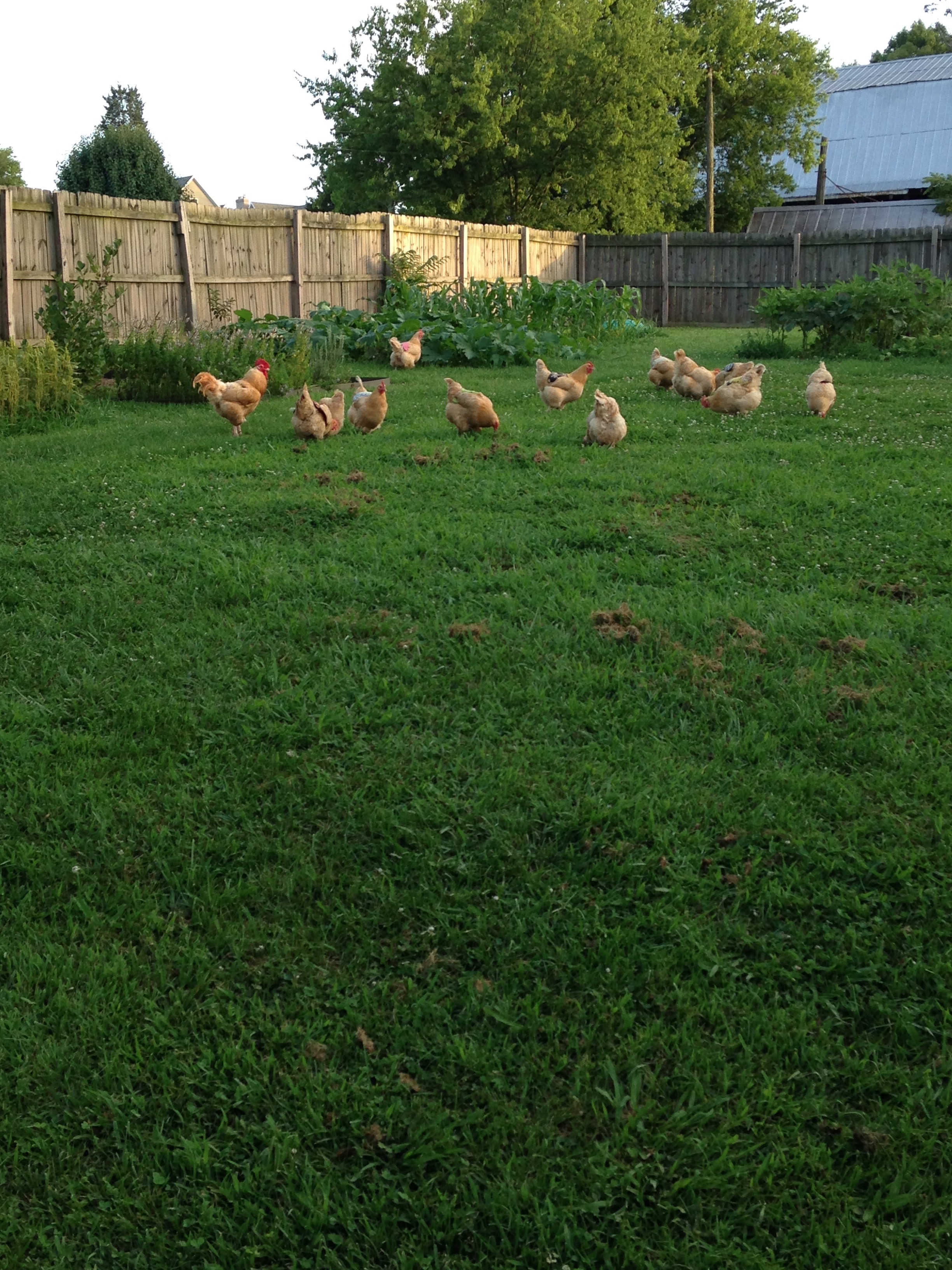
The Kuntry Klucker Farm flock grazing on a freshly cut lawn.
  1. Ample Space

The first thing to consider in keeping multiple roosters is space. Roosters, if several are present in a flock, will divide free ranging space into jurisdictions. Each rooster will look after a portion of the girls in “his” specified territory. Each rooster will know the boundaries of his dominion. If a gent member should step outside his bounds, a confrontation will ensue. To ensure that your roosters will live peacefully with one another, they must have ample space to roam.

The flock making their way to the garden shed for a handout of crached corn and scratch grains.

2. Several feeding and water stations

When free ranging, it is the job of a rooster to look for food for his ladies. He will actively hunt for bugs, seeds, or weeds for them to dine on. If his hunt turns up empty, he will lead them to the feeder and water. With each rooster leading a section of the hens, multiple feeding and watering stations are mandatory. If these resources are too few, the boys will fight over these necessities. Each of my coops have their own food and water. Additionally, I have other feed/water stations available in the yard. With amplest access to food and water, my boys live peacefully, made possible by adequate sustenance.

3. Sufficient number of hens

The roosters and hens will decide amongst themselves who belongs on which rooster team. For this to be possible, there needs to be enough hens to go around. It is typical for one rooster to manage and service anywhere from 6-10 hens individually. If there are not enough hens to divide amongst the boys, serious problems can arise.

If there are too many roosters for too few hens, the hens can become injured through over mating. The hens will be mated too often which can cause feather loss, wounds on her back, and other injuries by aggressive mating by too many roosters. If there are too few hens, fighting amongst the roosters will be more frequent as they compete for the hens.

To combat this problem, there are a few solutions that can be implemented. If you want to keep all your boys, you can establish a Bachelor Pen for excess roosters. This too is achieved through adequate flock maintenance. When done right, all members live peacefully in their bachelor digs.
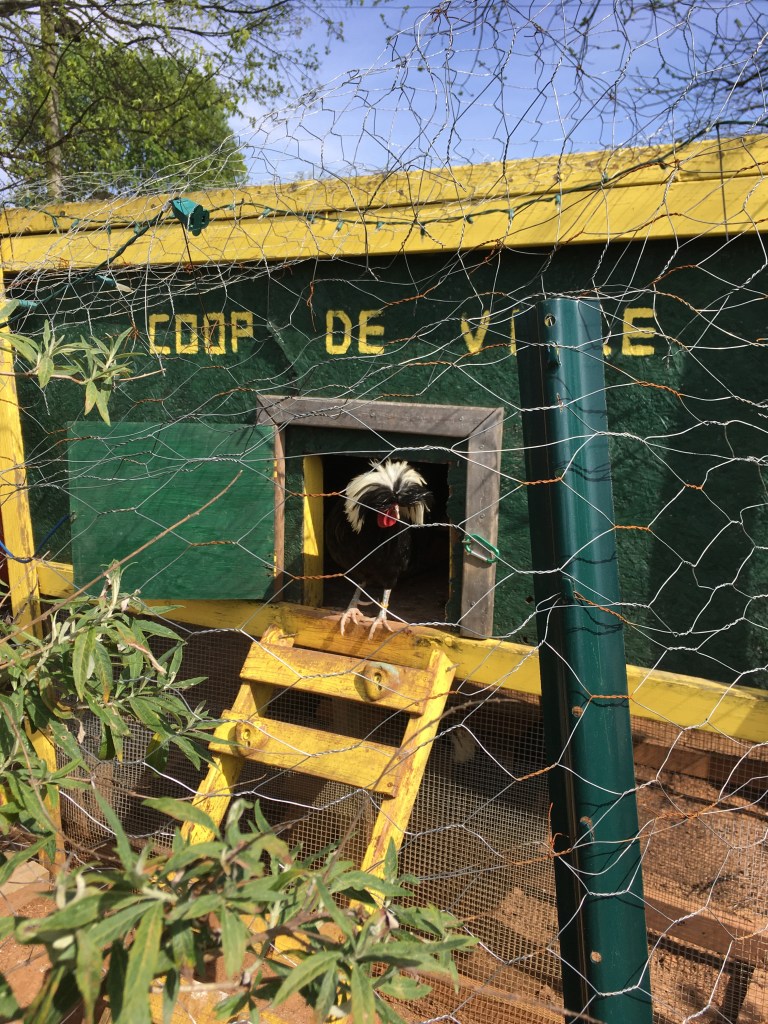
I hope that you have found this post helpful in managing roosters in your flock. If you live in the city, roosters are most likely not permitted. However, those that live in the county or country have more options when it comes to roosters.

I am of the persuasion that roosters are an amazing creature. I value them for the part they play in the social structure of a flock. In the past, I have sustained a span of several years where I did not have a rooster. During this time, I learned the true value of a rooster and the balance his presence brings to my flock.

Roosters are not the blood thirsty vicious creature of the past. When raised with care, they make a very admirable addition to the backyard setting.

If you have any questions about keeping multiple roosters, roosters, or chickens in general, feel free to leave a comment. You can also drop me a line at kuntryklucker@gmail.com

I am a published author, multi-disciplinary writer and blog contributor. If you like this post, please visit some of my other sites.

Knowledge of the Spheres – Exploring the Celestial Spheres!

Coffee and Coelophysis – A blog about Dinosaurs.

Chicken Math University – Adventures in Homeschooling.

If you liked this post, peck the subscribe button. As always, thanks for reading. Till next time, keep on crowing.

~ The Kuntry Klucker Crew ~

Bachelor Pens for Roosters

When faced with surplus roosters, many people panic, unsure what to do. They know of several options from days of old freezer camp (butchering surplus roosters), rehoming, or just hoping for the best. Might I suggest another approach. A bachelor pen.

The Coop De Ville is the bachelor pen on The Kuntry Klucker Farm. I have a passion for roosters and keep all roosters that I acquire. It is a mistake to assume that roosters cannot live together peacefully. Roosters are more than capable to cohabitate, but there are few gridlines to adhere to in order to achieve success.

In this post, I will detail how to successfully implement the use of a bachelor pen for excess roosters.

The Coop De Ville, bachelor pen. Pollux (White Crested Polish Rooster) greeting the day.

A rooster is a selfless creature, often sacrificing himself to save the lives of his girls. A fearless warrior with a heart of gold. Majestic and beautiful, a natural born singer who writes his own songs. A dancer, who loves to waltz for those he cares about. A true gentleman. And sadly, the most abused, unwanted, and forgotten of all the creatures.

cropped-dscf5185.jpg
Roy (Buff Orpington Rooster). My first gent and rooster teacher.

I love roosters, I value their role in a backyard flock as protectors and caretakers of my hens. I have found myself in the past without roosters, needing them desperately.

When I first started keeping chickens, I was terrified of roosters. I did not want one at any cost. I prayed and hoped that my batch of chicks were all females. As fate would have it, I had three roosters, I panicked! What was I going to do with all these roosters? I could maybe stomach keeping just one, but the rest had to go. After some time and hard work, I found homes for the other two, keeping just one, Roy.

Roy showed me another side of rooster I did not expect, my rooster teacher. I owe him a debt of gratitude. He was a gentleman with feathers, through him, I realized how wrong I was to fear roosters.

We often associate roosters as being aggressive, blood thirsty, nasty birds. We encountered these nightmare birds on our grandparents’ farm. In our grandparent’s day, chickens were kept a food, be it eggs or meat, an aggressive rooster was needed. These killer birds are categorized as game cocks by today’s breeding standards.

As the backyard chicken movement has exploded, breeders have responded, selecting for traits much for suited for the backyard or hobby farm setting. Behavioral traits such as calm, friendly, laid back and approachable. Gone are the days of the fearsom bird that roamed our grandparents farm, meet the roosters of today.

hiding behind the water

To my detriment, Roy passed on several year later due to illness. I was without a rooster for 5 years. Throughout the years, my girls over time to passed away. Till finally, I acquired more chicks. This time I was excited, as my chicks matured, some began to crow. I finally had roosters!! Now I have 13 roosters, a little more than what I was hoping for, but a surplus at last. I decided to keep all the boys, my solution, a Bachelor Pen.

Step to achieve a successful Bachelor Pen.

No access hens:

Roosters, when raised together are more cordial than you might expect. If raised together from chickhood, they can and do cohabitant together very well. A bachelor pen works if and only if, the residents have no access to the hens. This is pivotal to the success of housing roosters together. Roosters fight when presented with the need to achieve status, specifically in the presence of hens. Without access to hens, there is nothing to compete over. They can see the hens and the rest of the flock, but no contact can be permitted. This is the fundamental aspect of a bachelor pen. If the bachelor boys gain access to the hens, fighting and competition will ensue. Once bachelor residents engage in conflict, it is hard to reestablish peace.

Ample Space:

The Coop De Ville residnets preparing for the evening roost.

Besides no access to hen, the second key to a successful bachelor pen is ample room. The Coop De Ville has a covered pen and a large outdoor recreation access area. Allowing the boys to spread out, providing room for healthy natural activity such as dust bathing. The bachelor boys have access to fresh air, sunshine, worms and bugs, much like the free ranging flock. While in the outdoor run area, the bachelor residents can interact and engage with the flock but denied all contact.

Care for a Bachelor Pen:

Pollux (White Crested Polish Rooster) looking out the Coop De Ville’s (bachelor pen) window.

The care for a bachelor pen is the same as a coop with hens. The bachelor pen gets cleaned daily, supplied with fresh water, and feed. The only difference is that a bachelor coop/pen does not need laying boxes or nesting material. All other maintenance is the same. I service my bachelor pen residents as I do the primary flock. All bachelor boys get health checks and other regiments to maintain good health.

If you find yourself panicking because you have more roosters than you counted on, don’t freak out. It is not always possible to rehome extra roosters. In the early summer, the internet is flooded with unexpected spring roosters needing homes. Prepare a bachelor pen for them to live in. You don’t need to go to all the work of trying to franticly find a home or someone else to take him off your hands. Keep your boys, just put them in a separate coop/pen and enjoy the songs they sing for you.

Roosters are wonderful creatures, deserving much more than they are often dealt. You don’t have to get rid of your boys, the time may come when you will need a rooster. Whether for protection, predators or the need to populate your flock.

I hope that this post was helpful in offering another suggestion for excess roosters.

To see a video of my bachelor pens, visit my YouTube channel by clicking on the link https://www.youtube.com/watch?v=Vxwn5Y7fo7E

It is also possible to keep more than one rooster in your flock. To see how I manage more than one rooster in my flock with the hens please click here.

If you have any questions, feel free to post in the comment section. You can also drop me a line at kuntryklucker@gmail.com

I am a published author, multi-disciplinary writer and blog contributor. If you like this blog, please visit some of my other sites.

Knowledge of the Spheres – Exploring the Celestial Spheres.

Coffee and Coelophysis – A blog about dinosaurs!

Chicken Math University – Adventures in Homeschooling

If you liked this post, peck the subscribe button.

As always, thanks for reading. Till next time, keep on crowing!

~ The Kuntry Klucker Crew ~

Caster and Pollux (White Crested Polish Roosters) in the outdoor recreation area.

Can Backyard Chickens make you sick?

Hi everyone!! I hope your summer has been well and that you packed all the fun into it as humanly possible. I know I have been absent for a while; it’s been a busy summer. It’s funny how the summer months can turn an average functioning family into a frenzy. Well, that is what summer has been like for us, been busy with activities and of course keeping up what the girls, growing and harvesting season. With the majority of the gardens work behind me I wanted to take the time to touch on a subject that I have been asked by several of my followers. Can owning backyard chickens make you sick?

Earlier this month the CDC released an article/report that backyard chickens are responsible for salmonella outbreaks across the country. Sickening people even sending some to the hospital, but so far, no deaths have occurred, well that’s good. As fear ridding as this sounds, I want to take the time and put my two cents in and tell my side of the story as a backyard chicken keeper.

The long and short of it is Yes, backyard chickens can make you sick, but so can your cat, dog, and pet parrot. You see any animal that lays eggs carries the salmonella bacteria, this includes, pet turtles, snakes, bearded dragons, and of course backyard chickens. It is a bacterium that all egg laying animals/reptiles carry in their body. This is why it is advisable that one wash your hands good with soap and water after handling. It a pretty simple common-sense step to take to avoid illness after contact with pets that can carry the salmonella bacteria. Not that this gets your cat and dog off free and easy without incident. Cats and dogs especially if they are allowed to run free outside can also make you sick. They too can come into contact with pathogens that can be transmitted to you. So really your small flock of backyard chickens are no more dangerous to your health then fluffy or fido.

So why does the CDC single out backyard chickens? Well, I think that the answer is twofold. One, keeping backyard chickens has a direct impact on the factory farm producers of eggs and for some, meat for the table. When consumers take it upon themselves to have a say in where their food comes from the big factory farm producers take a big hit.

It does not help their matters that the backyard chicken movement has exploded by leaps and bounds. Keeping backyard chickens is no more common than a family having a dog roaming the backyard. Even cities have passed laws to allow residents to keep a small number of hens in the small plots behind their homes. It’s a movement that is growing every year which is one reason why people like me who blog about backyard chickens are seeing a huge increase in readers. Potential keepers are seeking out information on how to care and sustain a small backyard flock, this is where people like me come into play.

Secondly, I think part of the problem is that people are cuddling their chickens like they would a cat or dog and inadvertently getting sick in the process. The CDC is right when they state that you should not kiss your pet chickens or allow young kids to hold chicks. This is because young children have an increased risk of putting their hands in their mouths after interacting with chicks. But this same rule can be applied to any pet, not just backyard chickens.

So, what is my stance you may be asking? Well to put it simply, wash your hands! I have been a keeper of backyard chickens for almost 10 years now, I have never become sick due to handling or having contact with my flock. The only chicken I have contracted illness from and took ill was from chicken that I ordered at a restaurant.

IMG_1470

My girls have never made me sick in anyway or caused any ill effect in the entire time I have been keeping chickens. Protecting yourself and your family from illness takes nothing more than a commonsense approach. Whenever I come inside from interacting the girls the first thing, I do is wash my hands well with soap and water. I don’t need to submerge myself in alcohol or bleach, a simple thorough hand washing is all that is needed. Additionally, I only wear my “coop” cloths into the backyard when interacting with my girls. Not only is this just a good common-sense move, but it also keeps me from getting my nice cloths dirty. Chickens can be messy so I would not want to wear nice cloths to the backyard anyway. So, wearing clothes that I don’t mind getting dirty that I wear nowhere else and take off and put directly in the washer after coming inside is nothing more than common sense.

So, as you can see just taking simple steps after spending time with the girls is all that is needed. One need not be afraid to own or handle backyard chickens because all that is needed to protect yourself a simple act of washing your hands well after contact.

Now, as far as kissing backyard chickens this is probably advice well worth taken. I love my girls, but I never kiss them for several reasons. Chickens are very interested in human eyeballs, they look like treats to them, I cannot tell you how many times I have seen pics of people on Facebook after getting pecked in the eye by their chicken. It hurts and, in some cases, and cause irreversible damage. So, to keep my eyes safe I keep my face well out of the way of the curiosity of a chicken. It just makes perfect sense.

Secondly, kissing your chicken can be hazardous for your health. I know that a lot of people do, but the line stops there for me. I will tell my girls how much a love them and how pretty they are, but my lips are never laid on them. They live outside bathe in dirt and can carry some pathogens on their feathers that I would rather not have in my mouth. So, my love line stops there, I do not kiss my birds. So, yes, backyard chickens can make you sick but the routes to avoid this are very simple and only require soap, water, and facial/eyeball distance.

IMG_1830

So, enjoy your backyard birds just make sure to wash your hands and keep your eyes and lips away from their curious beaks. If you practice good hygienic commonsense, you will have a very happy relationship with your girls enjoying all the benefits of having backyard chickens.

I am a published author, multi-disciplinary writer and blog contributor. If you like this blog, please visit some of my other sites.

Coffee and Coelophysis – A blog about dinosaurs!

Chicken Math University – Adventures in Homeschooling.

Knowledge of the Spheres – Exploring the Celestial Spheres.

If you liked this post, peck the subscribe button.

As always, thanks for reading. Till next time, keep on crowing.

~ The Kuntry Klucker Crew ~

IMG_1838