Always greet the day with anticipation. Many great delicacies await.
2. Simplicity and a thankful heart are some of life’s greatest virtues.
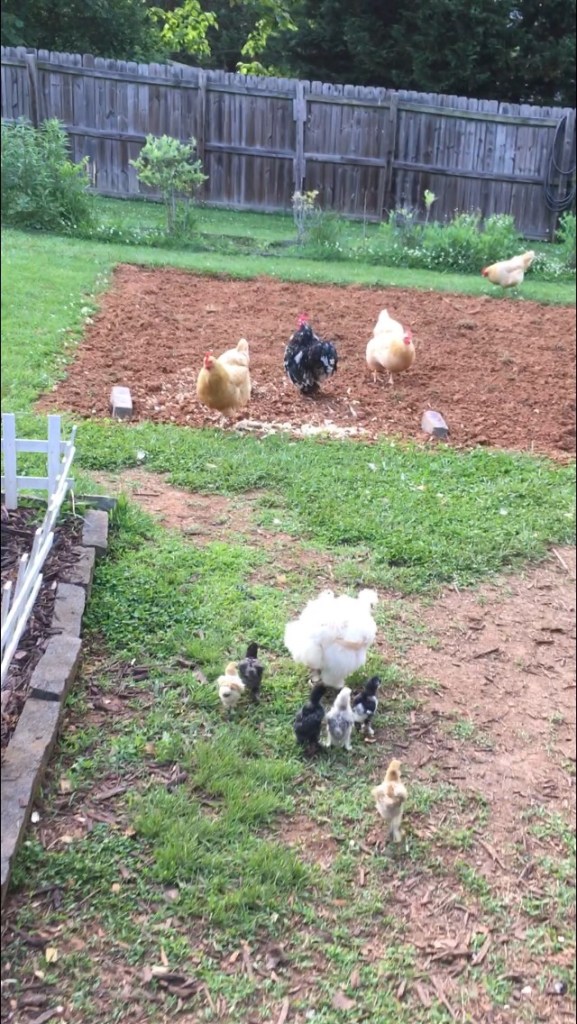
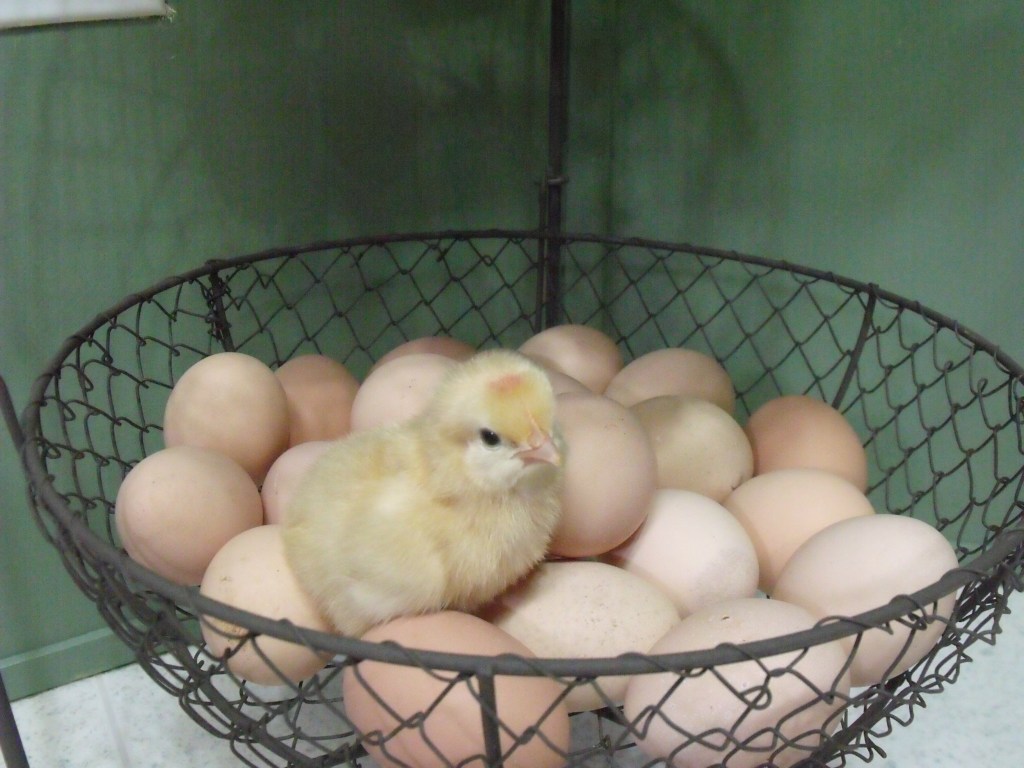
3. Bring up your young well. They are the next generation, and the key to your legacy.
4. When getting into mischief always make sure you have a buddy. Partners in crime always have more fun.
5. Make sure that you leave a little something for those who care about you. Giving is always better than recieving.
6. Try to appreciate the season of winter. Although bleak, it prepares the ground for spring flowers and other delectables.
7. Tend your gardens well. A well groomed garden makes the heart sing.
8. Choose your flock wisely, they will be your groupies for life.
9. Make time for friends. Friends make the heart happy.
10. Above all, be like butterflies, they hold the key to true freedom.
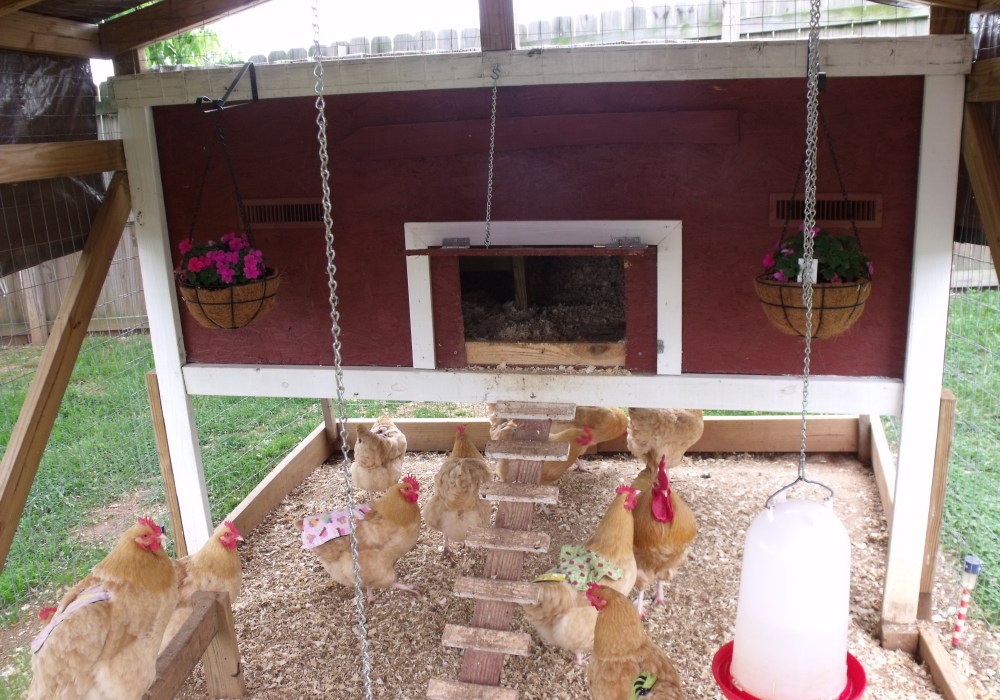
Hens can teach you so much about the simple pleasures of life. They are simple creatures that require little. They are happiest when they are allowed to do what nature intended them to do.
I hope you enjoyed this lesson on the simple pleasures of hens. They can teach us many things if we just take the time to watch and learn.
I am a published author, multi-disciplinary writer, and web content creator. If you like this post, please visit my writing portfolio or other blogs.
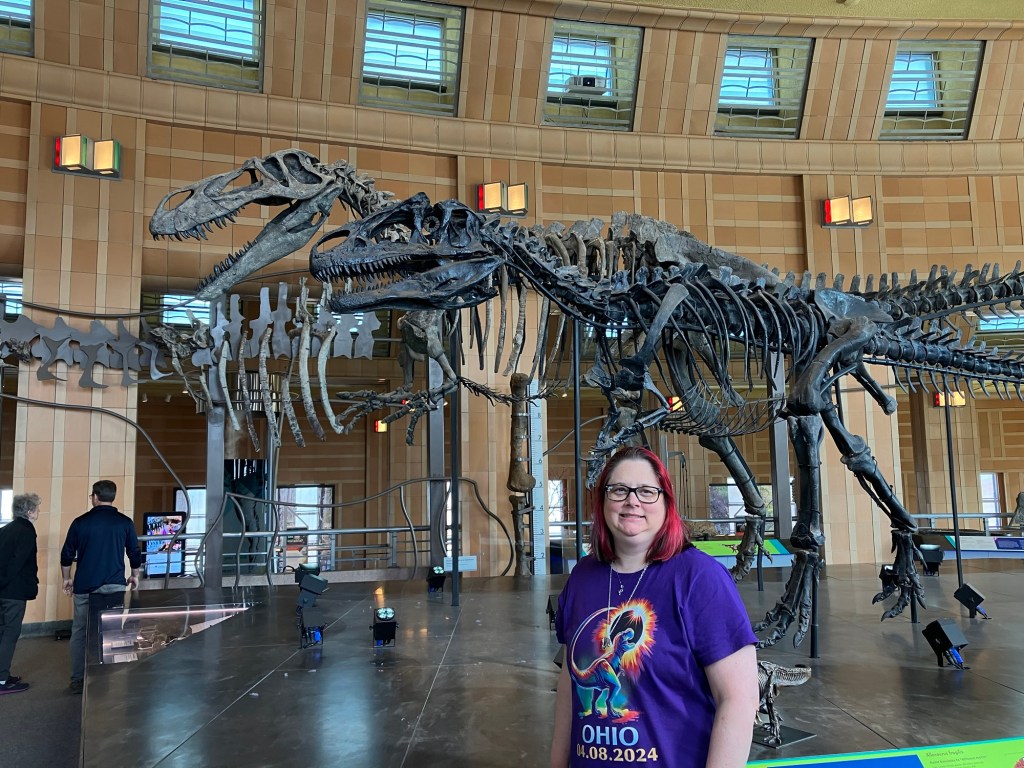
Me observing the eclipse at the Cincinnati Natural History Museum.
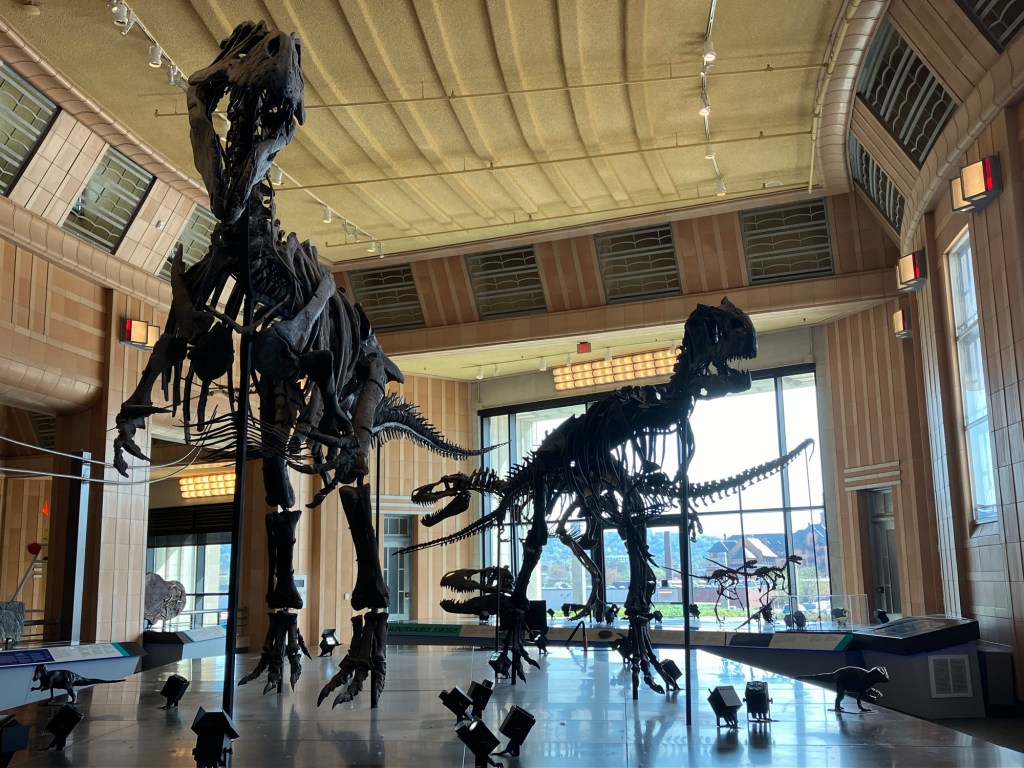
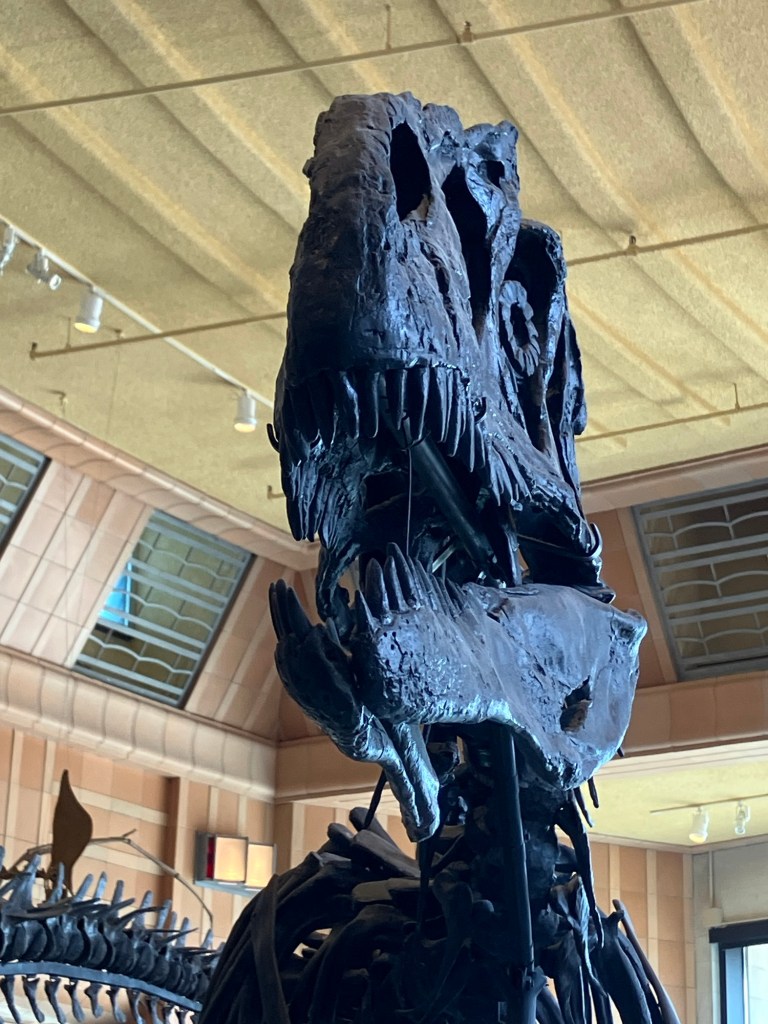
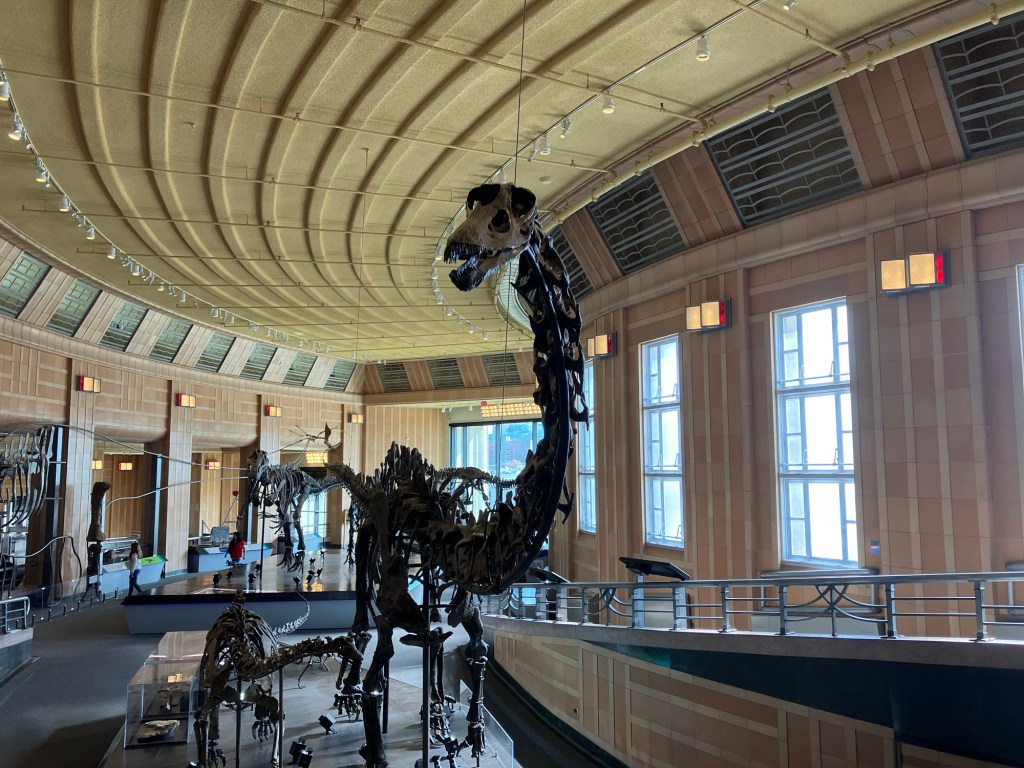
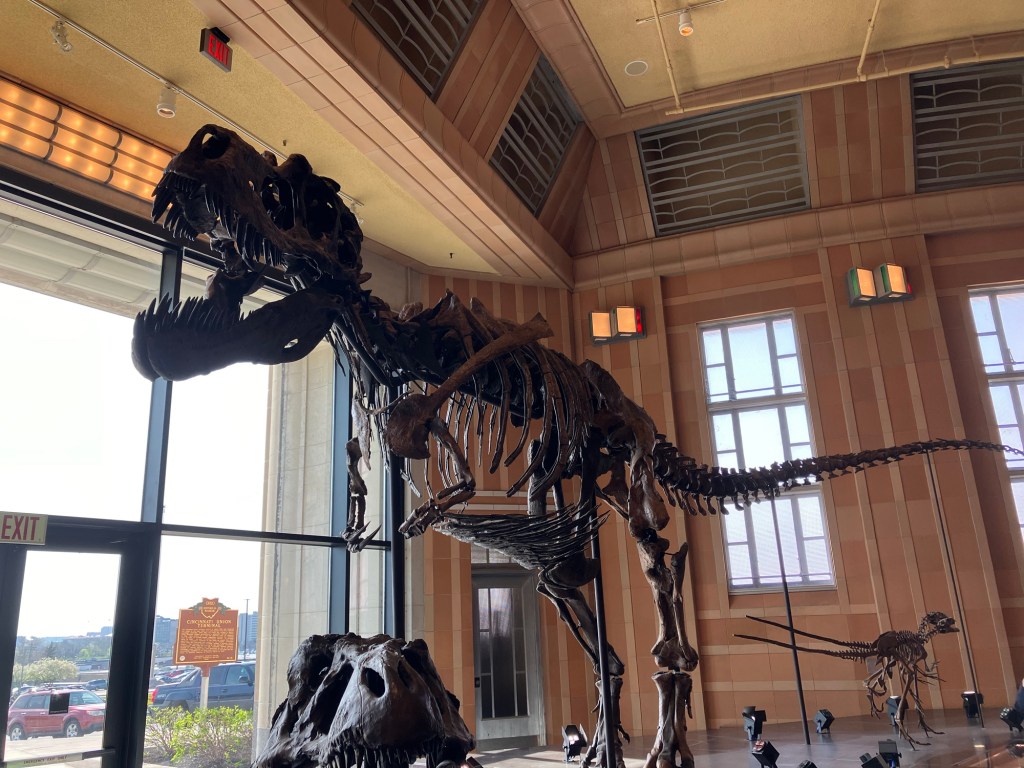
On April 8, 2024, the United States was in the path of totality of a Solar Eclipse. I recorded the flock’s reaction with a time-lapse camera and the eclipse with a Celestron telescope and Canon camera. Due to my location, I am just outside the path of totality; for better observation conditions, I traveled to Cincinnati, Ohio, and recorded the eclipse at the Cincinnati Natural History Museum. While there, I took in the museum’s dinosaur wing and captured some images of the Mesozoic ancestors of my backyard theropods.
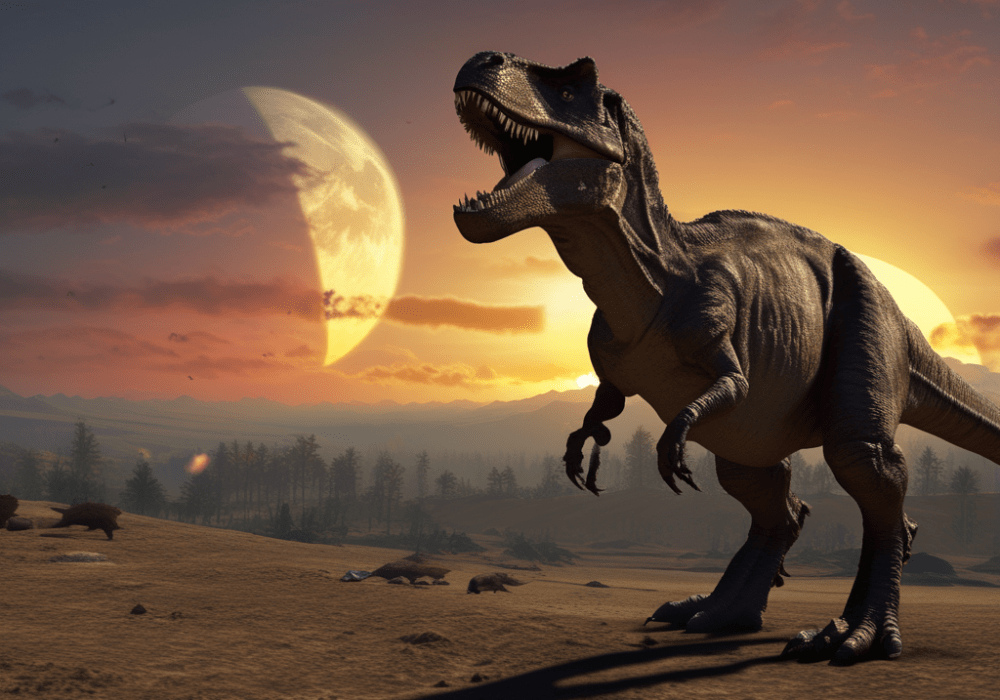
Daspletosaurus and Tyrannosaurs Rex display at Cincinnati Museum Center. Daspletosaurus-Jurassic ancestor of Cretaceous apex predator T-rex-the blood of these dinosaurs’ pumps through the veins of my backyardflock.
While this blog is about raising and caring for backyard chickens, given the notoriety of the celestial event, observing the flock’s reaction to the solar eclipse is fascinating.
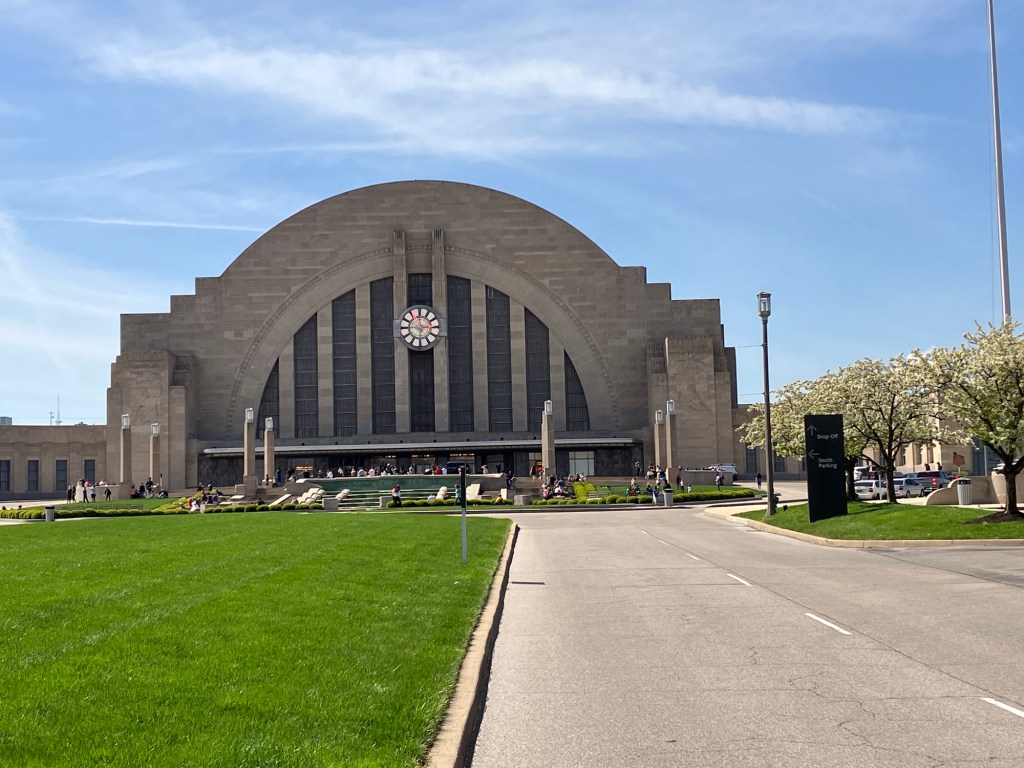
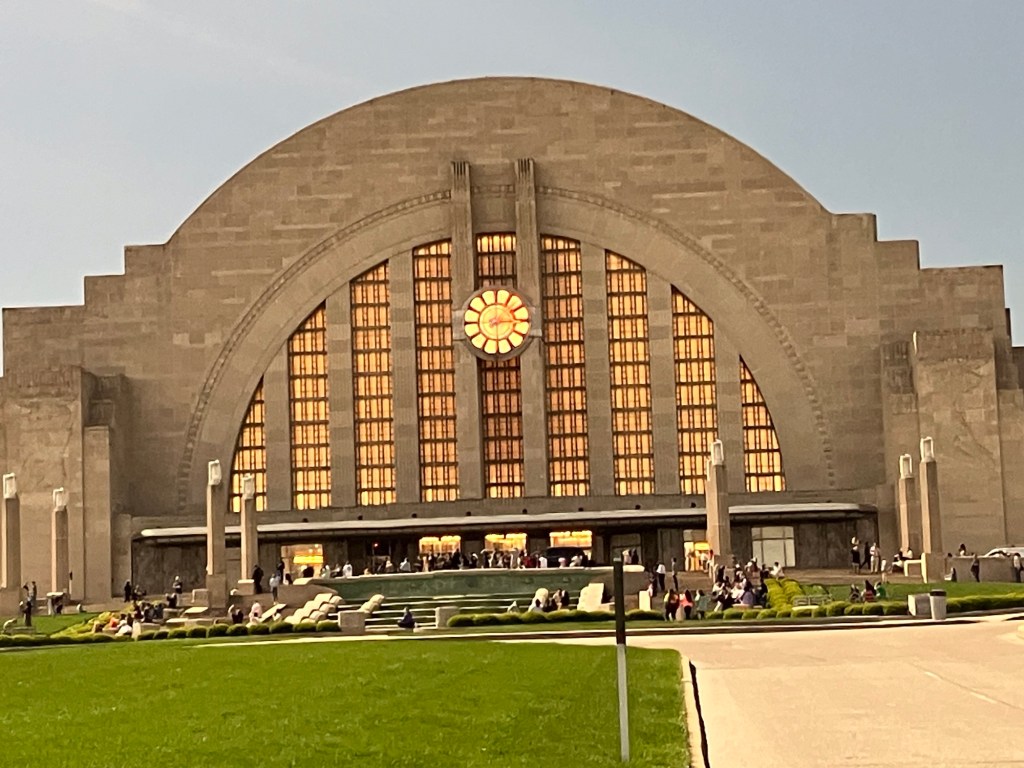
Image Credit: Noelle K. Moser.Cincinnati Natural History MuseumCenter prior to the onset of the solar eclipse.
Before leaving, I set up a time-lapse camera in the backyard to capture the flock’s behavior as the sun, blocked by the moon, darkened the land below. Like all birds, the behavior of the Klucker Crew is predictable but fascinating to witness, nonetheless.
As I was in two places at once, I will pair my observation and progression of the eclipse with the reactions of the flock for this post. As chickens are diurnal creatures and associate the waning of sunlight with nature’s ques to begin roosting, the flock demonstrated these behaviors only to be caught off guard during midday.
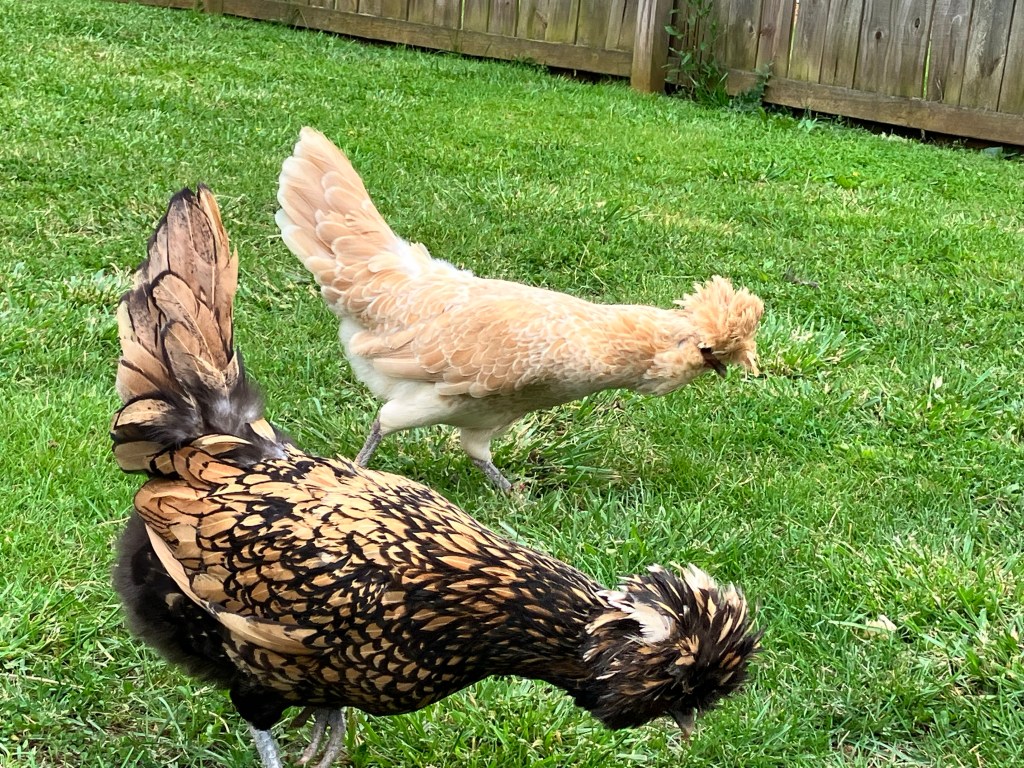
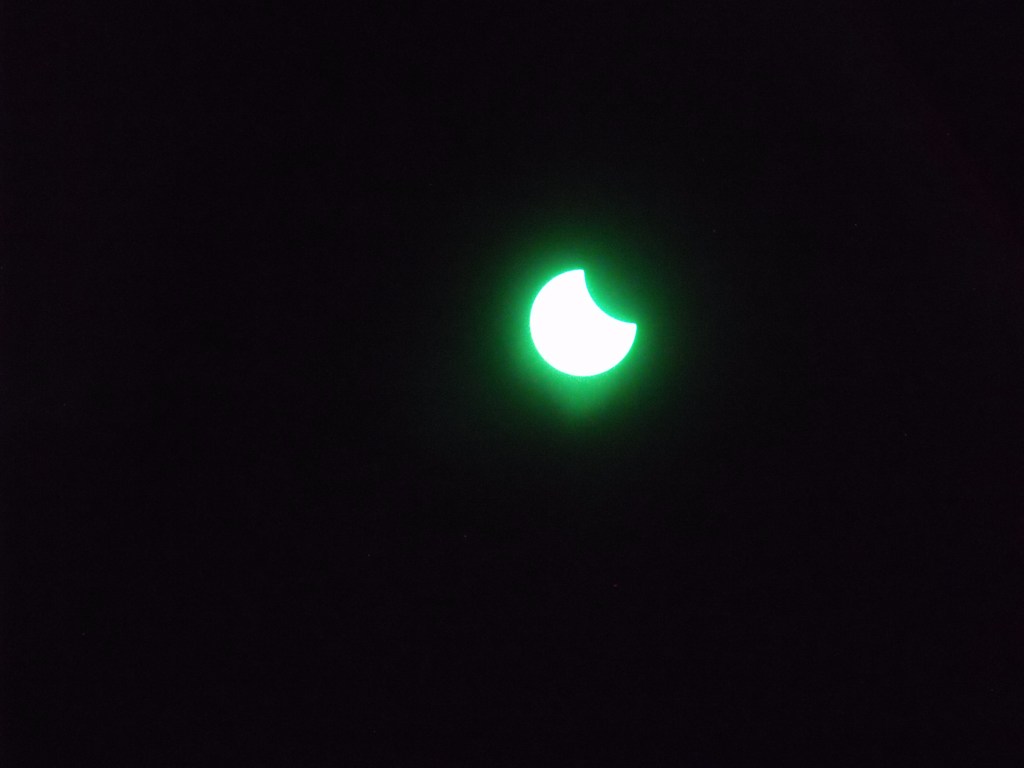
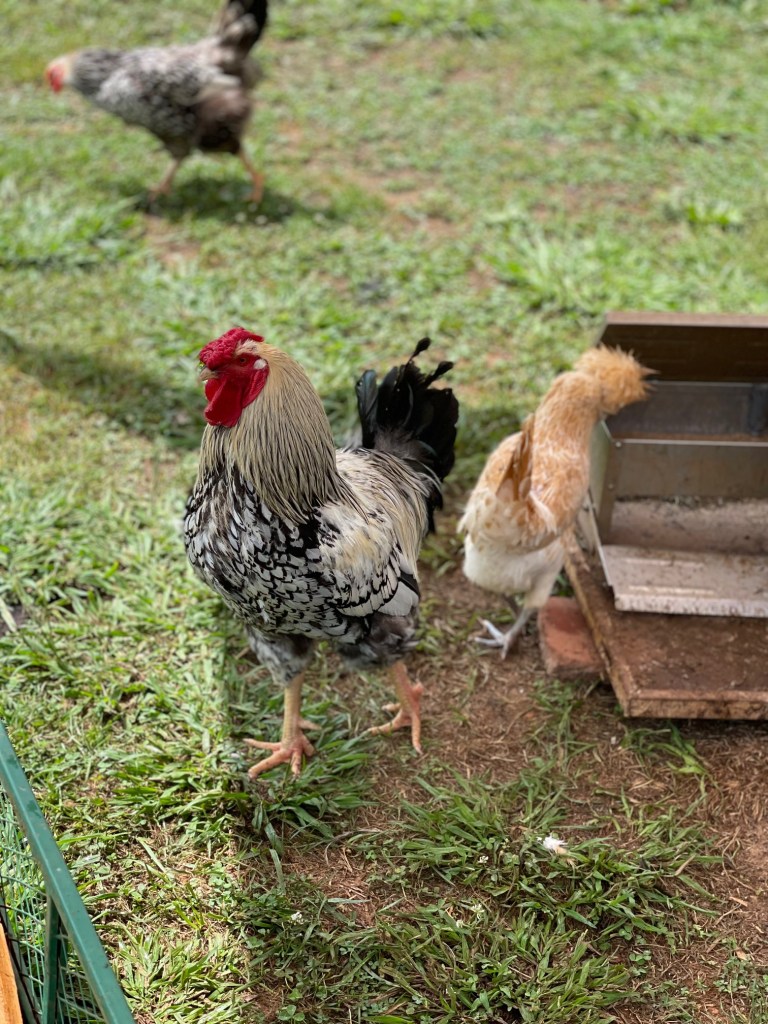
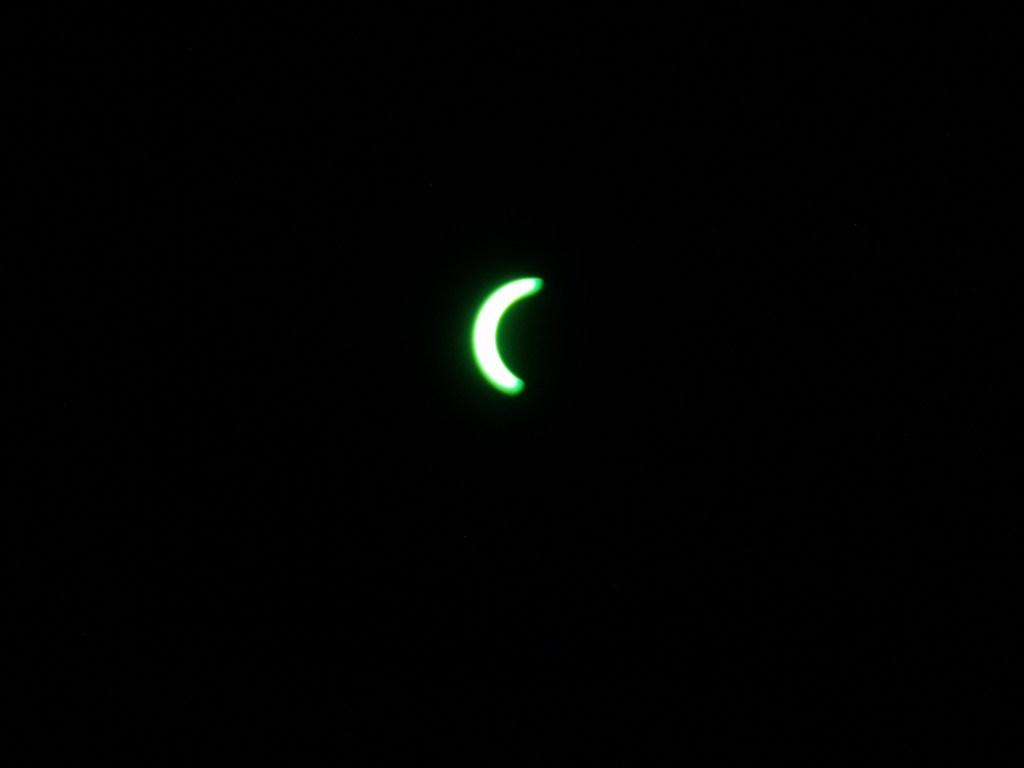
Image at inception of the eclipse taken with Celestron refracting telescope with solar filter. Image of eclipse captured with Canon T7i 19-250mm Lense with solar filter.Smaug (Silver Lace Wyandotte Rooster) and Brian (Buff Lace Polish hen) eating at the feeder at the onset of the eclipse.
As the first signs of the moon moving in front of the sun began, activity in the backyard was routine. Occupying their time with hunting and pecking, the flock is blissfully unaware that something spectacular is about to unfold above their heads.
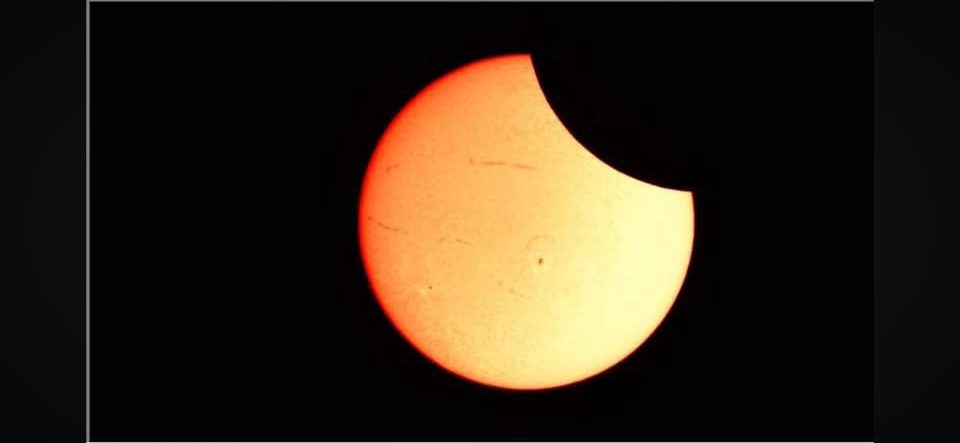
Image taken with Celestron Refracting Telescope with solar filter.Image of eclipse captured with Canon T7i 19-250mm Lense with solar filter.
As the moon traversed more of the sun’s disk, the land below became transformed by the hint of waning sunlight. At this point in the eclipse process, the anticipative effects became apparent.
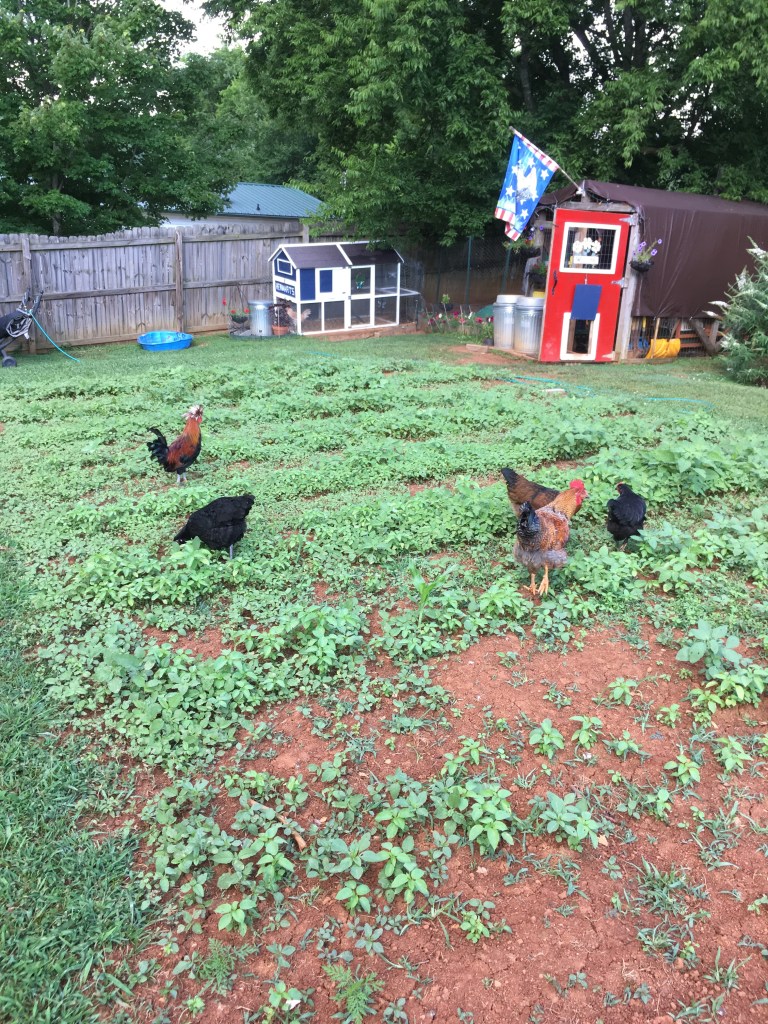
Back on the farm, as the sky slowly darkened, the flock noticed the early evening waning sunlight. Continuing to graze without sense of urgency, the flock slowly approached the pen.
Image taken with Celestron Refracting Telescope with solar filter.Image of eclipse captured with Canon T7i 19-250mm Lense with solar filter.Image of eclipse captured with Canon T7i 19-250mm Lense with solar filter.
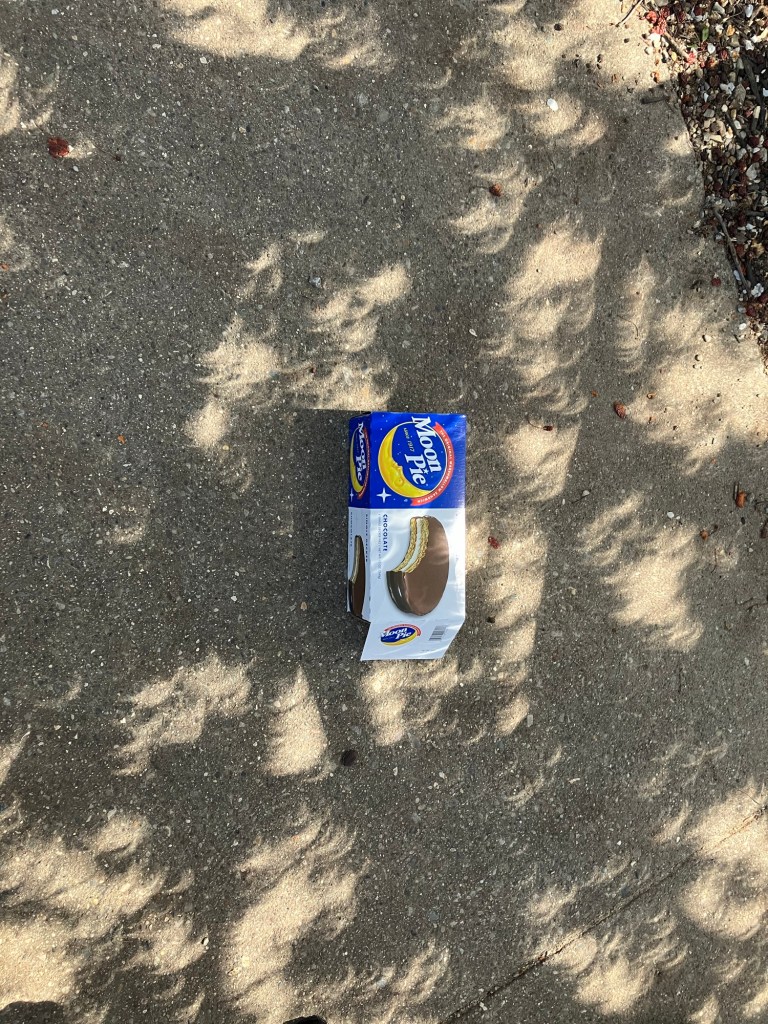
As the eclipse approached totality, the landscape was transformed into a mural of twilight. On the ground crescent shaped shadows filtered through the leaves of a tree near my observation location at the Cincinnati Museum Center.
Crescent shaped shadows from the eclipse sun filtering through the leaves of a tree surrounding a Moon pie box, my snack of choice during eclipse observing.
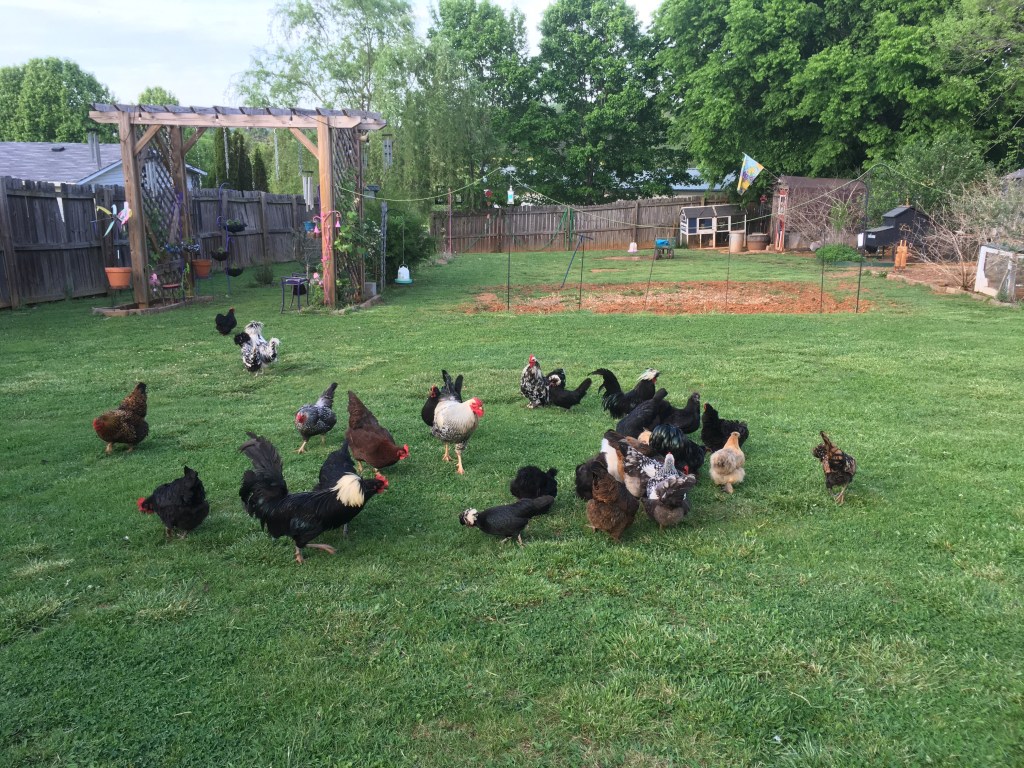
As the sky above the Kuntry Klucker darkened, the solar lights on my grape arbor turned on, and the flock members stranded in the yard found themselves in the panorama of momentary darkness and confused before the sunlight returned as fast as it had receded.
Below are stills from a time-lapse camera in the pen recording the flock’s reaction to the eclipse. The camera shows that it got dark for a few moments, but not long enough for the flock to make their way up the ladder to the coop. Instead, they froze in place as sudden momentary darkness fell, only to be subsumed into increasing daylight.
The flock’s response was dumbfounded confusion as evening came on suddenly, not giving them much time to react. I hoped they would go to roost to have the sunlight return, rendering their efforts mute. Although I did not get the pics I anticipated, I captured some stunning images of the celestial event. Below is a chronological order of the eclipse as the moon traversed the sun.
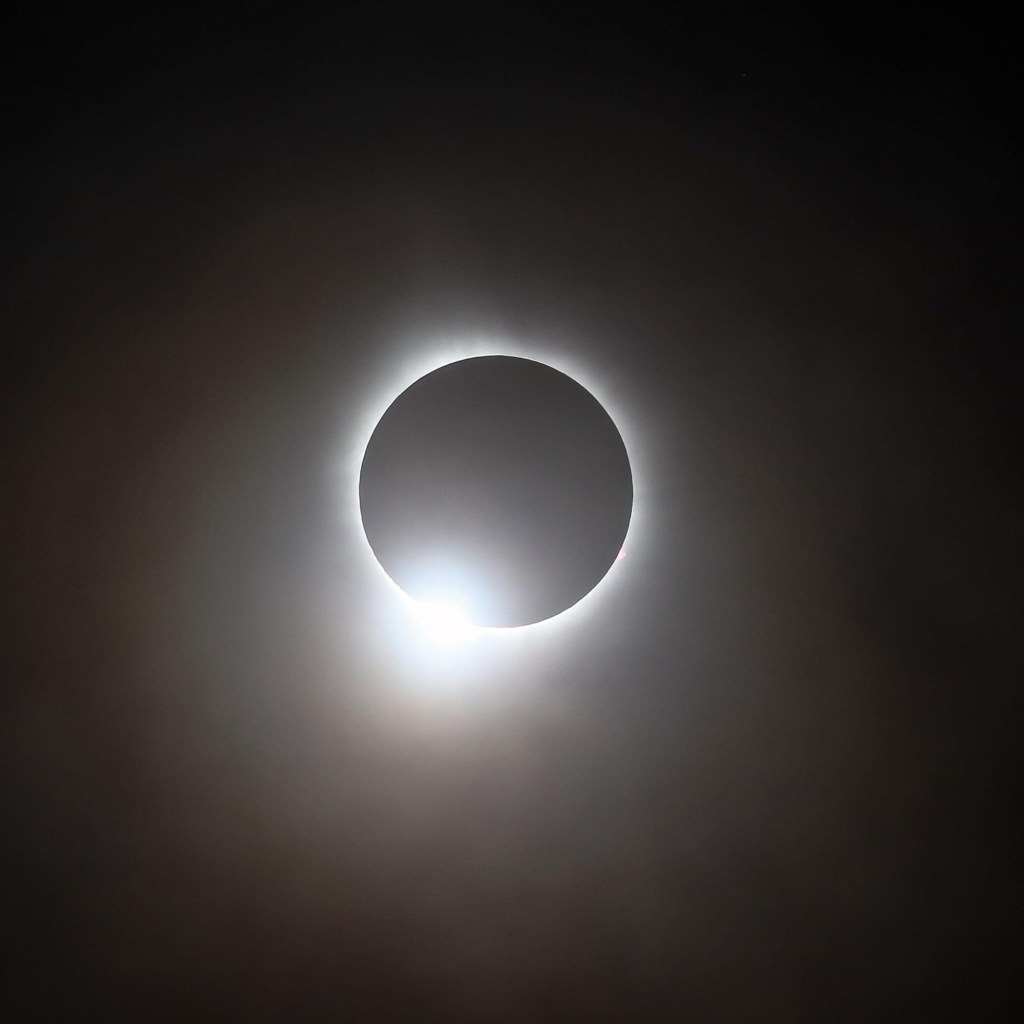
At the Cincinnati Museum Center, the darkened sun yielded incredible photos of the landscape during the fleeting period of totality, allowing me several seconds of naked-eye observing.
Cincinnati Museum Center at the inception of the eclipse.Cincinnati Museum Center illuminated by indoor lighting at the peak of totality.Diamond ring eclipse taken with Celestron Refracting Telescope.
This solar eclipse was an incredible celestial event that I am glad I had a chance to observe. While the flock’s reaction was subdued – due to the diminished totality and location at home – the images I captured in Cincinnati are incredible.
Below is a slideshow of the dinosaurs on display. Noteworthy, and one of the reasons I chose this location is the only mounted Torvosaurus in the world is at the Cincinnati Museum Center.
I am a published author, multi-disciplinary writer, and web content creator. If you like this post, please visit my online writing portfolio and my other blogs.

 3. Bring up your young well. They are the next generation, and the key to your legacy.























 The Kuntry Klucker